
How to Design and Construct Membrane Keypad
Best Membrane Keypad Manufacturer and Exporter

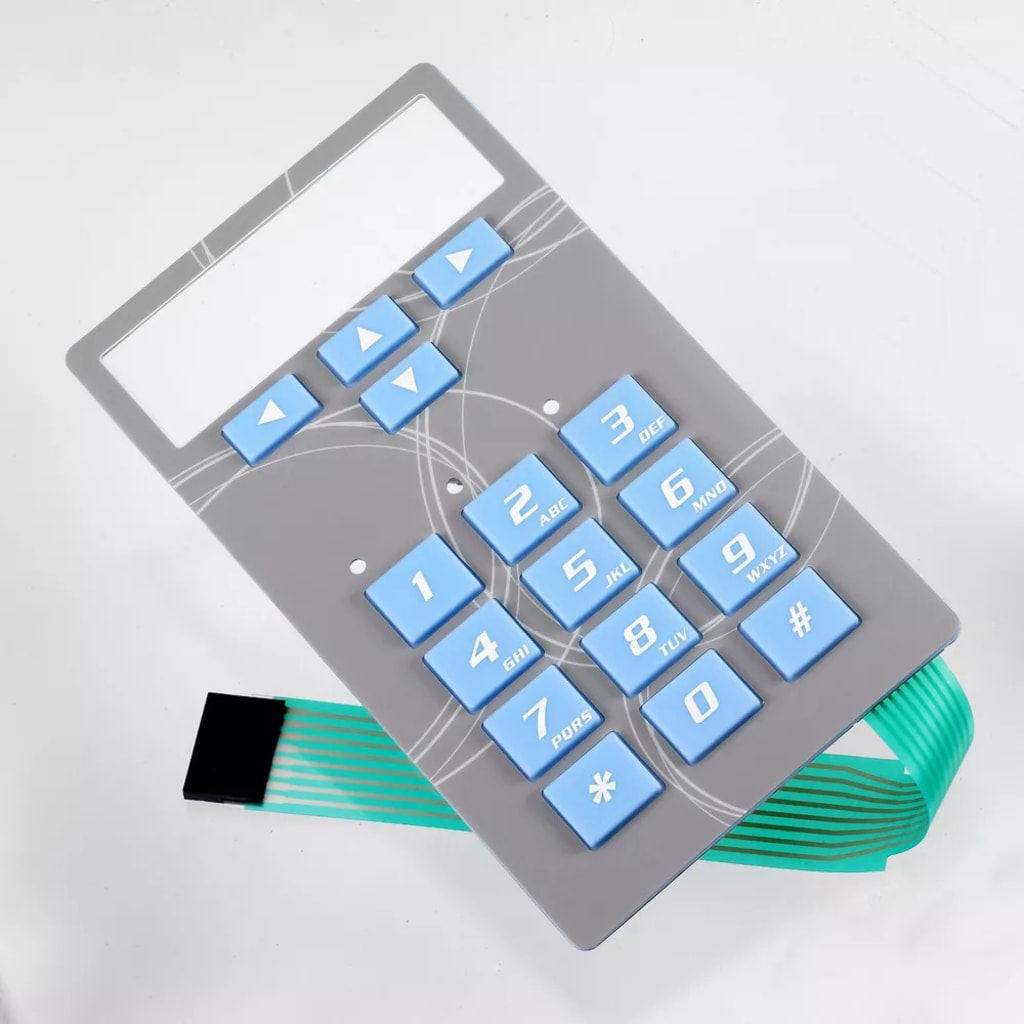
Designing and constructing a membrane keypad involves several key steps to ensure that the final product meets the desired specifications in terms of functionality, aesthetics, and durability. Here is a brief overview of the process:
1. Define Design Requirements:
• User Interface Layout: Establish the plan and also positioning of buttons, switches, as well as indications on the keypad. Consider ergonomic aspects as well as individual choices for ease of use.
• Environmental Considerations: Determine the ecological problems the keypad will certainly be subjected to, such as temperature extremes, dampness, chemicals, or UV radiation. These factors will affect product option.
• Feedback and Aesthetics: Choose whether the keypad needs to offer tactile responses (click or push experience) and if visual signs like backlighting or texturing are needed for customer complete satisfaction and also aesthetic appeals.
2. Material Selection:
• Overlay Material: Choose a suitable product for the top layer (overlay) of the keypad. Usual options consist of polyester, polycarbonate, or silicone rubber. The selection depends on aspects like flexibility, longevity, as well as resistance to chemicals.
• Spacer Layer: Select a dielectric product for the spacer layer that separates the overlay from the circuit layer. This layer avoids unexpected keypresses and influences the keypad's tactile feel.
• Circuit Layer: Select the sort of conductive product for the circuit layer, such as silver or copper ink. The product selection influences the electrical efficiency as well as life expectancy of the keypad.
3. Graphic Design:
• Produce a style for the keypad's graphic overlay layer, including button tags, symbols, and also any branding elements. Guarantee that the graphics are clear, clear, as well as aesthetically appealing.
• Consider any embossing or texturing for tactile feedback or aesthetic objectives.
4. Manufacturing Process:
• Screen Printing: Use screen printing to use the graphics, icons, as well as button labels to the overlay layer. Top notch printing makes sure sharp as well as durable graphics.
• Die-Cutting: Exactly reduce the overlay layer to the preferred sizes and shape. Die-cutting ensures harmony and precision.
• Assembly: Layer the materials (overlay, spacer, as well as circuit layers) with each other and bond them making use of pressure-sensitive adhesives or various other appropriate techniques.
5. Tactile Feedback (Optional):
• If responsive responses is preferred, consider including steel domes or elastomeric materials underneath the buttons. Steel domes offer a recognizable "click" when pushed, boosting the individual experience.
6. Backlighting (Optional):
• If backlighting is needed, incorporate LEDs right into the layout. Make certain that light is uniformly dispersed to supply consistent illumination throughout the keypad.
7. Environmental Sealing:
• If the keypad will be exposed to extreme ecological conditions, apply a protective finishing or secure the edges to prevent dampness or contaminants from getting in the keypad's layers.
8. Quality Control:
• Conduct quality control examinations to make sure that the keypad meets layout specifications and practical demands. This may include testing for electric connection, switch actuation pressure, as well as environmental resistance.
9. Prototyping and Testing:
• Before automation, develop a prototype to confirm that the keypad operates correctly and also meets style expectations. Examining ought to consist of capability, resilience, and visual look.
10. Mass Production:
• Once the prototype is approved, proceed with automation. Large manufacturing procedures, such as screen printing and also die-cutting, are employed to create numerous keypads effectively.
11. Integration into the Final Product:
• Incorporate the membrane keypad right into the final product, whether it's a customer tool, industrial control board, clinical tools, or any other application. Make certain correct positioning as well as secure installing.
12. User Manuals and Documentation:
• Give customer guidebooks and paperwork if needed, detailing the operation as well as maintenance of the flexible membrane keypad within the product.
13. Maintenance and Quality Assurance:
• Establish procedures for maintaining the high quality as well as performance of the keypad throughout its life-span. Regular examinations and also testing may be required, particularly for essential applications.
Conclusion
In summary, designing and constructing a membrane keypad is a comprehensive process that needs careful consideration of user interface requirements, graphic design, material selection, quality control and manufacturing processes. The final product should not only meet functional and environmental specifications but also provide an intuitive and reliable user interface for the intended application.
About the Creator
Memtron Product
Memtron is one of the best textile machine keypad manufacturers in India, that are specifically designed for a range of applications to meet the various needs of our domestic and international customers.
Enjoyed the story? Support the Creator.
Subscribe for free to receive all their stories in your feed.
Comments