
How to Design an E-Commerce Website for Maximum User Engagement
E-Commerce Website Design India

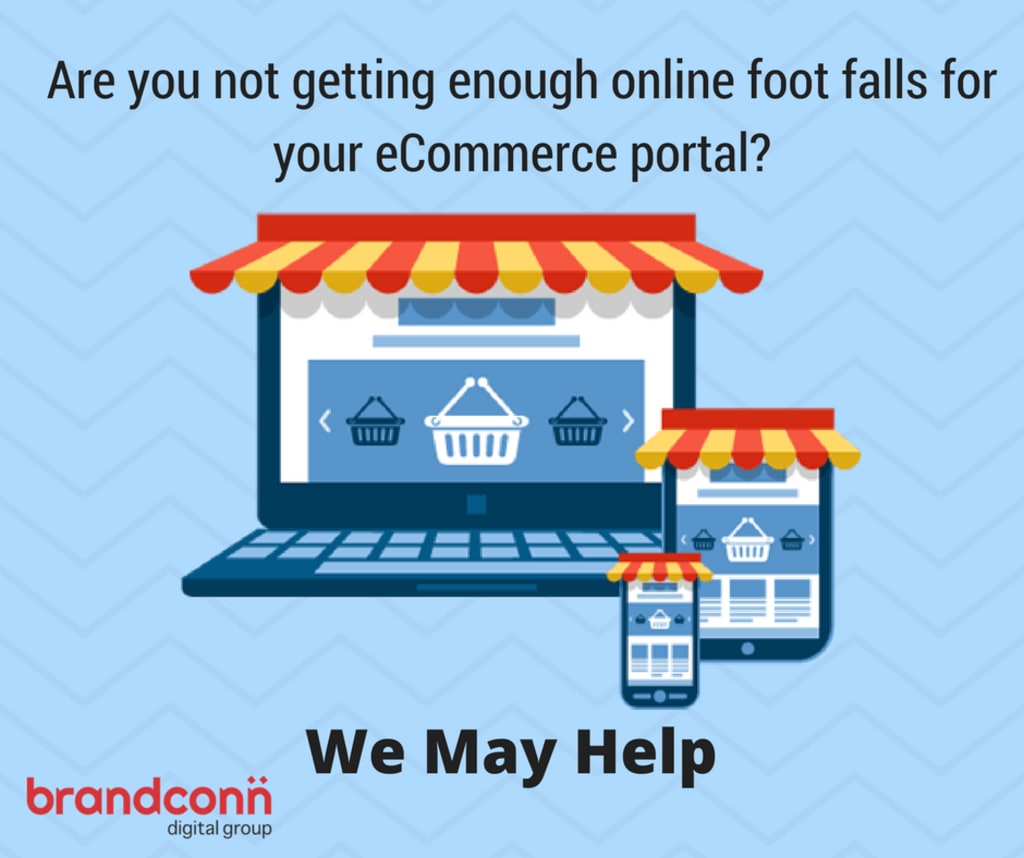
In the highly competitive world of online shopping, designing an e-commerce website that captures and retains customer attention is crucial for success. For businesses in India, where the online shopping experience is evolving rapidly, E-Commerce Website Design plays a key role in creating memorable user experiences that drive sales. If you want to boost user engagement and increase conversions, your e-commerce site must be more than just a digital store—it should be an interactive platform that delights and guides customers through a seamless shopping journey.
In this blog, we’ll explore key strategies and best practices for designing an e-commerce website in India that maximizes user engagement, builds trust, and ultimately drives more sales.
1. Prioritize Mobile-First Design
In India, mobile internet usage is skyrocketing, and more people are shopping on mobile devices than ever before. For maximum user engagement, your e-commerce website design must prioritize mobile-first design. Google’s mobile-first indexing also ensures that mobile optimization is crucial for SEO rankings, which means that designing for mobile should be your top priority.
What You Should Do:
Create responsive designs that automatically adjust to different screen sizes, ensuring a smooth browsing experience on mobile devices.
Optimize images, content, and load speeds for mobile users to prevent slow page loading times that lead to high bounce rates.
Pro Tip: Consider the thumb zone for easy navigation on mobile screens, placing key navigation elements within easy reach of the user’s thumb.
2. Simplify Navigation for Seamless User Experience
A well-structured navigation system is the backbone of any successful e-commerce website design in India. When users can find products quickly, they are more likely to stay on your site longer and make a purchase.
What You Should Do:
Implement clear categories and subcategories that make it easy for users to filter and browse products.
Use intuitive search functionality with advanced filters and sorting options to help customers find exactly what they need without frustration.
Ensure that key elements like the shopping cart, contact information, and search bar are always visible and easily accessible.
Pro Tip: Test your navigation design frequently to ensure that it’s both functional and intuitive for users.
3. Focus on Visual Appeal and Product Imagery
High-quality visuals are essential for any e-commerce website. In India’s competitive market, customers expect a polished, professional design that showcases your products in the best light. Product images and videos can help engage customers and encourage them to click “buy now.”
What You Should Do:
Use high-resolution product images from multiple angles to give users a clear view of what they are purchasing.
Consider adding 360-degree product views or short product videos to give users a more interactive experience.
Ensure images load quickly without affecting website performance by compressing them for faster loading times.
Pro Tip: Incorporate zoom features that allow users to closely examine product details, especially for items like clothing or electronics.
4. Fast Load Times for Increased Engagement
Speed is a critical factor in e-commerce website design—especially, where users often experience slower internet speeds. Slow-loading websites leads to frustrated visitors, which directly impacts conversion rates. A fast website, on the other hand, encourages customers to stay longer and explore more products.
What You Should Do:
Optimize images and compress files to improve load times.
Utilize browser caching and a content delivery network (CDN) to serve content faster to users.
Minimize HTTP requests by reducing the number of elements (scripts, images, etc.) that need to load on each page.
Pro Tip: Use tools like Google PageSpeed Insights or GTMetrix to measure and improve your website’s performance.
5. Offer Personalized Experiences
Personalization is key to keeping users engaged and encouraging them to return to your site. When users feel that the content and product recommendations are tailored to their preferences, they are more likely to make a purchase and come back in the future.
What You Should Do:
Implement AI-driven product recommendations based on browsing history, search queries, and past purchases.
Offer personalized discounts, promotions, or loyalty rewards to returning users.
Use dynamic content that changes based on user behavior, such as highlighting popular items or offering seasonal deals.
Pro Tip: Consider integrating email marketing that targets users with personalized offers, abandoned cart reminders, or re-engagement campaigns.
6. Streamline the Checkout Process
A complex or lengthy checkout process is one of the main reasons for cart abandonment. Where users might be sensitive to time and payment options, making the checkout process as simple and fast as possible is crucial for maximizing user engagement and conversion rates.
What You Should Do:
Offer multiple payment options, including credit/debit cards, digital wallets (like Paytm, Google Pay), and cash on delivery (COD), which is popular in India.
Use progressive forms to break up long checkout processes into manageable steps.
Provide an option for guest checkout to avoid forcing users to create an account before purchasing.
Pro Tip: Implement trust signals during checkout, such as secure payment icons and customer reviews, to reassure users of their security.
7. Build Trust with Reviews and Ratings
Customer reviews are one of the most powerful tools for building trust and encouraging sales. Users are increasingly looking for social proof before making a purchase. Featuring genuine reviews and ratings can significantly enhance user engagement and influence buying decisions.
What You Should Do:
Enable customer reviews and ratings for all products.
Highlight reviews prominently on product pages to provide social proof and boost trust.
Encourage satisfied customers to leave reviews via post-purchase emails or incentives.
Pro Tip: Respond to both positive and negative reviews to show customers you care about their experience and are committed to improving your products and services.
Conclusion
Creating a highly engaging website design in India requires a focus on mobile optimization, fast loading times, intuitive navigation, personalization, and trust-building features. For businesses in India, leveraging E-Commerce Website Design best practices will not only improve user engagement but also lead to higher conversions and sales.
If you’re looking to take your e-commerce business to the next level, working with a skilled E-Commerce Website Design India team can help you design a site that keeps your customers engaged and loyal. With the right strategy and design, your website can become a powerful sales tool that delivers results for years to come.
About the Creator
Adiradas
We specialize in helping businesses grow through different digital marketing techniques. From SEO and PPC to social media management and content creation.
Enjoyed the story? Support the Creator.
Subscribe for free to receive all their stories in your feed.
Comments
There are no comments for this story
Be the first to respond and start the conversation.