
How to Clean Your Teeth Properly with Braces
Tips for Maintaining Oral Care with Braces
Wearing braces is an exciting step toward achieving a beautiful, straight smile. However, the journey to a perfectly aligned set of teeth comes with its own set of challenges—especially when it comes to maintaining proper oral hygiene. Cleaning your teeth with braces is not as straightforward as it is with natural teeth. With wires, brackets, and bands, food particles and plaque can easily become trapped, potentially leading to dental issues like cavities or gum disease. Whether you’re exploring your options with phrases like braces or already sporting your new orthodontic gear, mastering the art of cleaning your teeth properly with braces is crucial for both your oral health and the overall success of your orthodontic treatment.
In this blog, we’ll break down essential tips and techniques to keep your smile healthy during your braces journey. With clear, actionable steps and a human touch, we aim to guide you toward a cleaner, more confident smile.
Essential Tips for Maintaining Oral Hygiene with Braces
1. Mastering Brushing Techniques for Braces
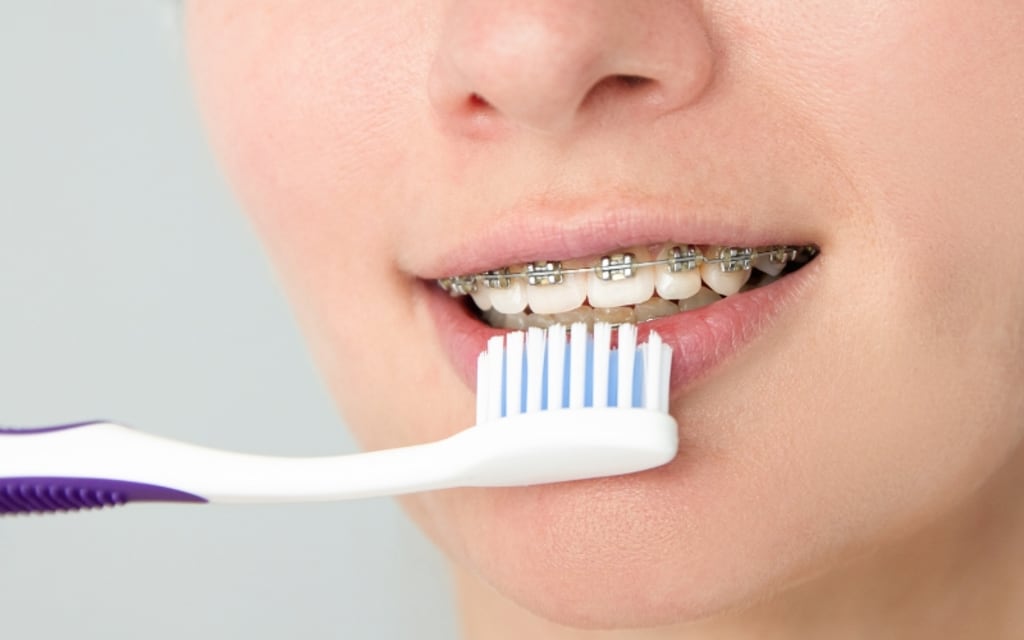
Brushing with braces is more intricate than brushing regular teeth. To ensure every part of your teeth is cleaned, consider the following:
Choose the Right Toothbrush: A soft-bristled toothbrush is ideal for cleaning around braces without causing damage to your enamel or irritating your gums. Some toothbrushes are designed specifically for braces, featuring V-shaped bristle patterns to better navigate around brackets and wires.
Angle and Technique: Hold your toothbrush at a 45-degree angle to your gums. This helps to remove plaque effectively, especially along the gumline where braces can create hidden pockets.
Take Your Time: It’s important not to rush. Spend at least two minutes brushing, ensuring you reach every surface, including behind brackets and around wires. Electric toothbrushes with oscillating or sonic technology can be particularly helpful in dislodging stubborn plaque.
2. Flossing with Braces: Why It’s Essential
Flossing might seem daunting when you have braces, but it is an essential part of keeping your teeth and gums healthy.
Interdental Floss: Specially designed floss, such as orthodontic floss, can make the process easier. These flosses often come with a stiffened end to help thread the floss under the wires.
Floss Threaders: Using a floss threader is a highly effective way to navigate floss between your teeth and braces. Threaders can help ensure that plaque is removed from areas that your toothbrush can’t reach.
Routine: Incorporate flossing into your daily routine. Even if it takes a little extra time, the benefits of preventing gum inflammation and cavities far outweigh the inconvenience.
3. Utilizing Interdental Brushes and Water Flossers
Supplement your regular brushing and flossing routine with tools designed to clean the hard-to-reach areas around braces.
Interdental Brushes: These small, conical brushes are perfect for getting between the brackets and wires. They come in various sizes, so you may need to try a few to find the one that best fits your needs.
Water Flossers: Also known as oral irrigators, water flossers use a stream of pulsating water to clean between teeth and around braces. They can be especially beneficial for those who find traditional flossing challenging. Regular use of a water flosser can help reduce the risk of gum disease and ensure that your orthodontic journey is as smooth as possible.
4. Regular Dental and Orthodontic Check-Ups
No oral hygiene routine is complete without professional supervision, particularly when wearing braces.
Scheduled Cleanings: Regular visits to your dentist are essential for maintaining oral health. Professional cleanings can remove plaque buildup and tartar that regular brushing might miss.
Orthodontic Adjustments: Regular appointments with your orthodontist ensure that your braces are working effectively. During these visits, you can also ask for personalized advice on cleaning techniques and product recommendations.
Monitoring for Issues: Early detection of any potential dental problems can save you from more complicated treatments later. Your dentist and orthodontist can identify issues such as decalcification (white spots on teeth) or gingivitis early on, allowing you to adjust your cleaning routine accordingly.
Keeping your teeth clean with braces may require a little extra time and effort, but the benefits are well worth it. By mastering effective brushing and flossing techniques, utilizing helpful tools like interdental brushes and water flossers, and committing to regular dental and orthodontic visits, you can ensure your smile remains healthy throughout your treatment. Remember, every step you take now not only improves your oral health but also sets the stage for a stunning smile in the future.
If you're considering braces and searching for affordable braces near me, it's important to also invest in the right oral hygiene practices to get the most out of your orthodontic journey. Your smile is a lifelong asset—nurture it with care, diligence, and the right tools for success.
About the Creator
Affordable Braces Justin
Affordable Braces Justin offers high-quality orthodontic care at budget-friendly prices. Our team provides a variety of options, including traditional braces and clear aligners, to help you achieve a straight, healthy smile.
Enjoyed the story? Support the Creator.
Subscribe for free to receive all their stories in your feed.
Comments
There are no comments for this story
Be the first to respond and start the conversation.