
How to Choose the Best Commercial EV Charger Supplier in the UAE
Practical Guide to Smart Charging Solutions for Businesses and Public Infrastructure in 2026

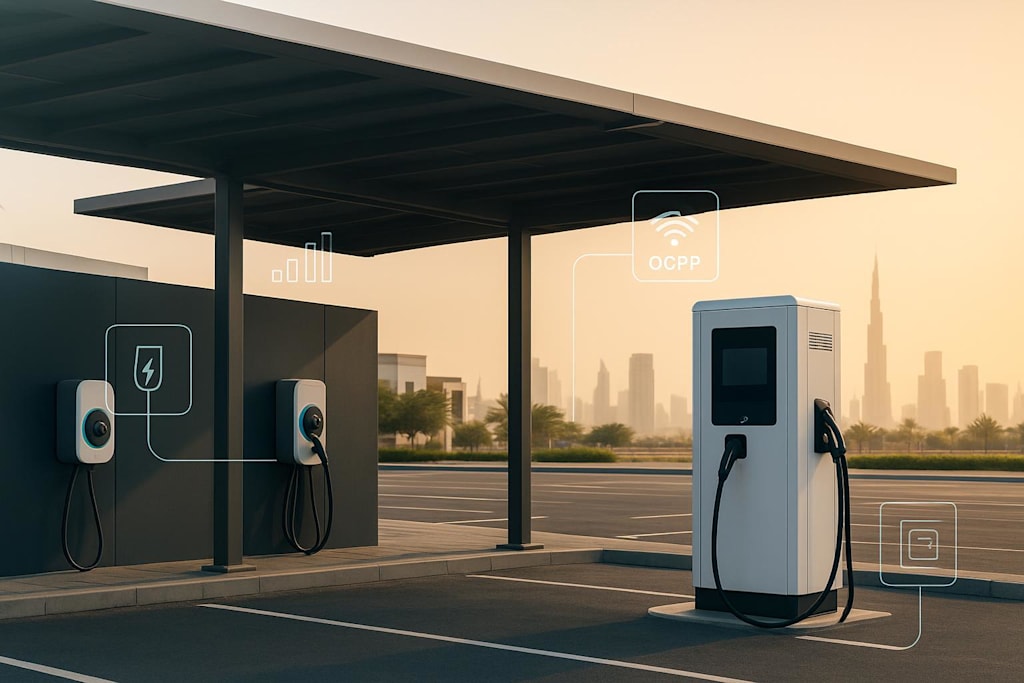
If you’re planning a commercial EV charging project in Dubai, Abu Dhabi, or anywhere across the UAE, selecting the right supplier is one of the most important decisions you’ll make.
With extreme heat, growing EV adoption, and increasing demand for reliable infrastructure, the difference between a successful installation and ongoing headaches often comes down to choosing the right partner and technology. This guide breaks down what really matters when sourcing commercial EV chargers in the UAE.
Why Commercial EV Charging Is Booming in the UAE
The UAE is one of the fastest-growing EV markets in the Middle East. Government policies, private investment, and rising consumer demand are driving rapid expansion of charging infrastructure across shopping malls, hotels, office buildings, public parking, and fleet operations.
For property owners and businesses, well-planned commercial EV charging can attract more customers, increase dwell time, support sustainability targets, and create additional revenue opportunities. However, success depends heavily on choosing equipment and suppliers that can handle local conditions.
AC vs DC Commercial EV Chargers: Which Is Right for Your Project?
The first major decision is understanding the two main types of chargers:
AC Chargers (Level 2): Best suited for locations where vehicles park for longer periods (2–8 hours). These are ideal for hotels, offices, malls, and residential compounds. They are more affordable, easier to install, and place less stress on the electrical grid.
DC Fast Chargers: Designed for quick charging sessions (15–45 minutes). They work well for high-turnover locations such as highways, busy retail areas, taxi stands, and fleet depots. While more expensive, they deliver much faster charging speeds.
Most successful projects in the UAE use a strategic mix of both AC and DC chargers based on site-specific dwell times and usage patterns.
Key Features to Look For in 2026
When evaluating commercial EV charger suppliers, focus on these practical factors:
Outdoor Durability: The UAE’s intense heat, dust, and UV exposure require chargers with high IP ratings, advanced thermal management, and proven performance in desert environments.
OCPP Compatibility: Support for OCPP 1.6 JSON or 2.0.1 is essential for remote monitoring, load balancing, billing, and future scalability.
Smart Load Balancing: This feature helps optimize existing power capacity and avoid costly grid upgrades by dynamically distributing electricity.
Access Control and Billing: Flexible options including RFID, mobile apps, and QR codes allow you to serve different user groups effectively.
Remote Management: Strong monitoring, diagnostics, and firmware update capabilities reduce downtime and operational costs.
Practical Considerations for UAE Projects
Successful deployments usually start with a thorough site assessment. Key points to evaluate include current electrical capacity, expected utilization rates, future expansion plans, and local environmental challenges.
Working with suppliers who understand UAE-specific requirements — such as heat resistance, dust protection, and compliance with local standards — can significantly improve project outcomes. Good suppliers also provide clear documentation, installation support, and reliable after-sales service.
For larger networks or distributors, features like OEM/white-label options can help maintain brand consistency across multiple sites.
Common Mistakes to Avoid
Choosing chargers based only on price without considering long-term reliability in harsh weather.
Ignoring OCPP compatibility and load management capabilities.
Underestimating the importance of proper installation and ongoing maintenance planning.
Looking Forward
As the UAE continues to build out its EV ecosystem, commercial charging infrastructure will become even more critical for businesses and public projects. Those who invest in high-quality, smart, and durable solutions now will be better prepared for the expected surge in electric vehicles over the next few years.
Whether you are developing a single property or managing a large charging network, taking the time to select the right commercial EV charger supplier will help ensure strong performance, lower operating costs, and better return on investment.
About the Creator
Enjoyed the story? Support the Creator.
Subscribe for free to receive all their stories in your feed.
Comments
There are no comments for this story
Be the first to respond and start the conversation.