
How to Care for Your Teeth After a Whitening Treatment
Essential Tips and Best Practices for Maintaining a Bright, Healthy Smile After Teeth Whitening.

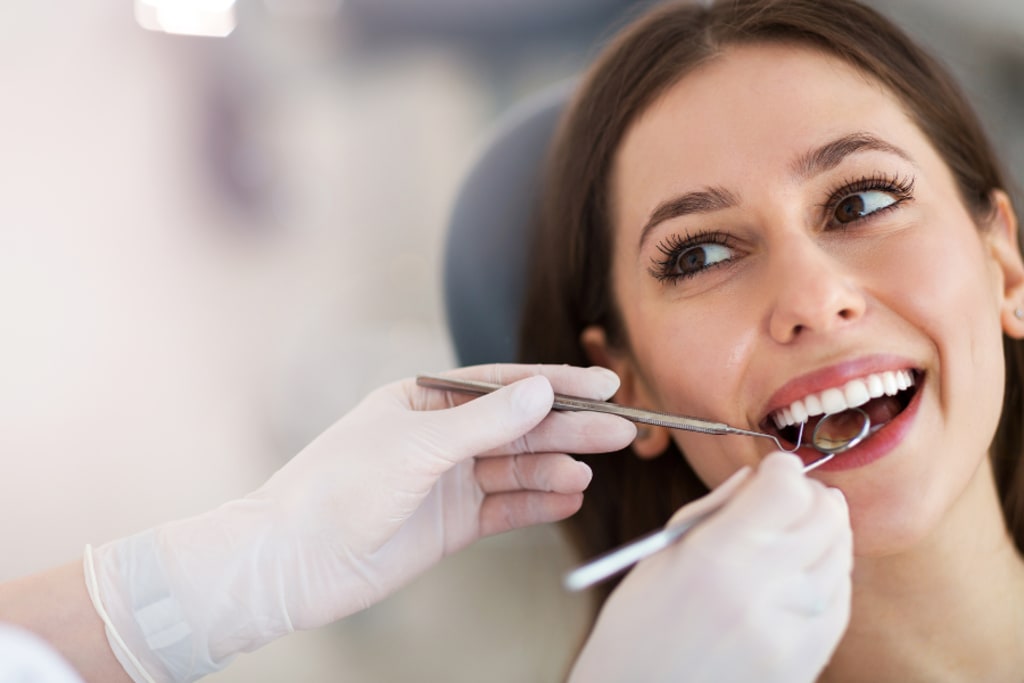
A bright, white smile is something many of us strive for, and teeth whitening treatments are an effective way to achieve it. Whether you’ve had an in-office whitening procedure or used at-home products, maintaining that newly whitened smile requires some careful attention. To help you protect your results and care for your teeth after whitening, we've gathered essential tips and best practices that will keep your smile radiant for longer.
Understanding Teeth Whitening Treatments
Before diving into the aftercare, it’s important to understand how teeth whitening works. Whitening treatments, whether performed by a dentist or at home, typically use hydrogen peroxide or carbamide peroxide as the active ingredient. These chemicals penetrate the enamel to break down stains, making your teeth appear whiter.
However, after the whitening process, your teeth can be more porous and temporarily sensitive, making them more susceptible to staining and discomfort. For the best long-term results, it’s crucial to follow a proper post-whitening care routine.
1. Avoid Staining Foods and Beverages
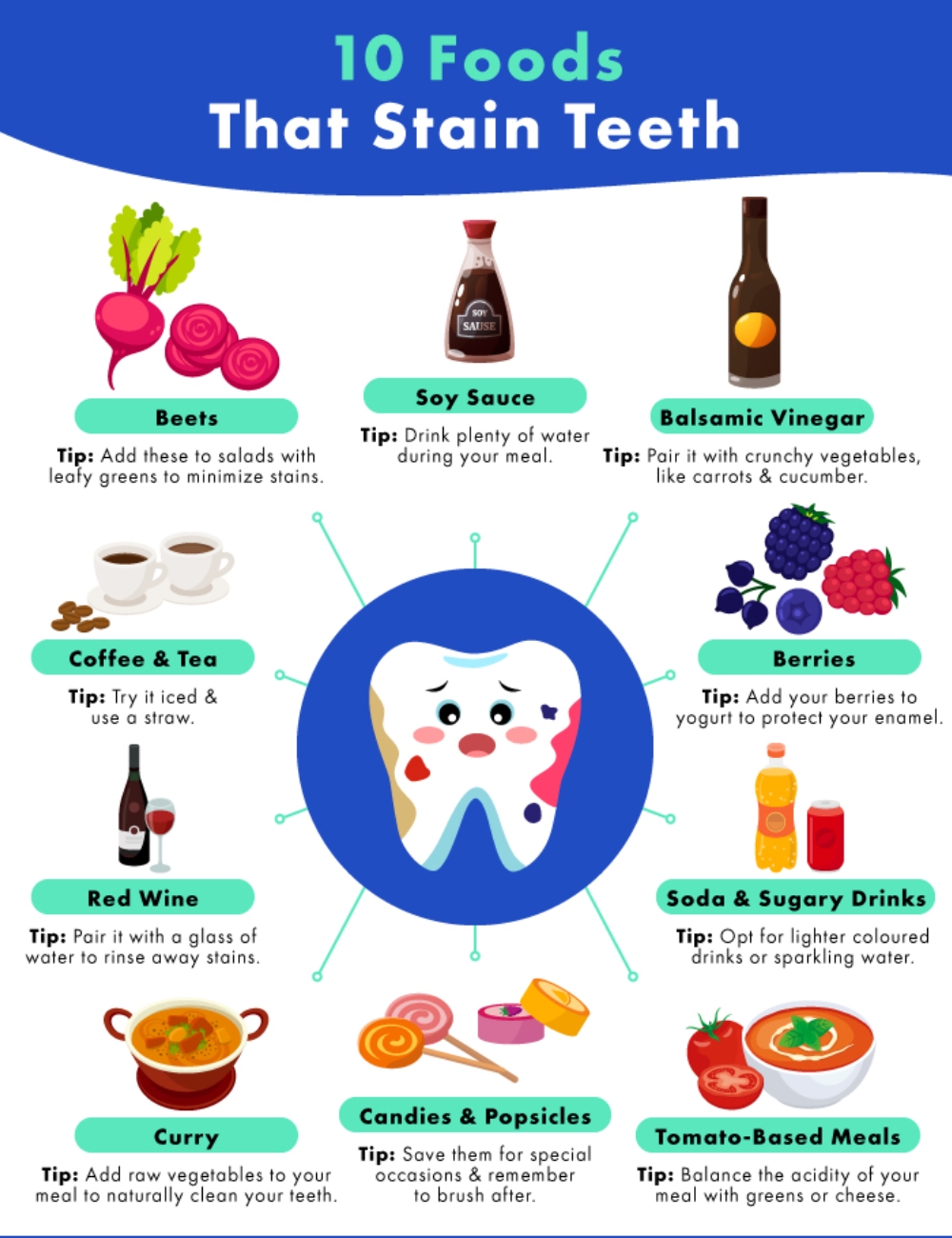
The first 48 hours after your whitening treatment are crucial. During this period, your teeth are more porous and can absorb stains more easily. To preserve your results, avoid foods and drinks that are known to stain teeth, including:
Coffee & Tea: Coffee and tea are beloved morning staples, but they can stain your teeth. Coffee contains tannins that cause color compounds to stick to enamel, while the pigments in tea can cling to teeth over time. To reduce staining, drink these beverages through a straw and rinse your mouth afterward.
Red Wine: Red wine’s rich color and acidity can quickly adhere to enamel, causing dark stains. If you’re a wine lover, try drinking water alongside it to rinse away pigments and maintain good oral hygiene for a brighter smile.
Berries: Berries like blueberries, raspberries, and blackberries are nutritious but can stain teeth due to their vibrant colors. Enjoy them with dairy products like yogurt to protect your enamel and brush your teeth shortly afterward to minimize discoloration.
Tomato-Based Products: Tomato sauces, soups, and salsas are delicious but can stain teeth because of their rich pigments and acidity. Pair these foods with fresh greens or cheese to help balance the acidity and reduce staining.
Curry: Curry’s bold flavors and vibrant yellow color can cause staining. To minimize the effect, incorporate raw fruits and vegetables into your meals to naturally clean your teeth.
Balsamic Vinegar: Balsamic vinegar’s dark color and acidity can contribute to tooth stains. Pair salads with crunchy vegetables like carrots and cucumbers to naturally scrub your teeth and reduce staining.
Beets: Beets are highly nutritious but their deep red color can stain teeth. Rinse your mouth with water after eating beets to reduce staining.
Soy Sauce: Soy sauce’s dark color can stain teeth, and its high sodium content can dry out your mouth. Drink plenty of water and practice good oral hygiene when consuming soy sauce.
Soda & Sugary Drinks: Soda and sugary drinks are not only harmful to health but also erode enamel, allowing pigments to settle in. Opt for water or light-colored, unsweetened drinks to keep your teeth stain-free.
Hard Candies & Popsicles: Brightly colored hard candies and popsicles can stick to enamel, causing stains. Limit your intake and choose lighter-colored options to protect the brightness of your smile.
If you need to consume any of these items, try using a straw to reduce the contact between the beverage and your teeth. Alternatively, rinse your mouth with water immediately after consuming these staining foods or drinks.
2. Maintain Proper Oral Hygiene
Brushing and flossing are essential parts of maintaining the health of your teeth, especially after a whitening treatment. Here’s how to care for your teeth effectively:
Brush gently: Use a soft-bristled toothbrush and a fluoride toothpaste to avoid irritation, as your teeth may be more sensitive after whitening. Be gentle when brushing, as overly aggressive brushing can cause enamel wear over time.
Use a whitening toothpaste: After the first 48 hours, consider using a toothpaste that’s specially formulated for sensitive teeth or designed to maintain whitening results. These toothpastes are often less abrasive and can help gently remove surface stains without irritating sensitive enamel.
Floss regularly: Don’t neglect flossing! Plaque buildup between your teeth can dull your bright smile. Flossing once a day will help keep your teeth clean and prevent staining between the teeth.
3. Hydrate with Water
Drinking water is an essential part of any oral care routine, and it’s especially important after whitening. Water helps wash away food particles and staining agents, keeping your mouth clean. Hydration also promotes saliva production, which naturally helps neutralize acids in your mouth that could lead to plaque buildup and staining.
After consuming anything that could stain your teeth, drink a glass of water to rinse away any residue. This simple habit can go a long way in preserving your whitening results.
4. Manage Sensitivity
It’s common to experience some tooth sensitivity after whitening, especially if you’ve had an in-office procedure with stronger bleaching agents. If you experience discomfort or heightened sensitivity, follow these tips:
Use desensitizing toothpaste: These toothpastes are specifically designed to reduce sensitivity and are available over the counter.
Avoid very hot or cold foods and drinks: Until your sensitivity subsides, it’s best to avoid items like ice cream, hot coffee, or extremely cold beverages.
Use a soft toothbrush: A gentle toothbrush will reduce irritation and help protect your enamel.
If sensitivity persists for more than a few days or becomes severe, it’s important to consult with your dentist to rule out any underlying issues.
5. Consider Touch-Up Treatments
Teeth whitening isn’t permanent, and your results can gradually fade over time due to natural factors like eating, drinking, and aging. Some people may benefit from occasional touch-up treatments to maintain the brightness of their smile.
Depending on the method of whitening you choose, your dentist may offer professional touch-ups, or you can use at-home whitening kits under their guidance. Touch-ups are particularly helpful for those who want to keep their smile looking fresh after the initial treatment.
6. Visit Your Dentist Regularly
Even though your teeth may look great after whitening, regular dental visits are key to maintaining oral health. Regular cleanings and checkups by your dentist help prevent plaque buildup and ensure that any potential issues are addressed early. Your dentist can also help you monitor the longevity of your whitening results and offer advice on how to care for your teeth in the long run.
If you're searching for a dentist in Katy, TX, it's important to find a professional who can guide you through the post-whitening process and help ensure the health of your teeth remains optimal. A trusted dentist will provide personalized advice and care based on your unique needs.
7. Avoid Over-Whitening
While it’s tempting to whiten your teeth multiple times to keep them looking as bright as possible, over-whitening can damage your enamel and cause long-term sensitivity. Stick to your dentist’s recommendations and avoid using whitening products too frequently. Your dentist will provide guidance on how often to re-whiten to achieve the best results without causing harm to your teeth.
8. Use a Mouthguard if Necessary
If you tend to grind your teeth at night, it’s a good idea to wear a mouthguard, especially after whitening. Teeth grinding can lead to enamel erosion and potential staining. A mouthguard will help protect your teeth and preserve your whitening results.
9. Practice Patience
Finally, it’s important to practice patience. After whitening, your teeth may take a few days to settle. Don’t worry if your teeth seem slightly more sensitive or dull immediately following the procedure. With proper care, your smile will shine bright and continue to improve over the following days.
Proper care after a teeth whitening treatment is essential for preserving your bright smile and ensuring the health of your teeth. By avoiding staining foods and drinks, practicing good oral hygiene, staying hydrated, and following the tips outlined above, you can maintain your beautiful results for as long as possible.
If you're in search of a dentist in Katy, who can help you with teeth whitening and provide ongoing care, be sure to consult with a professional. They can guide you through the whitening process and offer tailored aftercare advice to keep your smile shining. Regular dental visits are key to long-term oral health, so be sure to prioritize your visits to maintain your radiant smile for years to come!
About the Creator
Premier Dental Studio of Katy
At Premier Dental Studio of Katy, Dr. Adeena Arain and Dr. Sadaf Maknojia provide tailored dental treatment plans. As your trusted dentist in Katy, TX, we focus on individual oral needs, which help you achieve a healthier, brighter smile!
Enjoyed the story? Support the Creator.
Subscribe for free to receive all their stories in your feed.
Comments
There are no comments for this story
Be the first to respond and start the conversation.