
How to Care for Your Dental Implants Long-Term
Essential Tips to Keep Your Dental Implants Healthy, Strong, and Long-Lasting
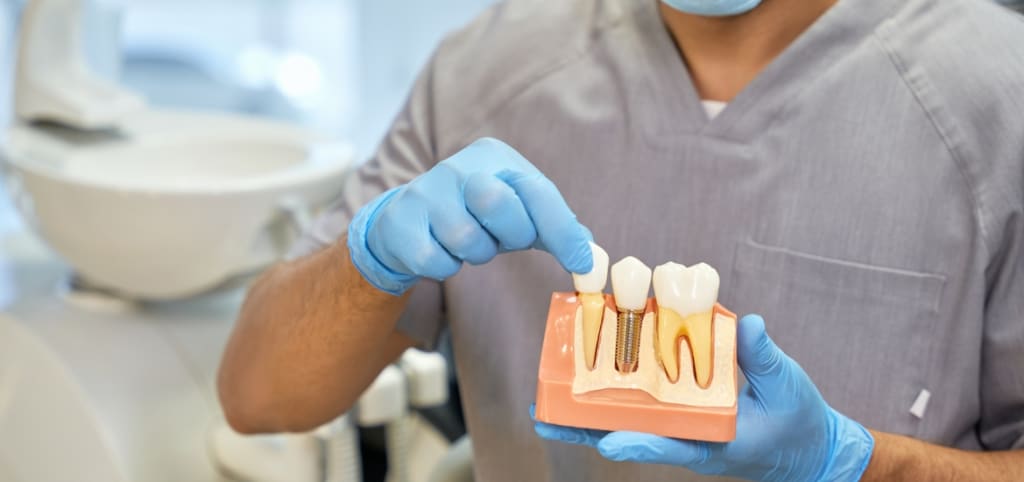
Dental implants are more than a cosmetic fix—they’re a durable solution that can last for decades when properly maintained. But just like natural teeth, implants require daily care, routine checkups, and healthy habits. Whether you've recently had implants placed or have had them for years, long-term care is what keeps them strong and functional.
Let’s explore simple, effective ways to preserve your implants and ensure your smile stays healthy for the long haul.
Daily Care Routines That Protect Your Investment
Everyday hygiene matters more than you think
Brushing and flossing remain critical even after your natural teeth have been replaced with implants. Although dental implants are not prone to decay, the surrounding gum tissue and bone can still suffer if plaque accumulates. Use a soft-bristled toothbrush and non-abrasive toothpaste to avoid scratching the implant surface.
Make brushing twice a day a non-negotiable habit. Add flossing once a day to the mix—either with regular floss or tools like water flossers and interdental brushes. Focus especially on the area where the implant meets your gums. That zone is vulnerable to inflammation if not kept clean.
The Role of Regular Dental Checkups
Professional care completes your home routine
No matter how thorough your home care routine is, professional checkups are a must. Dentists use specialized tools to clean areas that regular brushing can't reach. More importantly, they can detect early signs of implant-related issues such as gum inflammation or bone loss.
Plan on seeing your dentist at least twice a year. If you have conditions like diabetes or a history of periodontal disease, more frequent visits may be needed. Think of these visits as your implant’s insurance policy. They allow you to address minor issues before they become major setbacks.
Avoiding the Wrong Habits
Protect your implants from unnecessary strain
Dental implants are strong, but they aren’t invincible. Using your teeth as tools—like tearing open packages—can lead to damage over time. Similarly, habits like nail-biting, chewing ice, or grinding teeth (bruxism) can weaken the implant structure or surrounding bone.
If you grind your teeth at night, consider wearing a nightguard. Your dentist can create a custom one that fits comfortably and provides protection. Being mindful of these small habits can go a long way in extending the life of your implants.
Food Choices That Support Implant Longevity
What you eat influences implant health
After the healing period, implants allow you to enjoy a full, unrestricted diet. But it's still wise to favor foods that support overall oral health. Calcium-rich foods like yogurt, leafy greens, and almonds help maintain strong bone tissue around the implant.
Try to limit sugary and sticky foods that can cause plaque buildup on the gumline. While your implant crown won't get cavities, excess sugar can still irritate the surrounding gum. Drinking plenty of water also helps keep your mouth clean and supports saliva production—your body’s natural defense against bacteria.
The Importance of Gum Health
Healthy gums are the foundation of implant success
Your implant’s long-term success depends heavily on the health of your gums. Inflammation of the tissue around an implant—known as peri-implantitis—can lead to bone loss and even implant failure if left untreated.
To keep your gums in good shape, maintain a balanced diet, use antimicrobial mouthwash, and avoid smoking. Tobacco reduces blood flow to the gums and slows healing, increasing the risk of infection. Even vaping carries similar risks. Keeping your gums in top condition safeguards the implant beneath.
Managing Stress for Better Oral Health
Yes, stress affects your implants too
Chronic stress has a direct impact on your oral health. It can lead to teeth grinding, jaw clenching, and a weakened immune response—all of which can compromise your implant. High stress levels also raise cortisol, which increases inflammation throughout your body, including your gums.
Try incorporating stress management techniques into your routine. Simple practices like yoga, deep breathing, or taking regular walks can make a meaningful difference. A calmer mind often leads to a healthier mouth.
Cleaning Tools That Make a Difference
Upgrade your dental toolkit for better results
Consider investing in tools that enhance your oral hygiene routine. Water flossers are excellent for cleaning between implants and natural teeth. Electric toothbrushes with pressure sensors can also improve your brushing technique without causing damage.
You may also benefit from using a mouth rinse formulated specifically for implant care. Look for options that are alcohol-free and designed to reduce plaque without irritating the gums. Ask your dentist for recommendations based on your unique needs.
Recognizing Signs of Trouble Early
Early detection prevents complications
Knowing what to look for can save your implants. Redness, swelling, bleeding, or discomfort around the implant are early warning signs. If you notice any of these symptoms, don’t wait for your next appointment—schedule a visit promptly.
Pain when chewing or a loose-feeling implant are more serious indicators that require immediate attention. Regular self-checks in front of the mirror can help you monitor your implant’s appearance and catch changes before they escalate.
Traveling With Implants
Stay consistent, even when you’re on the move
Vacations and business trips can disrupt routines, but don’t let your oral care take a break. Pack a travel-sized dental kit with your essentials—soft toothbrush, floss or water flosser, and mouthwash.
If you're flying internationally, remember to check that your implant-friendly products are allowed in your carry-on. Maintaining consistency while traveling ensures that you return home with your smile as healthy as when you left.
Supporting Your Implants With a Healthy Lifestyle
What you do every day matters long term
Good sleep, a nutritious diet, hydration, and avoiding tobacco all play into your implant’s success. A well-functioning immune system helps your body resist infections and support healing. That includes healing that occurs continuously in the tissues around your implant.
When your body is functioning well, your implants benefit. Make small, manageable changes to your lifestyle, and the results will show not just in your health, but in your smile.
Dental implants can last a lifetime, but only with intentional care and attention. From the foods you eat to how you manage stress, every choice you make contributes to the health of your smile. Long-term success depends on treating your implants as a permanent part of your body—which they are.
Whether you're new to implants or have had them for years, following these practical habits can help you enjoy years of confident, functional smiles. If you're searching for reliable care or have questions about your existing restorations, trusted providers of Dental Implants Fort Worth can offer personalized guidance tailored to your lifestyle and needs.
About the Creator
Titanium Dental Fort Worth - Family, Cosmetic & Implant Dentistry
Looking for the best dentist near you? Titanium Dental Fort Worth offers expert care, advanced titanium implants, and personalized service—all in a state-of-the-art facility. Your smile is our top priority!
Enjoyed the story? Support the Creator.
Subscribe for free to receive all their stories in your feed.
Comments
There are no comments for this story
Be the first to respond and start the conversation.