
How to Care for Your Dental Implants After Surgery
Protect Your Investment with Smart Aftercare Steps

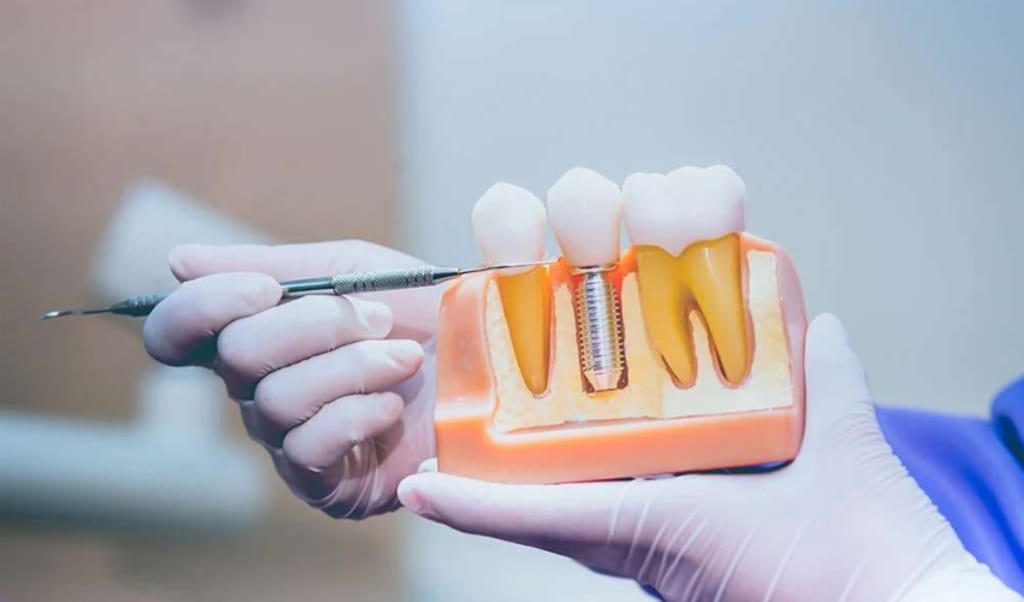
Getting dental implants is a significant step toward restoring both function and confidence in your smile. After the surgery, how you treat the area can directly impact healing time and the long-term success of the implants. While the procedure is relatively straightforward, aftercare requires consistency, attention, and a bit of patience.
The First 48 Hours Matter Most
The healing process kicks off as soon as you leave the dental office. Those first two days are when your mouth is at its most sensitive and vulnerable. You may experience some swelling, slight bleeding, and discomfort. These symptoms are normal and usually subside with proper care.
Ice packs help reduce swelling. Apply them to your cheek near the surgical area in 15-minute intervals. Avoid hot drinks or meals that could increase blood flow and cause more swelling. Stick to lukewarm, soft foods and steer clear of anything spicy or crunchy. Soups, mashed potatoes, smoothies, and yogurt are great choices.
Hydration plays a key role, but skip the straw. The suction created by using a straw can disrupt the blood clot at the implant site and lead to complications like dry socket. Instead, sip water slowly from a cup.
Keep It Clean Without Overdoing It
Oral hygiene is essential, but you must go about it gently during the healing period. The day after surgery, begin rinsing with a warm saltwater solution—one teaspoon of salt in a glass of warm water—after meals. This helps eliminate bacteria and soothe the tissues without being abrasive.
When brushing, use a soft-bristled toothbrush and be cautious around the surgical site. Avoid commercial mouthwashes that contain alcohol as they can irritate healing tissue. If your dentist prescribed a special rinse or antibiotic, follow their directions closely.
Monitor for Signs of Infection
Even with great care, infections can occasionally develop. Watch for symptoms like increased swelling after the third day, severe pain that doesn’t subside, pus, or fever. If you notice any of these, contact your dentist immediately. Early intervention prevents more serious problems from developing.
It’s also important to avoid smoking during recovery. Tobacco slows down the healing process and raises the risk of infection. If you smoke, talk to your dental provider about ways to manage the habit while your implants heal.
Eat with Caution to Protect the Area
Your choice of food matters more than you might expect. For at least the first week, avoid chewing on the side where the implant was placed. Stick to foods that don’t require much effort to chew—scrambled eggs, smoothies, rice, oatmeal, and steamed vegetables.
Avoid nuts, chips, seeds, and other hard or sharp-edged items. Not only can these get lodged around the implant site, but they can also irritate the healing tissue or even damage the area. Think of your meals as part of your recovery toolkit.
Gradually Return to Your Regular Routine
After the first week, swelling and discomfort usually begin to fade. At this point, you can slowly reintroduce more solid foods and resume your normal hygiene practices. But don’t rush it. If anything feels off or painful, give your dentist a call.
Physical activity can usually resume after a few days, but it’s best to avoid strenuous exercise during the early healing phase. Physical strain increases blood pressure, which may contribute to bleeding or discomfort near the surgical site.
Schedule and Attend Follow-Up Visits
Follow-up appointments are a crucial part of the recovery process. These visits allow your dentist to monitor healing, check for signs of infection or complications, and ensure the implant is integrating properly with your jawbone.
During these visits, your dentist may take X-rays or examine the gums to confirm progress. It’s also an excellent time to ask any questions you may have or discuss concerns. Don’t skip these checkups even if you’re feeling fine. Silent issues can exist without noticeable symptoms.
Long-Term Maintenance for Lasting Results
Once healing is complete and your final restoration is placed, your role doesn’t stop there. Dental implants require regular care—just like natural teeth. Brush twice a day, floss daily (implant-specific floss or water flossers work well), and schedule cleanings every six months.
Avoid using your teeth as tools. Opening packages or biting fingernails puts unnecessary pressure on your implants. A nightguard may also be helpful if you grind your teeth in your sleep. Protecting your investment means being mindful of daily habits.
Listen to Your Body
Pain is your body’s way of signaling that something’s wrong. While some discomfort is normal in the beginning, persistent or severe pain is not. Keep an open line of communication with your dental provider and don’t hesitate to report anything unusual.
A metallic taste in your mouth, sudden bleeding, or the feeling that the implant is loose all require immediate attention. Delaying treatment could lead to implant failure, which is preventable in most cases with early care.
Supporting Your Healing with Nutrition
What you eat fuels your recovery. Focus on protein-rich foods like eggs, fish, and soft tofu. These help with tissue regeneration. Vitamin C from fruits like oranges and strawberries supports immune function, while zinc found in legumes and whole grains promotes healing.
If chewing is still difficult, blended smoothies packed with Greek yogurt, protein powder, and spinach can provide essential nutrients without hurting the surgical area. Healing is an inside-out process, and proper nutrition lays the foundation for success.
Emotional Support and Recovery
The recovery process isn’t just physical—it’s emotional too. Adjusting to implants can feel strange at first. You might be self-conscious or worry about your smile. Give yourself time to adapt. Most people feel more confident once they start seeing results and regaining normal function.
Talk to family and friends if you're feeling stressed. If needed, reach out to a support group or speak with your dental team about your concerns. Mental well-being plays a big part in your healing journey.
As you move forward, staying consistent with your oral care and mindful of your habits will help you enjoy a lifetime of benefits. Whether you’ve just had your first implant or are on your final follow-up visit, remember that great outcomes start with great care. For those looking into Dental Implants Round Rock, knowing how to care for them is just as important as getting them placed by a skilled professional.
About the Creator
Chandler Creek Dental Care - Round Rock Dentist
By choosing Chandler Creek Dental Care as your dentist in Round Rock, you can trust that you're in capable hands. With a comprehensive range of services spanning General Dentistry, Family Dentistry, Cosmetic Dentistry, and more.
Enjoyed the story? Support the Creator.
Subscribe for free to receive all their stories in your feed.
Comments
There are no comments for this story
Be the first to respond and start the conversation.