
How Sunscreen Safeguards Your Skin Against Cancer and Promotes Overall Skin Health
Unveiling the Power of Sunscreen: Your Shield Against Harmful UV Rays
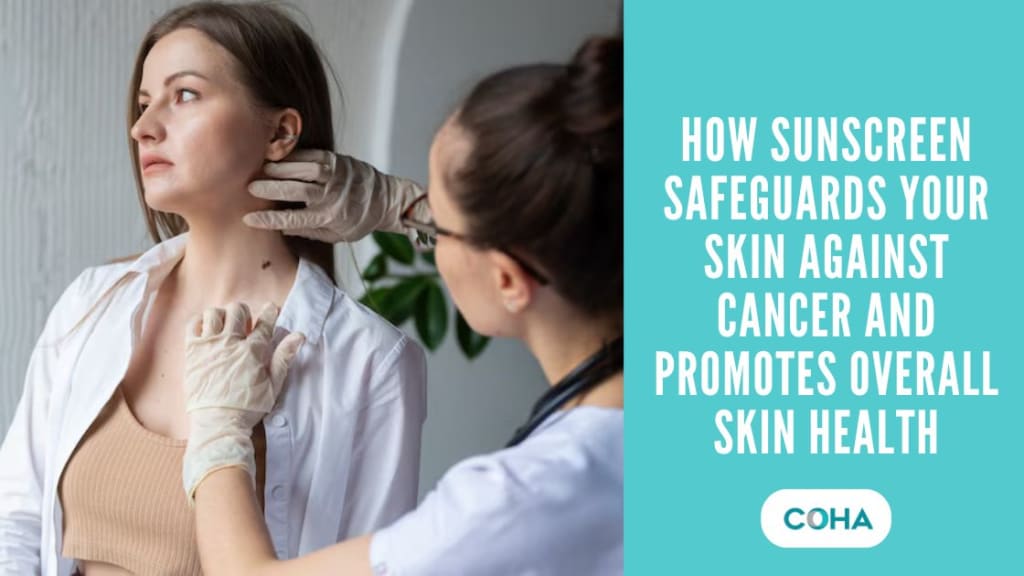
Skin cancer is the most common type of cancer worldwide, with rates rising steadily. A significant cause of this increase is overexposure to ultraviolet (UV) radiation from the sun. Thankfully, sunscreen is one of the best defenses against skin cancer. This blog will highlight how sunscreen plays a pivotal role in preventing skin cancer and maintaining healthy skin.
The Importance of Sun Protection for Healthy Skin?
The sun emits two primary types of UV radiation: UVA and UVB rays. UVA rays penetrate deeply into the skin, causing premature aging and contributing to skin cancer risk. UVB rays mainly affect the skin's surface, leading to sunburn. Both UVA and UVB rays damage the DNA in skin cells, which can eventually lead to skin cancer, including melanoma and non-melanoma types like basal cell carcinoma and squamous cell carcinoma.
Sunscreen helps protect the skin from both types of UV radiation, acting as a barrier that prevents them from causing damage. By using sunscreen consistently, you can protect your skin from immediate sunburns and long-term risks like skin cancer.
How Sunscreen Works to Protect Your Skin?
Sunscreens are formulated with ingredients that either absorb or reflect UV rays, preventing them from reaching the skin. There are two main types of sunscreen:
Chemical Sunscreens: These contain active ingredients like avobenzone, octinoxate, and oxybenzone, which absorb UV radiation and transform it into heat. These are often lightweight and get absorbed quickly into the skin.
Physical (Mineral) Sunscreens: Mineral sunscreens contain zinc oxide or titanium dioxide, which physically block or reflect UV rays from the skin’s surface. These sunscreens are often recommended for sensitive skin and provide broad-spectrum protection against both UVA and UVB rays.
The Crucial Role of Sunscreen in Skin Cancer Prevention
Using sunscreen regularly is one of the most effective ways to prevent skin cancer. Here's how sunscreen helps:
Prevents Sunburns: Sunburns are the immediate consequence of too much sun exposure. While sunburns might seem minor, repeated exposure can significantly damage your skin and increase cancer risk. Sunscreen helps avoid sunburns by blocking harmful UV rays.
Reduces DNA Damage: UV radiation causes DNA damage in skin cells, which can lead to mutations and ultimately skin cancer. Sunscreen works by blocking UV radiation and preventing DNA damage at the cellular level.
Delays Premature Aging: Sun exposure is a leading cause of premature aging, such as wrinkles and fine lines. Sunscreen helps protect your skin's elasticity, keeping it younger-looking and reducing the risk of skin cancer at the same time.
Broad-Spectrum Protection: Broad-spectrum sunscreen protects against both UVA and UVB rays. This protection helps reduce the risk of melanoma (linked to UVA exposure) and other skin cancers (linked to UVB exposure), promoting overall skin health.
Supports Long-Term Skin Health: Regular use of sunscreen supports healthy skin by guarding it against long-term sun damage. This is vital for preventing chronic conditions and protecting against skin cancer.
Lifestyle Changes to Reduce Skin Cancer Risk
Sunscreen is a powerful tool in reducing skin cancer risk, but it's not the only protective measure. Incorporate these lifestyle changes to further decrease your risk:
Seek Shade: Avoid direct sun exposure, particularly between 10 a.m. and 4 p.m. when the sun’s rays are the strongest.
Wear Protective Clothing: Shield your skin by wearing hats, long sleeves, and pants made of tightly woven fabrics.
Avoid Tanning Beds: Tanning beds emit harmful UV rays and increase the risk of skin cancer. It's best to avoid using them altogether.
Wear Sunglasses: Protect your eyes from UV radiation by wearing sunglasses that block 100% of UVA and UVB rays.
Get Regular Skin Checks: Schedule annual skin exams with a dermatologist and regularly check your skin for new or changing moles.
Skin Cancer Awareness: How Early Detection Can Help Save Lives
Skin cancer is highly treatable when caught early. The earlier it's diagnosed, the easier it is to treat and remove. Skin cancer screenings, along with self-examinations for unusual or changing moles, are crucial for early detection. If you notice changes in the size, shape, or color of moles, consult a healthcare provider immediately. Early detection can improve survival rates and treatment outcomes.
How Skin Cancer Develops and Its Major Risk Factors
Skin cancer develops when UV radiation damages the DNA of skin cells, causing mutations and abnormal cell growth. Over time, these mutations lead to tumors. The major risk factors for skin cancer include:
Excessive Sun Exposure: Long periods of unprotected sun exposure increase the risk of skin cancer.
Fair Skin: People with fair skin, light eyes, and red or blonde hair are at a higher risk for UV damage.
Tanning Bed Use: Tanning beds emit high levels of UV radiation, which increases skin cancer risk.
Family History: A family history of skin cancer, especially melanoma, raises your risk of developing it.
Weakened Immune System: People with weakened immune systems, such as organ transplant recipients, are more vulnerable to skin cancer.
How to Use Sunscreen Effectively?
To get the most out of your sunscreen, follow these tips:
Choose the Right SPF: Dermatologists recommend sunscreen with an SPF of at least 30. A higher SPF offers better protection, though the difference is small.
Apply Generously: Use enough sunscreen to cover all exposed skin areas. About one ounce (a shot glass full) is needed for full-body coverage.
Reapply Regularly: Sunscreen loses effectiveness after two hours or sooner if you sweat or swim. Reapply every two hours for continuous protection.
Combine with Other Protection: For maximum protection, combine sunscreen with protective clothing, seeking shade, and avoiding peak sun hours.
Conclusion
Sunscreen is an essential tool in protecting your skin from harmful UV radiation and preventing skin cancer. By blocking both UVA and UVB rays, sunscreen helps reduce the risks of sunburn, DNA damage, and premature aging. When combined with lifestyle changes, such as wearing protective clothing and seeking shade, sunscreen can significantly lower your risk of skin cancer. Make sunscreen a regular part of your skincare routine to maintain healthy skin and reduce your risk of skin cancer over the long term.
About the Creator
Enjoyed the story? Support the Creator.
Subscribe for free to receive all their stories in your feed.
Comments