
How Strategic Store Execution Drives Impulse Purchases
What Is The Role Of Strategic Store Execution In Driving Impulse Purchases

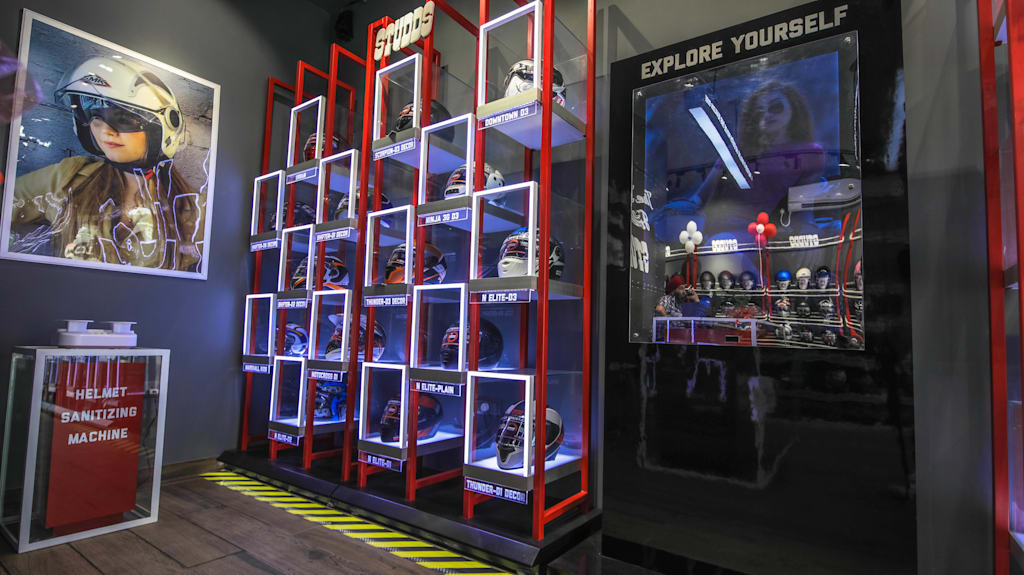
Whenever a customer enters a retail outlet, he or she often has a plan to buy only a few items. In fact, they sometimes enter the store for the purpose of window shopping. However, you must have noticed that many shoppers end up buying products that they did not even think of buying. Well, these unplanned purchases are known as impulse purchases. You will be shocked to know that it’s not the products, not the fixtures, not the salesperson, but strategic store execution that significantly encourages impulse buying.
The process of executing a store refers to how the products are being displayed, arranged, promoted, and managed inside a physical retail outlet. When stores are executed in a strategic and precise manner, they help brands appeal to the eyes of target customers, encourage footfall, improve shopping experience, and eventually increase sales and profitability. In other words, it directly influences how customers will behave towards a brand.
Through the medium of this article, we are going to discuss how strategic store execution helps in driving impulse purchases. But first, let us briefly learn about its importance.
Why does strategic execution matter?
Strategically executing a store benefits both retailers and customers. Organized stores, easy to find and access products, and better shopping experiences are a few things that customers enjoy. On the other hand, retailers are able to establish organized stores that directly improves sales and strengthens the brand presence.
At first, impulse purchases might seem small individually. But when gathered together, they significantly contribute to overall sales. Just by following simple execution strategies, including proper product placement, attractive displays, and visible promotions, they will notice a major difference in customer buying behavior.
In today’s hyper competitive retail environment, where margins are increasingly shrinking, it is not enough for retail brands to just rely on product quality or advertising. Instead, they should also treat their stores as the most important brand touchpoints and hence, pay attention to how products are being presented in front of customers. This will help them connect with customers directly at the final point of purchase, where buying decisions are often made within a few seconds.
Let us now move to discussing how strategic execution promotes unplanned purchases!
1. Product placement and visibility
Product placement is indeed one of the key aspects of retail execution. When brands carefully decide the placement and positioning of products, it helps them attract maximum attention.
Products that are placed at the eye level are more likely to be noticed by the customers. Similarly, products that are placed near entrances, checkout counters, or high-traffic areas have a high chance of being noticed and eventually purchased by the customers. Selecting an appropriate location or position for a product does not just help increase visibility, but also encourages customers to make quick purchase decisions.
For example, you must have noticed that various brands place small products like candies, chewing gums, and batteries near the checkout counters. The main reason behind this placement is that customers can easily pick them up while waiting in the line. Also, these are either necessary products or cheap/less costly products. Hence, customers do not usually think twice before adding them to their shopping cart.
2. Role of visual merchandising
Visual merchandising is another important part of store execution. When retailers implement attractive displays, creative signage, appropriate lighting, and organized shelves, this directly makes products more appealing to the customers.
The colorful displays and promotional banners are being displayed within retail outlets, and customers are naturally drawn towards them. In addition, a well planned and strategically executed store design guides visitors to different sections of the outlet and lets them explore more products. And clearly, when customers will spend more time within the store, browsing the available products, the chances of them making impulse purchases automatically increase.
3. Promotions and discounts
Discounts and promotional offers are something that strongly encourage customers to buy products that they did not plan to. Offer such as buy one get one free, flat 50% off, buy three in 999, limited time discount, offer ends today, combo deals, etc., create a sense of urgency among customers.
When brands strategically execute their retail touchpoints, this ensures that all these promotions are clearly visible to the customers.
According to customer psychology, it is noticed that customers often feel that they are getting better value through discounts, due to which they decide to go for unplanned purchases. Even if shoppers do not need the product immediately, they often get convinced to buy it due to attractive offers and huge discounts.
4. Importance of product availability
An impulse purchase can only happen if attractive products are available at the right place and right time. The presence of empty shelves or poor stock management within a store does not just hamper impulse purchases, but also reduces overall sales opportunities.
When brands execute their stores effectively and efficiently, it helps them ensure that the products are always properly stocked and visible to customers throughout the day. In addition, retailers and sales teams also keep a regular check on inventory in order to avoid out of stock situations.
Ensuring the availability of products, especially, becomes important during retail expansion. When brands are expanding their business and entering new markets to capture more customers, it is extremely crucial for them to maintain consistent product availability across multiple locations. Doing this will help them build customer trust and increase sales, growth, and profitability.
5. Consumer psychology and shopping experience
Strategically executing a retail store has a direct connection with consumer psychology. When consumers are provided with convenience, emotions, and visually attractive elements during shopping, this directly influences their final purchasing decisions.
When products within a retail outlet are displayed in a neat and organized manner, they don't just increase visibility but also facilitate smooth customer navigation, which eventually adds more to the overall shopping experience. And clearly, when customers get to experience comfortable shopping environments, this often leads to them spending more time inside a store, further increasing the likelihood of impulse purchases.
Conclusion
Strategic retail execution is one of the most important factors that influences impulse purchases. Each and every element executed inside a retail outlet, whether small or large, affects customer behavior.
When retailers execute their stores in a strategic manner and provide customers with attractive and convenient shopping experiences, they are more likely to make unplanned buying decisions.
About the Creator
D'Art Design
D’Art Design is a leading global retail design agency. We integrate tactic to provide outstanding experiences, through brand communication and activation, brand design, promotion, and interior design.
Enjoyed the story? Support the Creator.
Subscribe for free to receive all their stories in your feed.
Comments
There are no comments for this story
Be the first to respond and start the conversation.