
How Smoking Affects the Longevity of Dental Implants
The Impact of Smoking on the Longevity of Dental Implants

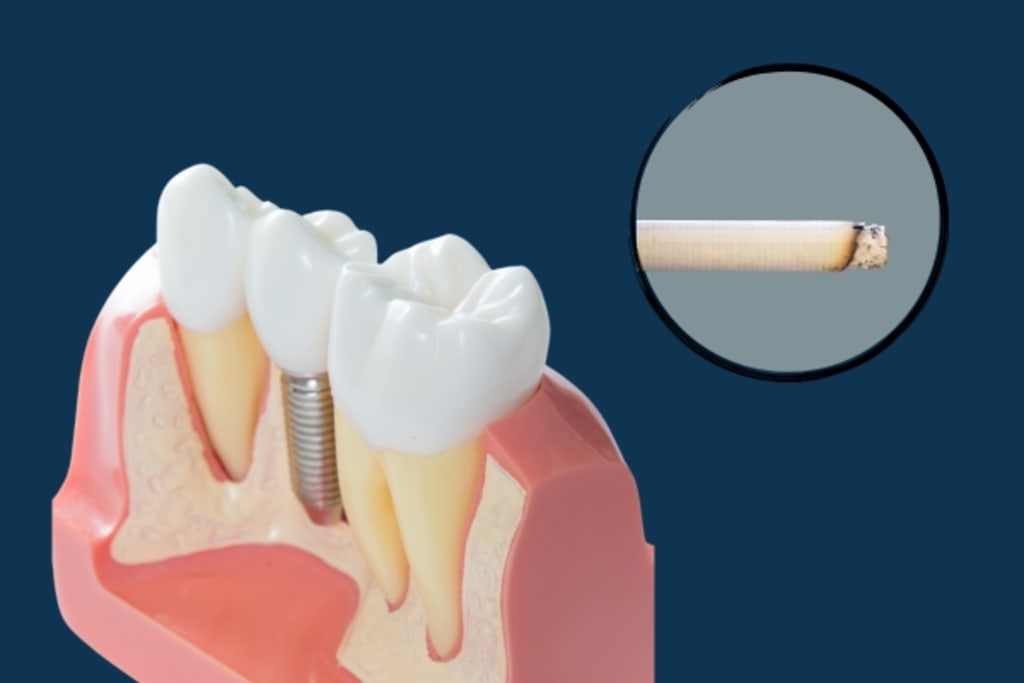
Dental implants are a life-changing solution for those looking to restore their smiles and oral health. However, the longevity of dental implants is heavily influenced by personal habits, and smoking is one of the most harmful. Smoking can significantly impact the success and durability of dental implants, jeopardizing their function and aesthetic value. This blog explains the risks associated with smoking, its effects on implants, and practical ways to ensure your implants last for years to come.
How Smoking Impacts Healing After Implant Surgery
The healing phase is crucial for the success of dental implants. Smoking interferes with this process by reducing blood flow and delivering toxins like nicotine and carbon monoxide to the tissues. This slows down the integration of the implant with the jawbone, known as osseointegration, making the implant less stable.
Studies show that smokers are at a much higher risk of implant failure during the healing phase. Even light smoking can delay recovery, causing complications that non-smokers are less likely to face.
Tips for Better Healing:
- Avoid smoking for at least two months after surgery.
- Consider using nicotine replacements like gum or patches to reduce cravings.
- Keep the implant site clean by following your dentist's aftercare instructions.
Increased Risk of Peri-Implantitis
Peri-implantitis, a severe infection that affects the tissues around the implant, is more common in smokers. The chemicals in tobacco weaken the immune system, making it harder for your body to fight off infections. Smoking also increases plaque buildup and reduces saliva flow, both of which contribute to gum inflammation and bone loss around the implant.
If left untreated, peri-implantitis can cause the implant to fail completely.
How to Prevent It:
Maintain excellent oral hygiene by brushing twice daily and flossing.
Use antimicrobial mouthwash to control bacteria levels.
Visit your dentist regularly for professional cleanings and check-ups.
Smoking and Bone Health
Healthy bone structure is essential for dental implants to remain secure. Smoking accelerates bone resorption, weakening the jawbone over time. Nicotine interferes with the production of bone cells, which affects the implant's ability to stay firmly in place.
This ongoing bone loss not only threatens the implant but can also alter the shape of your jaw, affecting your overall appearance.
Strengthen Your Bones:
Include calcium-rich foods like milk, cheese, and leafy greens in your diet.
Stay active with weight-bearing exercises to improve bone density.
Talk to your dentist about supplements if you’re at risk for bone loss.
Long-Term Impact on Implant Longevity
Smoking continues to affect implants long after the healing period. Smokers often experience gum recession, discoloration of tissues, and implant instability over time. This means that even a successful implant can become a problem if smoking persists.
Implants are a significant investment, and smoking can reduce their lifespan, leading to additional treatments and costs.
Tips for Long-Term Care:
Commit to quitting smoking entirely to protect your oral and overall health.
Replace smoking with healthier habits like chewing sugar-free gum or drinking water.
Stay consistent with dental appointments to monitor the condition of your implants.
Practical Tips for Maintaining Dental Implants
Quit Smoking: The single most effective way to protect your implants is to quit smoking. Seek support from professionals or groups if you need help.
Brush and Floss Daily: Proper oral hygiene prevents plaque buildup and reduces the risk of infections.
Stay Hydrated: Drinking water throughout the day helps wash away bacteria and maintain saliva production.
Eat a Balanced Diet: Incorporate foods rich in nutrients that promote bone and gum health.
Regular Dental Visits: Schedule routine check-ups to catch and address any potential problems early.
Final Thoughts
The longevity of dental implants relies on the choices you make every day. Smoking is a habit that not only affects your overall health but also significantly reduces the success and lifespan of dental implants. From interfering with healing to increasing the risk of infections and bone loss, the damage caused by smoking is extensive and preventable.
If you’re a smoker with dental implants—or considering them—this is your chance to take control of your health. Quitting smoking and adopting a proactive approach to oral hygiene can ensure your implants last a lifetime. A little effort today can save you from complications tomorrow and help you enjoy the full benefits of a healthy, confident smile.
Take the first step toward protecting your dental implants by making positive changes today. Your smile will thank you!
About the Creator
Lakeview Family Dentistry Hugo: Dr. Drew Carrell
Dr. Drew Carrell has been caring for Hugo smiles since 2015. We are proud to provide comprehensive dental care in the Hugo and surrounding areas including Forest Lake, White Bear Lake, Lino Lake and Quad City.
Enjoyed the story? Support the Creator.
Subscribe for free to receive all their stories in your feed.
Comments
There are no comments for this story
Be the first to respond and start the conversation.