
How Sleep Apnea Affects Children and What Parents Should Know
Uncovering the hidden effects of disrupted sleep in growing kids

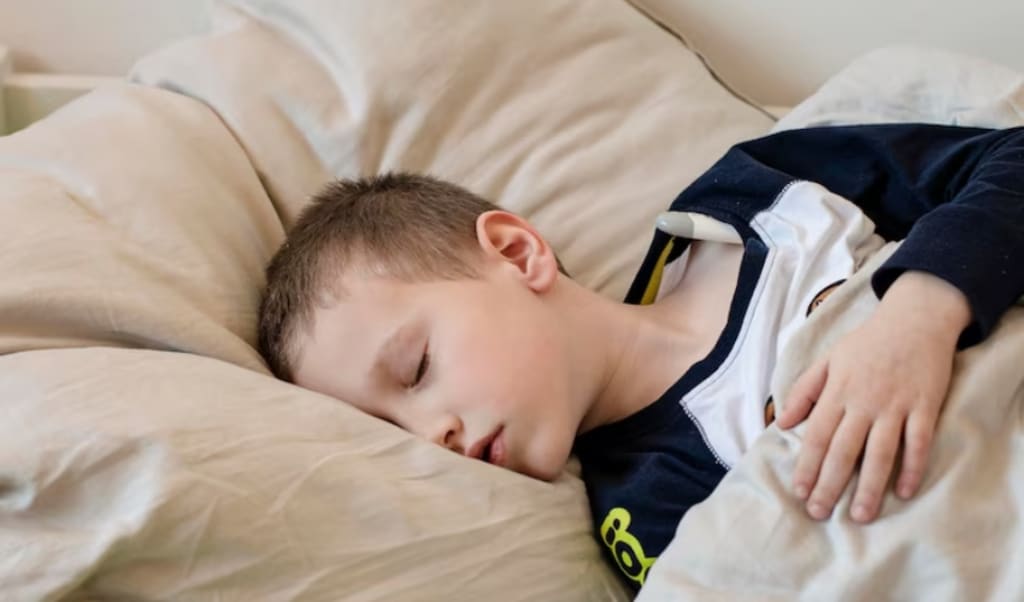
Sleep apnea doesn’t only affect adults. Children can also suffer from this disruptive sleep disorder, and the signs aren’t always obvious. Pediatric sleep apnea typically involves obstructed breathing during sleep, which can lead to fragmented rest and oxygen deprivation. This condition often results from enlarged tonsils or adenoids, excess weight, or structural differences in the face and jaw.
Children with sleep apnea may snore loudly, breathe through their mouths, or experience pauses in breathing at night. Unlike adults who may feel sleepy the next day, children often display hyperactivity, difficulty focusing, or emotional instability. It’s easy to mistake these symptoms for behavioral issues or attention disorders, which is why many cases go undiagnosed.
How Sleep Apnea Disrupts Brain Development
Sleep is vital for growing minds. During deep sleep, a child’s brain processes information, stores memories, and supports cognitive development. Sleep apnea fragments this critical rest cycle, which limits the time spent in deep sleep stages.
As a result, children may have difficulty with problem-solving, memory retention, and learning new skills. In school, this can appear as falling grades or difficulty staying focused. Over time, these cognitive struggles can impact a child’s confidence and social development, making early intervention critical.
Behavioral Red Flags Parents Often Miss
While many parents notice loud snoring or mouth breathing, behavioral signs are often overlooked. Kids with sleep apnea may be misdiagnosed with ADHD or mood disorders because their symptoms include irritability, impulsiveness, or poor concentration.
Other behavior-related signs include:
- Frequent temper tantrums
- Struggles to follow instructions
- Restlessness, even after a full night in bed
- Night terrors or sleepwalking
These signs can escalate if the root issue—poor sleep quality—remains unresolved. Identifying the connection between behavior and sleep issues can make a major difference in a child’s daily life and overall development.
Physical Signs That Signal Trouble
Sleep apnea also leaves physical clues. One of the most noticeable signs is chronic fatigue. Even after what appears to be a full night’s sleep, a child might still wake up groggy, complaining of headaches or showing low energy levels throughout the day.
Other common physical signs include:
- Bedwetting beyond the typical age
- Enlarged tonsils
- Dry mouth upon waking
- Dark circles under the eyes
- Difficulty waking up in the morning
If your child shows a combination of these symptoms, it’s worth discussing sleep issues with a pediatrician or a dental professional who is experienced in airway health.
The Long-Term Health Risks You Shouldn’t Ignore
Untreated sleep apnea can take a toll on a child’s overall well-being. Beyond poor academic performance or behavioral struggles, the condition can also increase the risk for serious health concerns.
Long-term risks include:
- Delayed growth due to disrupted growth hormone cycles
- Obesity caused by hormonal imbalances and poor sleep habits
- High blood pressure from repeated drops in oxygen levels
- Heart complications in severe cases
These risks highlight the importance of early diagnosis and treatment. Fortunately, several options are available to manage or even eliminate the condition in children.
How Pediatric Dentistry Can Help Identify Sleep Apnea
Dentists play a surprising yet important role in detecting sleep apnea in children. During routine dental visits, professionals check for signs such as teeth grinding, misaligned jaws, or high palates—indicators of airway restriction.
A well-trained dental team can evaluate jaw growth and airway space to determine if your child is at risk. In many cases, dental professionals collaborate with pediatricians and sleep specialists to guide parents through diagnosis and treatment.
Some children benefit from oral appliances that keep the airway open, while others may need a referral for ENT evaluation, especially if enlarged tonsils or adenoids are the cause.
Simple Home Habits That Can Support Better Sleep
While medical support is often necessary, parents can take steps at home to improve their child’s sleep quality. Establishing a bedtime routine helps set a consistent circadian rhythm, signaling to the brain when it’s time to rest.
Here are a few habits that make a difference:
- Limit screen time at least an hour before bed
- Encourage physical activity during the day
- Avoid caffeine and sugary snacks in the evening
- Keep the bedroom dark, cool, and quiet
- Use white noise machines for children who wake easily
Also, teaching your child to breathe through their nose instead of their mouth can help promote better airflow. If mouth breathing persists, it may point to structural issues that need evaluation by a dental or medical professional.
When to Seek Professional Help
If your child shows signs of sleep apnea and lifestyle changes don’t improve the situation, don’t hesitate to reach out to a professional. Start with your pediatrician, who may recommend a sleep study to monitor breathing patterns overnight.
In some cases, a general dentist in Baymeadows can play an essential role in your child’s treatment plan, especially if the airway issues are related to jaw development or bite alignment. Modern dental techniques allow for early intervention that can prevent the condition from worsening over time.
Parents’ Role in Ongoing Sleep Wellness
Once a diagnosis is made, ongoing monitoring is key. Children grow quickly, and changes in their face and airway can affect how sleep apnea progresses. Keep an open line of communication with healthcare providers, and don’t ignore new symptoms.
Also, make sleep a family priority. Model good sleep hygiene, respect your child’s bedtime routine, and avoid overscheduling activities that cut into evening wind-down time.
Being proactive helps your child develop not just good sleep, but better overall health, stronger focus, and improved behavior. Most importantly, it restores their energy to enjoy childhood to the fullest.
Final Thoughts for Concerned Parents
Sleep apnea in children often hides behind everyday behavior and physical complaints. However, recognizing the signs early can protect your child’s health and development. Trust your instincts if something feels off, and don’t delay in seeking expert advice.
If you’re looking for guidance and support, a General Dentist Baymeadows can help evaluate your child’s airway and collaborate with specialists to ensure they get the right care. Addressing the problem now lays the foundation for a healthier, more vibrant future for your child.
About the Creator
Baymeadows Park Dental
Baymeadows Park Dental in Jacksonville, FL offers family-friendly, modern dental care. From cosmetic and sedation dentistry to implants and emergency services, we’re here to keep your smile healthy and bright in a comfortable setting.
Enjoyed the story? Support the Creator.
Subscribe for free to receive all their stories in your feed.
Comments
There are no comments for this story
Be the first to respond and start the conversation.