
How Safe is Ketamine Therapy? What You Need to Know
Explore the types, benefits, risks, and effectiveness of ketamine therapy to understand how it works and whether it's a safe option for managing treatment-resistant mood disorders.
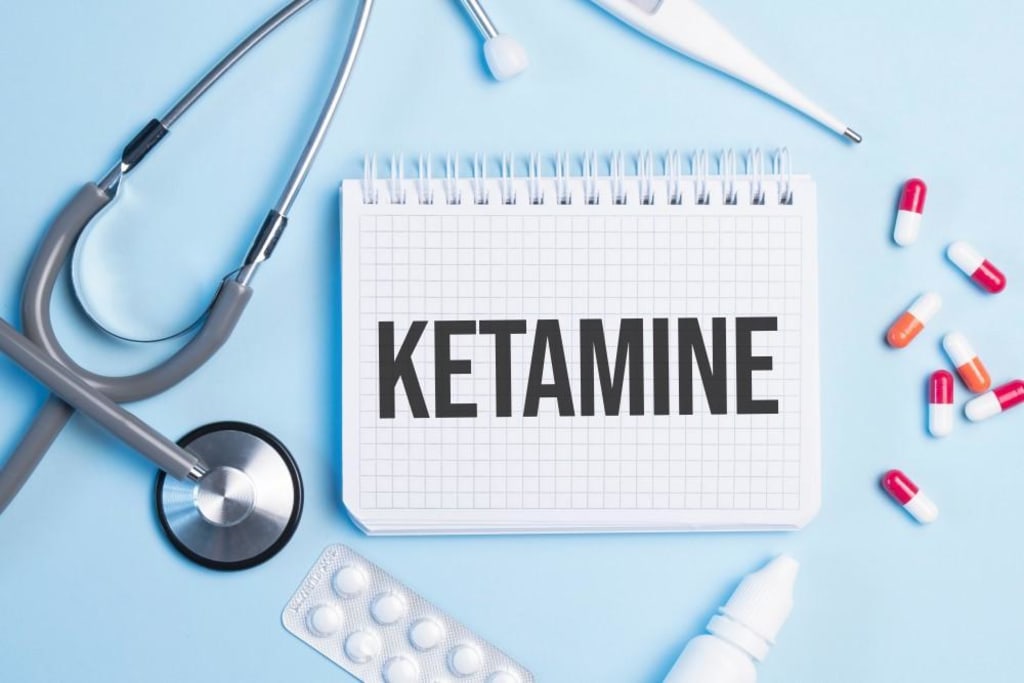
Medical research has introduced ketamine therapy as an innovative therapeutic solution for major depressive disorders in addition to severe anxiety and PTSD and other mental conditions. Ketamine was first developed as a medical anesthetic in the 1960s yet proved to extend its applications beyond being a sedative. Scientists have learned that administering controlled amounts of ketamine can quickly resolve mood disorders which fail to improve from standard treatments.
Ketamine therapy operates faster than conventional antidepressants because it delivers immediate results starting from hours up to days thus benefiting patients who experience suicidal thoughts and depression. Although the therapy shows significant evidence of effectiveness and increases in popularity there are ongoing discussions about its clinical applications.
Types of Ketamine Therapy
Medical professionals use multiple ketamine administration methods based on the required level of treatment and care for individual patients. The different basic types influence how patients encounter the treatment as well as their treatment speed and access convenience levels. These are the fundamental treatment methods that use ketamine therapy in present-day medical practice.
1. Intravenous (IV) Infusion
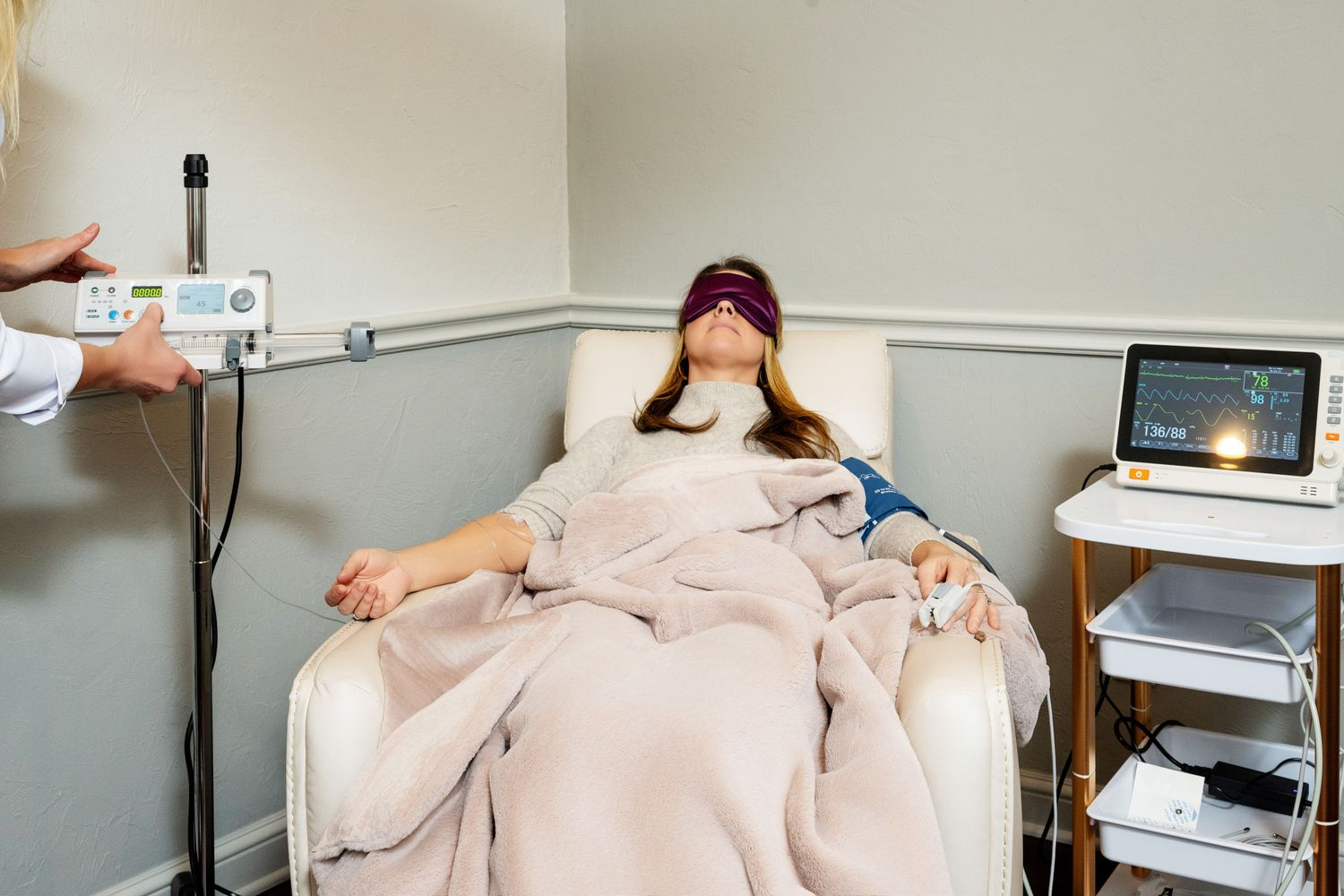
Medical clinics adopt this approach to administer ketamine through their professional supervision. The healthcare provider administers ketamine into the body through a steady intravenous drip during an IV infusion. About an hour to an hour and a half constitutes the average time needed to safely absorb ketamine into the bloodstream through this therapy method. People who have depression or PTSD that resists typical treatment methods usually experience immediately visible effects that come from receiving IV infusions.
2. Intramuscular (IM) Injection
Administration of the IM injection provides a quicker delivery pathway compared to receiving ketamine through the IV infusion. The medical staff injects ketamine through muscle tissue and most commonly administers it in the upper arm or thigh area. The administration of ketamine through this method gives patients effective relief although IV infusions are more frequently used. Administrative staff use IM injections to treat patients when they struggle with IV procedure access and the treatment course requires a brief duration. The treatment effects achieved with IM injections equal those of IV infusion treatments but the patient feels their medicine taking effect more rapidly.
3. Oral Lozenges (Troches)
Those who require oral ketamine treatment can use lozenges and tablets that turn into a dissolvable form inside the mouth. Hospital caretakers employ oral lozenges (troches) during maintenance sessions following previous IV or IM therapeutic administrations. Oral ketamine provides patients with the advantage of being a convenient treatment option for long-term home-based management because of its lower potency rate. People who want to avoid continuous trips to the clinic can use affordable oral lozenges as a non-invasive treatment option.
4. Nasal Spray (Spravato)
Spravato (esketamine) operates as an FDA-approved nasal spray to treat depression which proves effective for patients who have not responded to standard medicinal therapies. The medical staff administers this treatment in a clinic which holds proper certification. The insurance company coverage of Spravato nasal spray makes this treatment method more affordable for certain patients. Rapid relief emerges from this treatment approach in a manner comparable to intravenous ketamine while medical professionals sometimes utilize it together with oral antidepressants for enhanced therapeutic results.
How Ketamine Therapy Works
The mechanism of action for Ketamine distinguishes itself from the way SSRIs and SNRIs function as antidepressants. The primary work of traditional antidepressants involves serotonin and dopamine pathways inside the brain yet ketamine functions through brain glutamate which stands as the brain's most prevalent excitatory neurotransmitter. The unique mechanism which distinguishes ketamine from typical antidepressants occurs through its modulation of brain-oriented glutamate regulation.
After receiving ketamine medication patients experience NMDA receptor (N-methyl-D-aspartate) blocking in their brain. The blocking mechanisms of NMDA receptors cause a sequence of changes that enhance glutamate discharge followed by AMPA activation which leads to neuroplasticity stimulation. When humans interact with their environment through experiences or healing their brain maintains its ability to create novel neural pathways by repositioning its existing structures.
During treatment with ketamine the brain’s neural circuits undergo a process that helps establish new connections which specifically impact mood regulation and stress response pathways. The therapy helps patients overcome destructive mental patterns which produce enduring positive effects after concluding just several sessions.
The Benefits of Ketamine Therapy
The medicinal applications of ketamine provide numerous helpful effects specifically targeted toward patients who fail to respond to standard antidepressant medicine or other treatment methods. The following lists several main advantages which ketamine therapy delivers to patients:
1. Rapid Onset of Relief
The main benefit of ketamine therapy lies in its swift treatment action. Ketamine delivers its effects in much shorter time frames than normal antidepressant medications do because they need weeks to produce results. The first treatment with ketamine typically produces relief which lasts into hours and patients may experience long-term effects after just a few treatment sessions. The fast reaction time of ketamine treatment makes it specially useful for crises situations and immediate symptoms of depression and anxiety.
2. Reduction in Suicidal Thoughts
Clinical research has proven that ketamine shortens the delay in lowering suicidal thoughts more effectively than standard psychiatric medications. The administration of ketamine results in reduced suicidal thoughts according to clinical study findings that occur within 24 hours after medication delivery. A superior feature of using ketamine is its life-saving function when someone finds themselves in an acute state of emotional emergency.
3. Improvement in PTSD and Anxiety
Tests have proven that Ketamine produces notable symptom decreases for PTSD patients along with those suffering from anxiety. The method through which ketamine modifies emotional memory processing enables patients to sever the continuous stream of intrusive memories and avoid traumatic flashbacks. Trauma victims together with individuals experiencing chronic anxiety often experience better quality life after undergoing ketamine therapy.
4. Enhanced Neuroplasticity
The extended advantage of ketamine administration consists of its capacity to boost neuroplasticity function in the brain. Neuroplasticity describes the brain's ability to form new neural connections. The growth of synaptic connections led by ketamine treatment helps patients create better emotional regulation and establish healthful thoughts which allows them to integrate ideas from psychotherapy.
Disadvantages and Safety Concerns
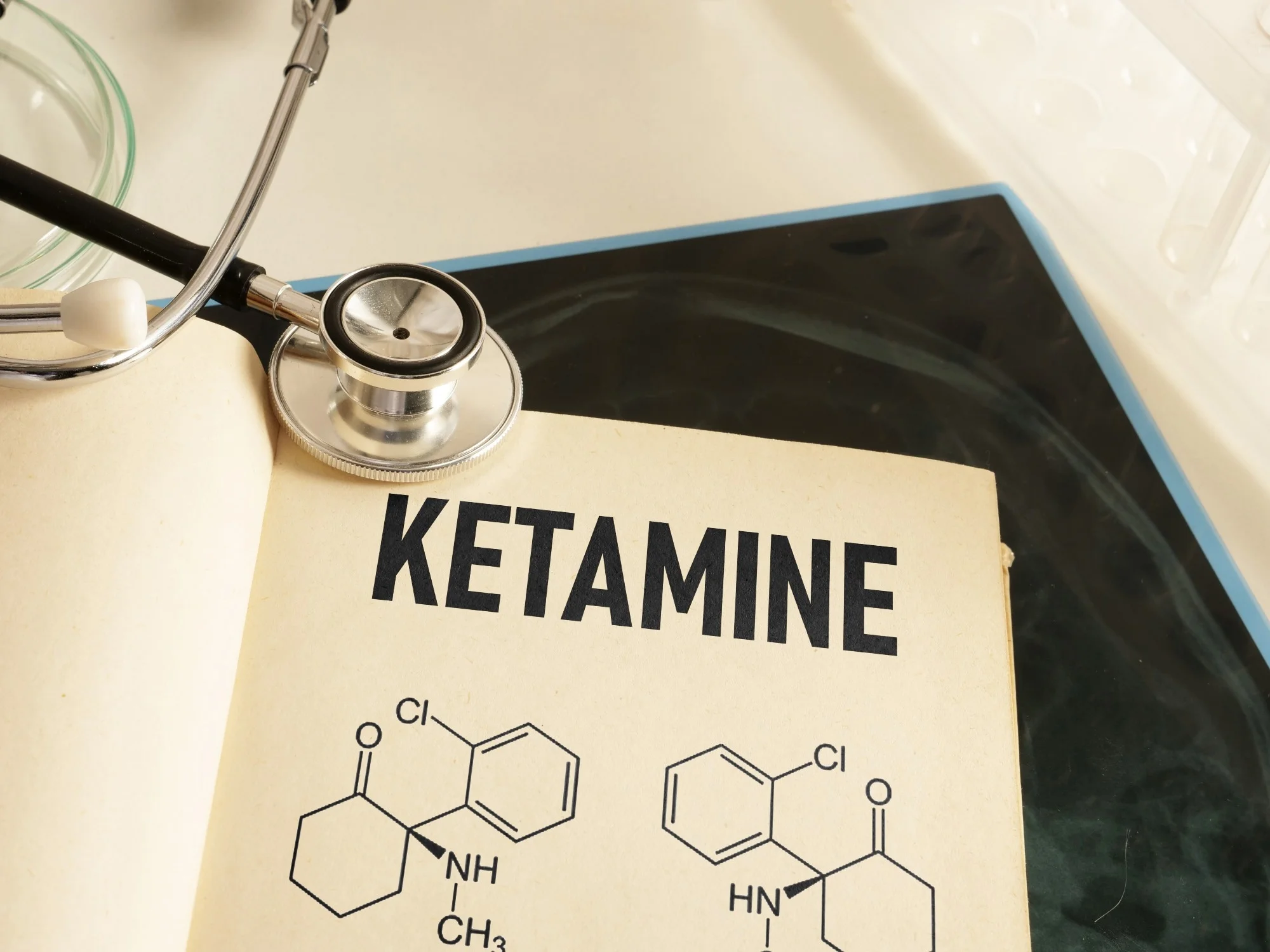
The therapeutic values included in ketamine therapy come with potential disadvantages and related risks which must be understood by patients.
1. Risk of Misuse
People misuse ketamine because of its dissociative effects which were previously common at parties and club events. Consecutive reports have created doubts about possible improper use of this substance. Medical facilities regulate ketamine treatments to restrict the danger which comes from nonscientific use.
2. Short-Term Effects Without Long-Term Solutions
The immediate relief of ketamine therapy has short-term duration because its effects do not last long after treatment. When using ketamine therapy patients must supplement it with sustained talk therapy or alternative long-term treatment approaches to keep benefiting from the therapy. When patients do not receive ongoing care treatments the positive effects of ketamine are likely to fade away.
3. High Cost
The main obstacle patients face with ketamine therapy arises from its high expense. Many types of ketamine treatment are excluded from insurance benefits which causes them to be expensive medical procedures. The different payment methods for ketamine therapy require expenditures of between $400 and $800 for each session.
4. Limited Long-Term Data
Although ketamine produces initial positive results particularly in short-term situations scientists need further evidence about its extended safety and efficiency. More research must occur to measure the therapy's long-term effects properly.
Final Thoughts: Is Ketamine Therapy Safe and Effective?
Ketamine therapy provides an innovative treatment method for mood disorders which delivers quick beneficial results to patients with depression, PTSD and anxiety. The rapid time-to-effect of ketamine demonstrates its strength alongside strong brain function enhancement capacity which reduces suicidal thinking in mental health therapy. The use of ketamine therapy needs careful handling and patients should maintain close medical supervision while receiving treatment to ensure therapeutic safety.
Additional research must be conducted to determine complete long-term effects but ketamine treatment stands as a crucial medical approach for people who do not respond to standard prescription drugs. Ketamine stands as a vital component for mood disorder treatment when administered properly thus enabling numerous patients to escape the long-term effects of persistent mental health problems.
About the Creator
KetaMIND Clinics
KetaMIND Clinics in South Africa specialize in ketamine therapy for treatment-resistant depression, PTSD, anxiety, chronic pain, and mood disorders, offering safe, personalized care in a supportive environment.
Enjoyed the story? Support the Creator.
Subscribe for free to receive all their stories in your feed.
Comments
There are no comments for this story
Be the first to respond and start the conversation.