
How Root Canals Save Teeth and Stop Tooth Loss
The Lifesaving Treatment That Preserves Your Natural Smile

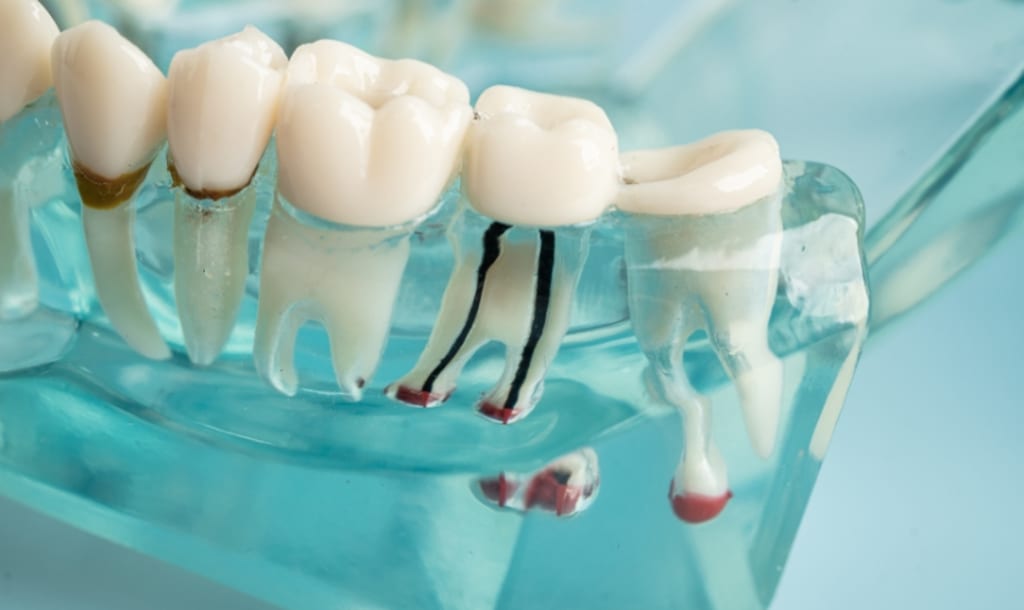
Preserving Natural Teeth for a Lifetime
A damaged or infected tooth can lead to serious complications. Without timely intervention, an infection spreads, causing pain and eventually leading to tooth loss. This is where a root canal procedure becomes essential. It removes infected pulp, cleans the inside of the tooth, and seals it to prevent further issues. Instead of extracting the tooth, dentists restore it, ensuring functionality and aesthetics remain intact.
Why Tooth Infections Should Not Be Ignored
Ignoring a tooth infection can have severe consequences. The infection doesn’t just stay in one place—it spreads to surrounding tissues, causing abscesses and even affecting overall health. Common signs of infection include sensitivity to hot or cold, persistent toothache, swelling, and gum tenderness. If left untreated, it can lead to bone loss in the jaw and systemic health complications. Root canal therapy eliminates the infection before it causes irreversible damage.
Understanding the Root Canal Process
Step 1: Diagnosis and Examination
Dentists begin by assessing the tooth using X-rays to identify the extent of damage. If the pulp inside is inflamed or infected, root canal therapy is recommended.
Step 2: Removing the Infected Pulp
After numbing the area, the dentist drills a small opening in the tooth. The infected pulp, consisting of nerves and blood vessels, is carefully removed to stop the spread of bacteria.
Step 3: Cleaning and Disinfecting
The inner chamber is cleaned thoroughly and disinfected to remove residual bacteria. This step is crucial to prevent reinfection and ensure long-term success.
Step 4: Sealing the Tooth
Once the area is bacteria-free, the chamber is filled with a biocompatible material to reinforce the structure. The opening is sealed with a temporary or permanent filling.
Step 5: Restoring the Tooth
In most cases, a crown is placed over the treated tooth. This restores strength, functionality, and aesthetics, allowing the tooth to function like a natural one.
The Importance of Saving Natural Teeth
Losing a tooth affects more than just appearance. It impacts chewing ability, speech, and jawbone health. A missing tooth leads to bone resorption, where the jawbone deteriorates over time. Neighboring teeth may shift, causing alignment issues and bite problems. A root canal helps maintain natural tooth structure and prevents unnecessary tooth extractions.
Root Canals Versus Tooth Extraction
Why Choose a Root Canal Over Extraction?
Some assume pulling a damaged tooth is the best solution. However, extraction leaves a gap that requires a replacement, such as a dental implant or bridge. These options are more invasive and expensive. A root canal, on the other hand, preserves the original tooth, maintaining jawbone integrity and natural bite alignment.
The Recovery Process
Root canal recovery is often smoother than an extraction. After the procedure, mild discomfort is common, but it subsides within a few days. Over-the-counter pain relievers help manage any soreness. Patients can resume daily activities quickly, unlike the prolonged healing process associated with tooth removal and replacement.
Debunking Myths About Root Canals
Myth 1: Root Canals Are Painful
Many believe root canals are excruciating. In reality, modern techniques and anesthesia make the procedure no more uncomfortable than a standard filling.
Myth 2: Tooth Extraction Is Better
Some think removing the tooth is easier. However, extraction leads to complications, such as bone loss and shifting teeth, which require additional treatments.
Myth 3: Root Canals Cause Illness
A long-standing myth claims root canals lead to other health issues. There is no scientific evidence supporting this. Root canal procedures eliminate infection, promoting better oral health.
Post-Treatment Care for Long-Lasting Results
To ensure the success of a root canal, proper aftercare is essential. Patients should follow these guidelines:
- Maintain good oral hygiene by brushing and flossing regularly.
- Avoid chewing hard foods until the treated tooth is fully restored.
- Attend follow-up visits to monitor healing and receive a permanent crown if necessary.
- Limit sugary foods and acidic beverages that can weaken enamel.
When to Seek a Root Canal
If you experience persistent tooth pain, extreme sensitivity, or swollen gums, a root canal may be necessary. Early detection prevents further complications and saves the tooth. Regular dental checkups help identify problems before they become severe.
The Role of Root Canal Therapy in Overall Health
Oral health is closely linked to overall well-being. Untreated dental infections contribute to systemic conditions like heart disease and diabetes. By undergoing a root canal, patients eliminate harmful bacteria, reducing the risk of health issues beyond the mouth.
Root canals not only save teeth but also protect long-term health. With advancements in dental technology, the procedure is more effective and comfortable than ever. If you’re in need of expert care, consider Root canal Treatment Union for preserving your natural smile.
About the Creator
Duo Dental Group Union
Duo Dental Group Union is your top-rated dentist Union! We're here to help you with your dental care needs. Stuck in a dental emergency? We've got you covered! Our emergency dentists provide prompt assistance to dental emergencies.
Enjoyed the story? Support the Creator.
Subscribe for free to receive all their stories in your feed.
Comments
There are no comments for this story
Be the first to respond and start the conversation.