
How Retailers Are Using AI to Close the Gap Between VM Strategy and Store Execution
Retail Visual Merchandising Is Becoming an AI-Driven Discipline

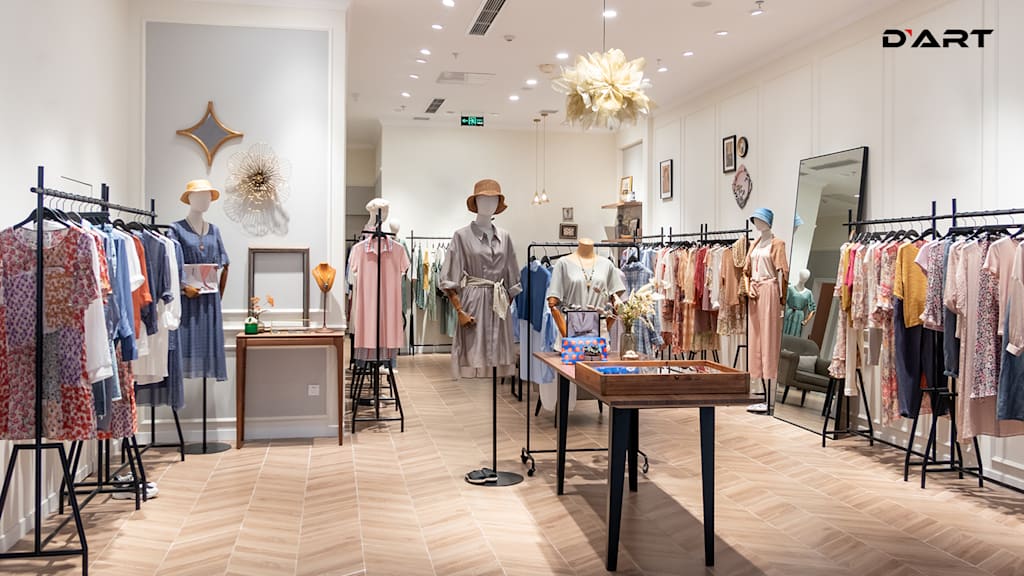
Every now and then, stepping into different locations of one company reveals something odd. On paper, everything seems matched - colors, fonts, layouts. Still, what stands in front of customers rarely follows the plan. Some spots get it right. Others miss completely. One display meant to draw attention instead piles things high without order. Another setup built for meaning winds up looking discounted, even if nothing is marked down. Some folks at headquarters keep asking what went wrong with the campaign. Meanwhile, workers in stores shift tasks without saying much just to get through the hours.
Reality often bends creativity in retail displays. Once shaped by gut feel, sharp leads, the flow of holiday pushes - those forces hold weight even now. They simply share space. New pressure comes from numbers, repeated tweaks, systems learning patterns no human could track. Art does not vanish - it shifts ground.
The Execution Gap Everyone Sees
Leadership crews already know execution wobbles - stats just back it up. Nearly seven out of ten stores name uneven display setups as a top headache. What you see walking store aisles lines right up with those numbers.
Right where decisions meet doing, things start to slip. From above comes the blueprint - strategy drawn, displays mapped, message areas marked, rules sent down. Down below, workers make sense of it all while short on people, waiting on trucks, running neighborhood deals, handling whatever crisis just popped up. What shows up in reality? A patchwork.
One false step leads to ripple effects down the line. A product set might shine like luxury in a flagship shop yet feel bargain-bin elsewhere. When spotlight items land just shy of their intended spot, revenue slips through fingers. Complementary pieces often vanish before reaching the display they were designed for. Slowly, money spent on polished campaigns fades without ever touching shoppers’ eyes.
Ai Begins Reshaping The Layout
Out there, artificial intelligence reshapes the birth of merchandising plans. Instead of waiting weeks for people to draft and revise, software gobbles up numbers - sales figures, shopper paths, shelf sizes, neighborhood traits - and spits out store maps fast. Thousands of products? Dozens of display kinds? That noise doesn’t matter. Computation cuts through it all. What emerges arrives already tuned.
Right there at the core lies how people act when buying. Instead of guessing, systems dig into what shoppers put in carts, where they walk inside shops, and how they interact - spotting which product pairings lift spending while others slowly eat into profits. Thanks to movement patterns, arranging shelves stops being a single renovation job; it becomes something always adjusting.
Some forty five percent of shops now apply artificial intelligence to personalize how they show products, most often beginning online. What changes things is when this approach moves into actual storefronts. Once fixed displays begin acting different - more alive - as if learning from what shoppers really do.
When Screens Show More Than Just Images
Once, merchandising meant mannequins, risers, even posters on walls. Now, those basics hang around - yet pixel-lit panels creep in beside them. Mirrors that respond to motion appear where static ones stood before. Instead of just signs, stores offer touchpoints that react. Blending promotion into place happens quietly, step by subtle step. What felt like separate ideas now fold together without notice.
Above the shoe section, screens play footage of each pair handling actual street use. Instead of swatching, people at makeup counters wave hands in front of glowing mirrors to see color on skin. Shelves with built-in touchpads let someone pick what matters - cost, fabric, purpose - and nearby panels shift to match. Stores keep installing them because four out of ten guests pause long enough to interact, sometimes even six. Static setups rarely pull crowds like that, so budgets follow where attention goes.
Midday hits, then screens adjust themselves. Store corners reshape when Saturday rolls in. What sells downtown might pop up uptown by Tuesday. Flip a switch, swap the message - no paper needed.
Beauty and Fashion as a Testing Ground
Fashion and beauty labels lead this change, mainly since their world encourages trying new things. Inside select shops, a makeup seller's high-tech mirror collects quick reactions - spotting what items people test digitally, which styles boost extra buys, sometimes showing how fast browsing turns into buying.
A tap on a screen near a dummy brings up sizes, shades, different looks - no more guessing. One moment it's just display, next it answers questions. Information appears when touched, turning fabric stands into quiet helpers. With each touch, the system notes what draws attention, building insight without noise. Buying might happen right there, or the person simply moves toward the clothes already chosen. What once stayed silent now listens, adapts, responds.
Future Paths in Visual Merchandising
Soon, visual merchandising crews might stop fixating on where one item sits. Instead, they could build flexible setups shaped by live feedback. Layouts may come from smart software hints. Shoppers’ actions might expose hurdles right away. Store numbers updating by the minute could show what displays grow - and which fade without fuss.
Stories must stay real, even as numbers start to guide them. Windows ought to catch eyes just like before. Creativity remains fixed at the heart of shop displays. What shifts is how choices are made - when, where, and how big - for those moments people notice. Data flows nonstop now, pulled from shelves, sensors, screens. That flow shapes the plan behind every scene.
Now here's something real. AI isn’t coming to visual merchandising - already there. What matters shifts underfoot: how your people, allies, shape moves alongside it. Try this instead of big leaps: choose one area, maybe just a store type. Mix what you make now with a tool that learns, or team up with those who blend images and numbers well. Watch what happens compared to how things run today.
When we look closer, it becomes clear which path your visual merchandising will follow in the coming years: shaped mostly by habit and preference, yet guided also by real insight into how shoppers behave once they walk through your doors.
About the Creator
D'Art Design
D’Art Design is a leading global retail design agency. We integrate tactic to provide outstanding experiences, through brand communication and activation, brand design, promotion, and interior design.
Enjoyed the story? Support the Creator.
Subscribe for free to receive all their stories in your feed.
Comments
There are no comments for this story
Be the first to respond and start the conversation.