
How Regular Dental Cleanings Improve Your Oral Health
Discover the long-term benefits of staying consistent with dental cleanings.

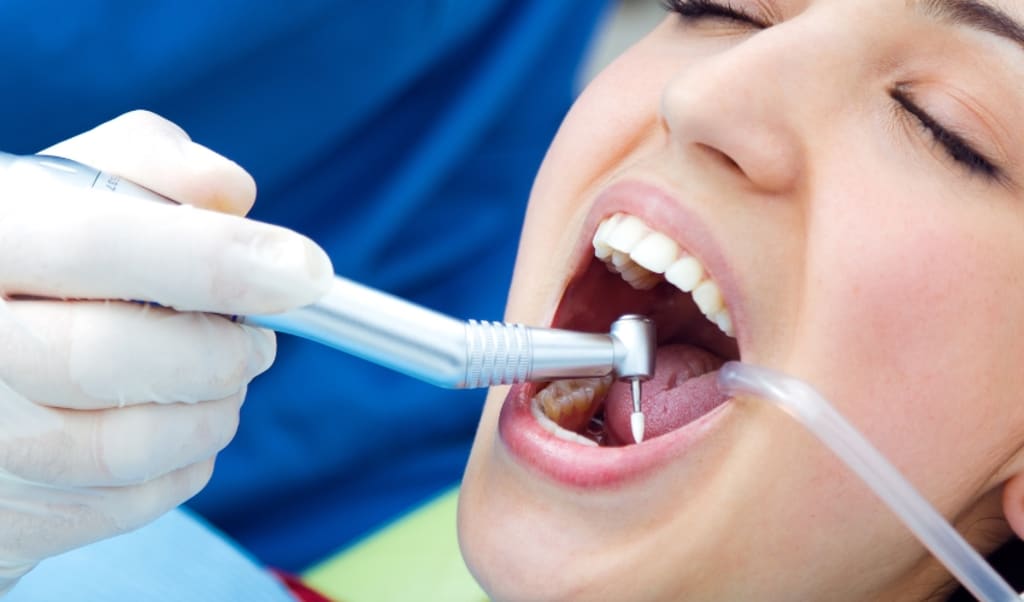
Missing dental cleanings might not seem like a big deal, but it can lead to serious issues. Plaque and tartar build up faster than many people think. Brushing and flossing at home helps, but they can't remove hardened deposits completely. Over time, these layers can irritate your gums and promote decay. The result? Inflammation, infection, or even bone loss if left untreated.
Regular cleanings are your first defense against such problems. Dental professionals use special tools to remove plaque and tartar effectively. They can also spot early signs of trouble. The sooner a problem is found, the easier and less expensive it is to fix.
Protecting Gum Health with Routine Visits
Your gums are the foundation for a healthy smile. If they become inflamed or infected, the support system for your teeth weakens. Gum disease can start quietly. You might notice a little bleeding when you brush or floss. Maybe your breath doesn’t feel as fresh as it used to. These small changes are often the early signs of gingivitis.
During a cleaning, your dental hygienist checks your gums for signs of recession, pockets, and inflammation. Scaling and polishing help stop the disease from progressing. By catching problems early, you can avoid complex treatments like deep cleanings or surgeries. Healthy gums are vital—not just for your smile, but for your overall wellness too.
Cleanings Lower the Risk of Tooth Decay
Cavities don’t always cause pain right away. Many start small and grow over time. When plaque sits too long on your teeth, bacteria begin to break down enamel. Once that protective layer is damaged, decay can spread quickly. Fluoride treatments during cleanings can strengthen your enamel and protect against these threats.
Dental professionals use diagnostic tools like X-rays to detect cavities in places you can't see or feel. Treating a cavity early means you may only need a small filling. If you delay treatment, it could turn into a root canal or even tooth loss. Cleanings, paired with timely exams, help keep these problems from progressing.
Your Smile Looks and Feels Better
Polished teeth don’t just feel smooth—they shine. Daily habits like drinking coffee, tea, or wine can stain your enamel. Tobacco use makes the issue even worse. While brushing can remove some surface discoloration, professional polishing lifts deeper stains.
A clean smile doesn’t only look better; it boosts your confidence. You’ll feel more comfortable speaking, smiling, and laughing. Knowing your teeth are clean gives you peace of mind. Plus, hygienists can give personalized advice to help you maintain your bright results between visits.
Supporting Whole-Body Health
Your mouth is connected to the rest of your body more than you might realize. Studies show strong links between oral infections and health conditions such as heart disease, diabetes, and stroke. Inflammation in your gums can release harmful bacteria into your bloodstream.
By reducing inflammation and infection through regular cleanings, you’re helping more than your mouth. For those with diabetes or heart conditions, this care becomes even more critical. A cleaner mouth reduces the strain on your immune system and supports long-term wellness.
Kids Benefit from Regular Cleanings Too
Establishing healthy habits early sets the stage for lifelong oral health. Children who see a dentist regularly learn that cleanings are part of staying healthy—not something to fear. It also gives parents a chance to catch developmental issues early, such as misalignment or enamel defects.
Fluoride treatments and sealants can prevent cavities in young teeth. Hygienists often provide fun, age-appropriate tips that encourage kids to brush and floss. Building trust with the dental team during cleanings also reduces anxiety, which helps kids stay consistent with visits as they grow up.
Cleanings Save Money Over Time
Preventive care is far more cost-effective than treatment. It’s easier and cheaper to maintain a healthy mouth than to repair damage. Catching gum disease early might mean a simple cleaning instead of periodontal surgery. Finding a cavity early could prevent a root canal or extraction.
Insurance often covers cleanings twice a year, making them one of the most accessible services in dental care. Even for those paying out of pocket, the investment in routine care pays off. You avoid the expense and discomfort of advanced dental problems.
What to Expect During a Cleaning Appointment
Knowing what happens during a cleaning can ease anxiety. The appointment usually begins with a visual exam. Your hygienist checks your gums, teeth, and tongue. Then, scaling removes plaque and tartar above and below the gum line. Polishing follows, which smooths the surface of your teeth and removes stains.
If needed, you may receive a fluoride treatment. Some visits include digital X-rays to check for hidden decay or bone loss. Your dentist will review the findings and suggest any necessary follow-up. The process is gentle and tailored to your comfort.
How Often Should You Get Cleanings?
For most people, visiting every six months is enough to keep plaque in check. However, some may need more frequent visits. If you have gum disease, a history of cavities, or certain health conditions, your dentist may recommend a different schedule. It’s important to follow the advice that fits your specific needs.
Custom care helps ensure that your dental cleanings support your overall health. Skipping visits makes it harder to manage problems early. Consistency leads to better outcomes and less stress in the long run.
Small Habits That Support Cleanings
Daily care at home boosts the results of your dental cleanings. Brushing twice a day with fluoride toothpaste and flossing once a day are essential. Consider adding an antibacterial mouth rinse if your dentist suggests it. Staying hydrated also helps keep your mouth clean between meals.
Cutting back on sugar and processed foods reduces the fuel bacteria use to create plaque. Crunchy vegetables like carrots and celery naturally scrub your teeth and stimulate your gums. Small habits add up—and they work best when combined with regular professional care.
A Personalized Approach to Oral Health
No two smiles are exactly alike. That’s why your dental team creates a care plan tailored to your needs. Whether you have sensitive gums, wear braces, or are managing a health condition, cleanings can be adapted to keep you comfortable and protected.
A skilled dental hygienist gets to know your unique oral environment. They track changes over time and adjust techniques or tools to suit you. That personal connection makes every cleaning more effective—and more reassuring.
Consistency is Key
One of the biggest advantages of regular cleanings is consistency. Skipping a visit once might not seem like a big deal, but small lapses can allow problems to gain ground. When you stay on schedule, your dentist can track your oral health closely. You stay ahead of issues rather than reacting to them.
Staying consistent also keeps dental anxiety in check. When visits are predictable and positive, fear fades. Regular cleanings create a rhythm that reinforces good habits and builds trust with your care team.
A trusted General Dentist in Frisco can help you stay on track with your preventive care. Whether it's been six months or longer since your last cleaning, there's no better time to schedule a visit.
About the Creator
North Frisco Dental & Orthodontics
Looking for quality dental care in Frisco? North Frisco Dental & Orthodontics offers general dentistry, Invisalign®, implants, crowns, bridges, dentures, oral surgery & more—all in a modern, comfortable office with a dental team.
Enjoyed the story? Support the Creator.
Subscribe for free to receive all their stories in your feed.
Comments
There are no comments for this story
Be the first to respond and start the conversation.