
How Proper Screen Printing Drying Improves Print Quality
Discover how proper screen printing drying affects print durability, color vibrancy, curing consistency, and overall quality for long-lasting professional results.

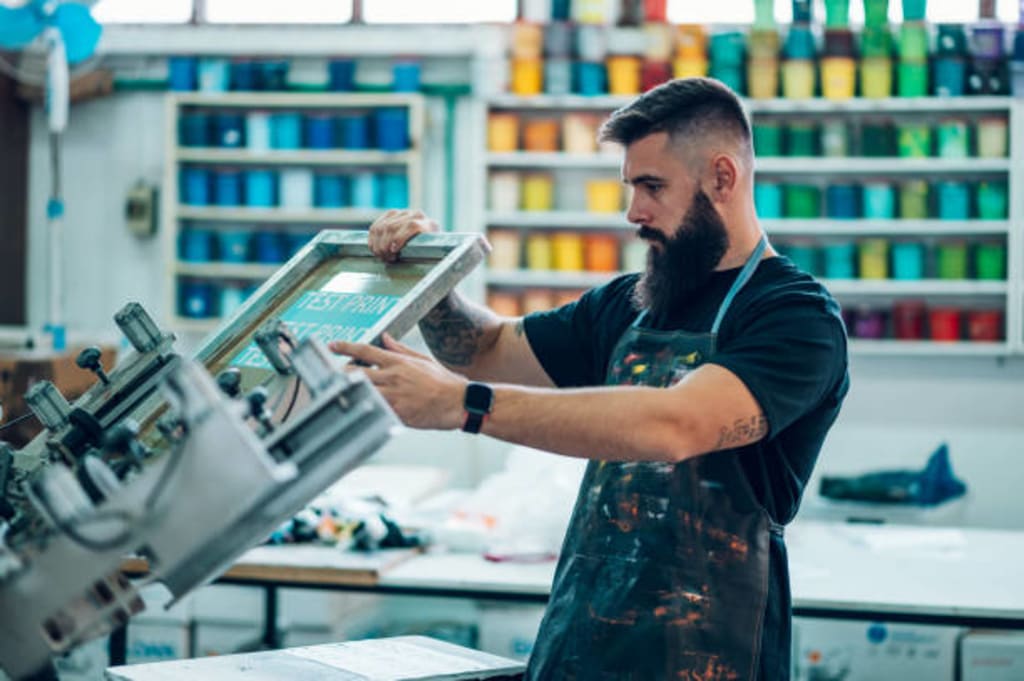
A few months into running a small apparel shop, Jake thought he had finally figured out his printing process. His designs looked sharp coming off the press, colors were vibrant, and customers seemed happy. Then the complaints started. Some shirts showed cracking after a few washes. Others felt sticky even days after production. At first, he blamed the ink.
After a closer look, the problem was not the artwork, the screens, or the ink itself. The real issue was screen printing drying. Shirts were leaving the shop before the ink had properly dried and cured. Once Jake adjusted his drying process, customer complaints dropped, and the quality of his prints improved noticeably.
Stories like this are common in the screen printing industry. Many printers focus heavily on artwork preparation, screen mesh selection, and ink application while overlooking one of the most important steps in the process. Proper drying is what transforms a fresh print into a durable, professional-looking product that can withstand regular wear and washing.
Why Drying Matters More Than Many Printers Realize
A printed design may look finished as soon as it leaves the press, but the work is not actually complete. The ink still needs time and the correct amount of heat to dry properly. If this step is rushed, the print can suffer from several quality issues that may not appear until the garment reaches the customer.
Proper screen printing drying helps ensure that ink bonds correctly with the fabric. This creates a stronger, more durable print surface that resists cracking, fading, and peeling. It also improves color consistency because inks that dry evenly tend to maintain their intended appearance.
Think of it like painting a room. Fresh paint may look dry on the surface, but touching it too soon can leave marks and imperfections. Screen printing ink behaves in a similar way. Surface dryness and complete curing are not always the same thing.
The Connection Between Drying and Print Durability
One of the clearest benefits of proper drying is improved durability. Customers expect printed garments to survive repeated washing without losing their appearance. When ink is not dried correctly, it can begin breaking down after only a few laundry cycles.
Imagine printing a batch of shirts for a local sports team. The designs look perfect when delivered. After a few weeks of practice and washes, however, the prints start cracking around the edges. In many cases, this issue can be traced back to inadequate drying or curing temperatures.
A properly dried print creates a stronger bond between the ink and fabric fibers. This allows the design to remain flexible while maintaining its color and shape over time. For businesses, that means fewer returns, fewer complaints, and a stronger reputation for quality.
How Temperature Affects Screen Printing Results
Heat plays a major role in the drying process. Different inks require different curing temperatures, but the principle remains the same. Too little heat prevents the ink from fully setting, while excessive heat can damage garments or alter print quality.
Many shops rely on conveyor dryers because they provide consistent temperatures across large production runs. Smaller operations may use flash dryers or heat presses as part of their workflow. Regardless of the equipment being used, consistency is critical.
A common mistake occurs when printers increase production speed without adjusting drying time. Shirts move through the dryer too quickly, leaving the ink only partially cured. The prints may appear finished initially, but fail durability tests later.
Monitoring temperature regularly helps prevent these issues. Even small variations can affect final results, especially when producing large orders where consistency matters.
Better Color Vibrancy Through Proper Drying
Print quality is not only about durability. Appearance matters just as much. Proper drying helps preserve the intended look of a design by allowing pigments to settle and cure correctly.
Consider a bright red graphic printed on a black T-shirt. If the drying process is inconsistent, sections of the print may appear dull or uneven. Customers might not know why the design looks different, but they will notice the lack of professional quality.
Consistent drying supports richer colors and cleaner finishes. This becomes especially important for detailed artwork, halftones, and multi-color prints where visual accuracy is essential. When every shirt in a production run looks the same, customers gain confidence in the brand behind the product.
Preventing Common Production Problems
Many production issues can be avoided through better drying practices. Smudging, ink transfer, tacky surfaces, and premature fading are often linked to insufficient drying time or incorrect temperatures.
For example, a printer completing a rush order may stack freshly printed garments before they have fully dried. The result can be ink transfer between shirts, creating costly reprints and wasted materials. Allowing proper drying time helps eliminate these risks and keeps production moving smoothly.
Good airflow also contributes to successful drying. In humid environments, moisture in the air can slow the process and affect consistency. Maintaining a controlled workspace helps create more predictable results and reduces surprises during production.
Choosing Equipment That Supports Quality
The drying equipment used in a shop directly influences print quality. While high-end systems may offer advanced controls and increased production capacity, even basic setups can deliver excellent results when used correctly.
The key is understanding the requirements of the ink being used and ensuring the equipment can consistently meet those needs. Reliable screen printing equipment often pays for itself by reducing errors, minimizing waste, and improving customer satisfaction.
Many growing businesses eventually invest in improved drying systems because they recognize the impact on both efficiency and product quality. Better drying capabilities often translate into fewer production headaches and stronger long-term results.
Looking Ahead to Better Prints
As screen printing continues to evolve, quality expectations continue to rise. Customers want garments that look great on day one and maintain that appearance after months of use. Achieving that standard requires attention to every stage of production, especially drying.
Proper screen printing drying is more than a final step. It is a quality-control process that protects the time, effort, and materials invested in every print. Whether producing custom apparel, promotional products, or retail merchandise, taking drying seriously can make the difference between average results and professional-quality work.
The next time a freshly printed shirt comes off the press, remember that the journey is not over. Giving the drying process the attention it deserves can lead to stronger prints, happier customers, and a more successful printing operation in the future.
About the Creator
Deborah Larson
Deborah Larson is a professional writer and lifelong learner who shares her knowledge, insights and creative thoughts through her blog.
Enjoyed the story? Support the Creator.
Subscribe for free to receive all their stories in your feed.
Comments
There are no comments for this story
Be the first to respond and start the conversation.