
How Proofreading Can Boost Your Business Writing: A Guide for Professionals
Writing business well is essential for success in the workplace. Your reputation can be made or broken by the way you write, whether you're creating marketing collateral, a report, or an email. In today's hectic business environment, precision, professionalism, and clarity are crucial. Here's where proofreading comes into play.
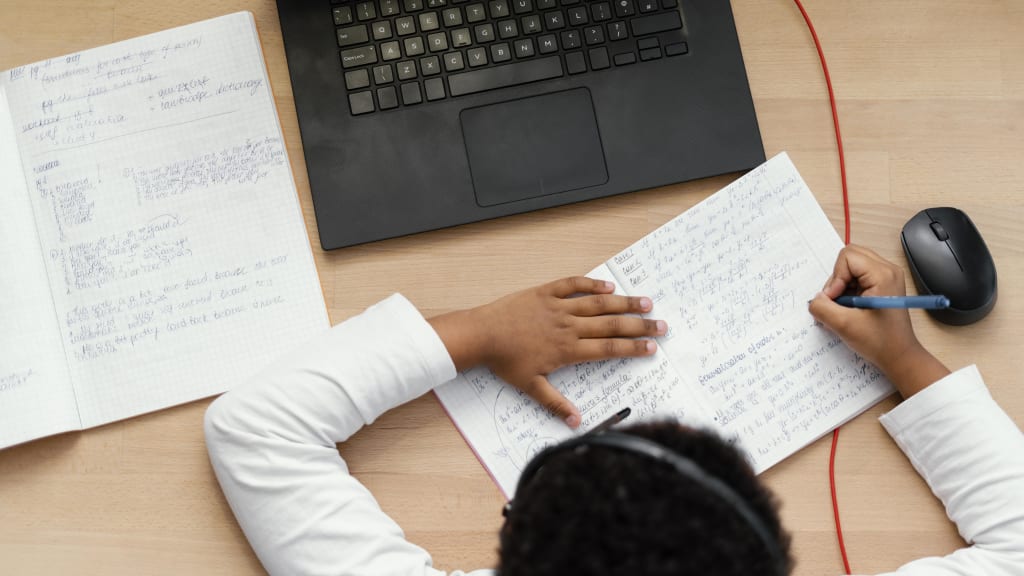
Proofreading is more than just verifying your language and spelling; it also makes sure your message is succinct, clear, and professional.
We'll look at how proofreading may improve your business writing, establish your reputation, and help you accomplish greater results in your professional interactions in this in-depth tutorial.
Understanding the Importance of Proofreading in Business Writing
Before delving into the ways in which proofreading might enhance your writing, it is imperative that you comprehend the fundamental elements of proficient corporate communication. When writing in a professional setting, it should be:
Clear: Your audience should easily understand the message you’re conveying.
Concise: Business readers appreciate succinct communication that gets to the point.
Professional: A polished tone reflects your professionalism and attention to detail.
Accurate: Mistakes in spelling, grammar, or facts can damage your credibility.
Proofreading plays a crucial role in all of these aspects. Here’s why:
1. Enhancing Clarity and Comprehension
Even if you’re an excellent writer, you can still overlook areas where your text may confuse your readers. This is where proofreading becomes indispensable.
Avoiding Misunderstandings: Making sure your message is clear and concise is ensured via proofreading. Sometimes writers presume that their message is comprehended immediately because they are conversant with the subject matter. Fresh eyes, however, are able to identify details that could mislead or confuse the reader.
Simplifying Complex Sentences: Sometimes while writing in business, you may use extremely complex sentences that are difficult to read. A proofreader can assist in streamlining the organization while maintaining the main idea, and improving the content's readability.
Improving Flow: Your writing should flow easily to keep people interested. Correcting awkward transitions or sudden tone shifts that could break the flow of your speech is made easier with proofreading.
2. Polishing Your Professional Image
Your professionalism is evident in the written correspondence you send. Typographical, grammatical, and formatting issues can harm your company's reputation and how people see your brand.
Projecting Competence: Writing that has been properly proofread shows that you take your work seriously. It communicates thoroughness and attention to detail, two traits that are highly regarded in the corporate world.
Building Trust: Making mistakes in your writing can lead to colleagues or clients doubting your dependability or professionalism. Perfect writing, on the other hand, can increase their confidence in your abilities.
Avoiding Embarrassment: In some situations, a little error might cause serious shame. A client's name misspelled in an email, for instance, can result in unpleasant situations, and even small mistakes in a business proposal can harm your company's reputation.
3. Boosting Persuasiveness and Impact
Persuading your audience is the goal of business writing, whether you're writing a presentation, a sales proposal, or a marketing email. You may improve your message and make it more persuasive by proofreading it.
Strengthening Arguments: Rethinking the way your arguments are put together is made possible via proofreading. A proofreader may help you create text that is stronger and more convincing by pointing out logical errors, missing supporting details, or poor conclusions.
Maintaining Focus: There should always be a purpose to your business writing. By eliminating extraneous details that take attention away from your essential points, proofreading helps you stay focused on your goal.
Increasing Readability: Writing that is overly technical or full of jargon can turn readers against you. Simplifying complex language through proofreading can help your material be understood and enjoyed by a wider audience.
4. Catching Hidden Errors
Even the most skilled writers can overlook small errors after spending hours on a document. A thorough proofreading process can catch:
Spelling Mistakes: Spellcheck tools are helpful but not foolproof. They often miss english phrases correction, context-specific errors (like "their" vs. "there" or "form" vs. "from"). Proofreading ensures that every word is spelled correctly.
Grammar and Punctuation: Erroneous subject-verb agreement or misplaced commas might alter the meaning of your sentences. Grammar and punctuation rules are adhered to consistently when proofreading is done.
Inconsistencies: Inconsistencies in tone, style, or structure can readily arise in corporate writing, particularly in lengthy documents. Proofreading helps you keep your work coherent by spotting and fixing these errors.
The Role of Proofreading in Different Types of Business Writing
Proofreading is crucial for all kinds of company papers, including memoranda sent internally and correspondence with clients. Let's examine its effects on various forms of business writing:
1. Emails and Internal Communications
Emails are the most common form of business communication, yet many professionals underestimate the impact of a well-proofed email.
Professionalism: Erroneous emails can give the impression that you are not a professional, especially if you are corresponding with clients or superiors. Proofreading guarantees error-free and polished emails.
Conciseness: Numerous professions receive hundreds of emails a day, if not more. By cutting out extraneous words, proofreading helps you make sure your message is precise and succinct.
Tone: Email tones can occasionally be misconstrued. Whether you're speaking to a client, a coworker, or a boss, proofreading can help you keep the right tone.
2. Reports and Presentations
Business reports and presentations require precision and clarity, as they often contain crucial information that influences decision-making.
Accuracy: By proofreading your report, you can make sure that the data and facts are correct and consistent throughout.
Logical Structure: A well-organized paper or presentation helps the audience follow your reasoning and keeps them interested. For optimum impact, proofreading helps to polish the structure.
Visual Consistency: Visual consistency in presentations refers to making sure that fonts, bullet points, and other design aspects are consistent from start to finish.
3. Proposals and Pitches
Business proposals are critical to securing new clients or contracts. They need to be persuasive, clear, and free from errors.
Attention to Detail: A well-proofed proposal increases your chances of getting the contract by demonstrating to prospective clients that you are detail-oriented.
Clarity: This is not the place for fancy, complicated wording in a business pitch. Proofreading makes your proposal more readable and comprehensible, which increases its persuasiveness.
Grammar and Style: The caliber of your writing may influence how potential clients view your business. Your proposal will be grammatically correct and stylistically cohesive after proofreading.
4. Marketing Material
Marketing content, such as newsletters and blog entries, is essential in establishing a business's reputation. Maintaining a polished and consistent message across all platforms requires proofreading.
Brand Voice: By ensuring that your marketing material adheres to the voice and tone of your brand, proofreading helps to establish a dependable and recognizable brand identity.
Engagement: Error-free, easily readable content has a higher chance of drawing readers in and winning them over as clients. You can produce excellent content that connects with your readers by proofreading it.
Common Mistakes Proofreading Can Help You Avoid
Even seasoned writers make mistakes, especially when working on tight deadlines. Here are some common errors that proofreading can help you avoid:
1. Overused Words and Redundancies
In business writing, it's simple to slip into the trap of overusing specific words or phrases. Using "at this point in time" rather than the more straightforward "now," for example. By locating and removing these repetitions, proofreading helps you write more succinctly.
2. Incorrect Word Usage
Common sources of inaccuracy include homophones, or words that sound the same but have various meanings. Examples of these words are "there," "their," and "they're." Making sure the proper term is used in the right context is ensured by proofreading.
3. Run-On Sentences
Long, meandering phrases might be confusing to readers and make it harder to follow what you're writing. Proofreading makes difficult phrases easier to understand by breaking them up into smaller, more digestible chunks.
4. Inconsistent Formatting
A document that has inconsistent formatting, such as different font sizes or alignment, may come out as amateurish. When you proofread, you should make sure that the formatting is consistent across your work.
5. Punctuation Errors
The meaning of a statement can be entirely altered by misplacing commas or apostrophes. Correct use of punctuation is ensured via proofreading, which improves the writing's clarity and professionalism.
Best Practices for Proofreading Business Writing
After discussing the significance of proofreading, let's examine some recommended practices that will enable you to edit your business writing more skillfully.
1. Take a Break Before Proofreading
You run the risk of missing errors if you proofread right away after writing since you are too acquainted with the text. It's possible to approach your document with a new perspective after taking a break.
2. Read Aloud
Reading your work aloud enables you to identify problems such as run-on sentences, awkward wording, and other mistakes that could go unnoticed when reading silently.
3. Focus on One Type of Error at a Time
Trying to catch every error at once might be daunting. Rather, concentrate on one kind of mistake at a time, such as one involving punctuation, grammar, or spelling, and review the text several times if necessary.
4. Use a Proofreading Checklist
Using a checklist might help you make sure you don't miss any typical mistakes. You may want to go over things like making sure the formatting is correct, double-checking facts and numbers, and ensuring tone consistency.
About the Creator
Enjoyed the story? Support the Creator.
Subscribe for free to receive all their stories in your feed.
Comments
There are no comments for this story
Be the first to respond and start the conversation.