
How PAN Card Agents Help Digitize Rural India’s Financial Identity System
PAN Card Agents
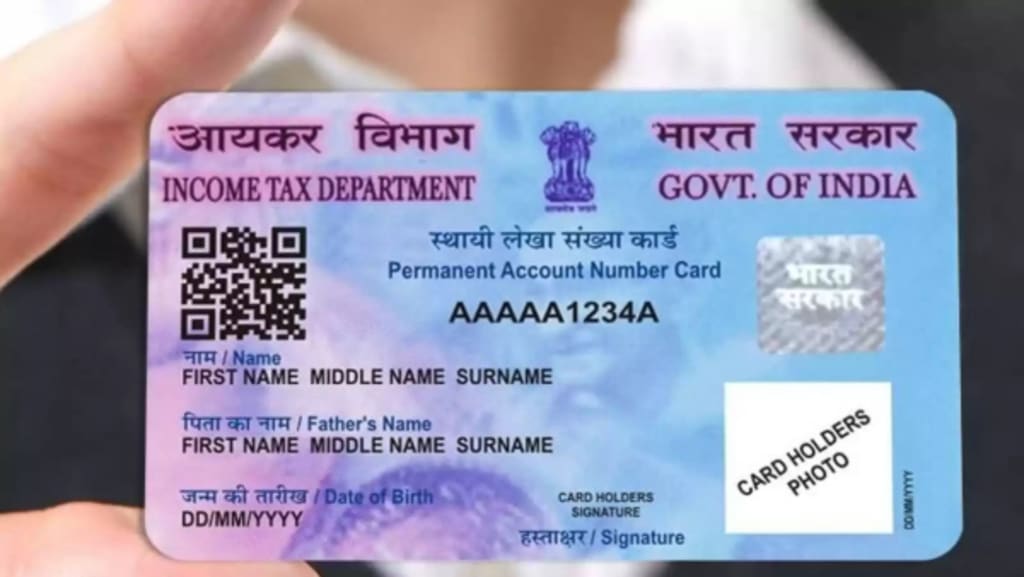
India’s push toward financial inclusion has been remarkable in recent years, especially in rural and semi-urban areas. One of the strongest pillars of this transformation is the Permanent Account Number (PAN) system. While PAN was initially used primarily for income tax purposes, it has now become a vital part of India’s digital financial identity infrastructure. At the heart of this mission are PAN card agents—local service providers who play a key role in bringing PAN-related services to rural citizens.
This article explains how PAN card service for agents are empowering rural India, simplifying identity creation, and helping villagers become part of the formal financial ecosystem.
Understanding the Importance of PAN Cards in Rural India
A PAN card is a unique 10-digit alphanumeric number issued by the Income Tax Department of India. It is used to track financial transactions and is now required for many essential services. From opening a bank account to applying for a loan or receiving subsidies, having a PAN card has become a basic requirement for every Indian citizen.
For rural citizens, this document is more than just a tax ID—it opens the doors to financial literacy, digital banking, and government welfare schemes.
The Role of PAN Card Agents in Rural Areas
PAN card agents act as the bridge between the digital system and the rural population. These agents are often small shopkeepers or local entrepreneurs who register as authorized service providers. With the help of software platforms or web-based tools, they fill out PAN card applications, upload documents, and complete the process digitally.
Here’s how PAN card agents are helping rural India:
1. Making PAN Cards Easily Accessible
In many villages, people have no access to internet services or government offices. PAN card agents remove this barrier by bringing the service directly to the local community. Residents can visit their nearby agent and apply for a PAN card without traveling to the city.
2. Providing Assistance with Documentation
Many rural citizens are not well-versed in paperwork or digital forms. PAN card agents guide them through the process—helping fill out forms, scan and upload documents, and track application status. This support ensures that people who might otherwise struggle with the formal system can still access essential services.
3. Creating Employment Opportunities
PAN card services also help generate income for local agents. They earn commissions for each application processed and often expand their business by offering other services such as AEPS, money transfer, and bill payments. This makes them self-reliant and also boosts the village economy.
PAN Cards as a Gateway to the Financial System
Once a person in a rural area receives a PAN card, they can access several financial tools and opportunities, including:
Opening bank accounts to receive subsidies, pensions, and payments.
Applying for loans from banks and microfinance institutions.
Filing income tax returns, especially for small business owners.
Registering for government welfare schemes such as PM-KISAN, MGNREGA, and more.
In this way, PAN cards play a vital role in helping villagers establish a formal financial identity. This identity becomes the foundation for economic progress and digital participation.
PAN Agents as Digital Enablers
Apart from PAN card services, many agents now offer digital services like:
AEPS (Aadhaar Enabled Payment System) transactions
Micro ATM services
Mobile and DTH recharge
BBPS (Bharat Bill Payment System) services
Money transfer facilities
Travel and ticket booking
By offering these services, PAN agents become multi-service centers or “Digital Seva Kendras” in rural India. People no longer need to visit multiple places for different needs. One location now provides banking, utility, government, and travel services.
Government Support and Digital Integration
The Indian government has actively encouraged the expansion of digital infrastructure in rural areas. Digital India, Jan Dhan Yojana, and Common Service Center (CSC) schemes have given agents the training and tools needed to become digital service providers.
The integration of PAN card services into these platforms has made it faster and easier to process applications. Most importantly, the use of biometric systems and Aadhaar integration ensures security and authenticity in identity verification.
Challenges Faced by PAN Card Agents
While the impact of PAN card agents is significant, they also face some challenges:
Connectivity issues in remote areas can slow down the digital application process.
Limited awareness among villagers about the importance of PAN cards.
Delays in approval from central systems sometimes affect trust in the process.
To address these, more training, awareness programs, and technical support are required from both government and private software providers.
Conclusion
PAN card agents are the unsung heroes of India’s rural financial transformation. They are not only helping individuals get their official financial identity but also driving digital awareness and self-employment. Their contribution is key to ensuring that every citizen, regardless of location, can participate in the formal economy.
As India moves forward, the integration of technology, supportive policies, and local entrepreneurship will continue to strengthen the digital backbone of rural communities.
In today’s evolving fintech environment, tools like mobile recharge API development solution, money transfer software, mobile recharge software, BBPS software solution, and BBPS software service are becoming more essential than ever. Fintech companies also provide AEPS B2B software, BBPS API provider platforms, and partner as micro ATM provider to support agents in remote locations. With the help of advanced AEPS solution, micro ATM service, and the Aadhaar Enabled Payment System, these agents are able to provide seamless, secure, and convenient financial services. As part of a growing network, AEPS portal, PAN card service provider, and travel portal development service are expanding their reach—fueling India’s journey toward total digital and financial inclusion.
About the Creator
Enjoyed the story? Support the Creator.
Subscribe for free to receive all their stories in your feed.
Comments
There are no comments for this story
Be the first to respond and start the conversation.