
How online PTSD therapy helps combat feelings of hopelessness
PTSD therapy
Introduction
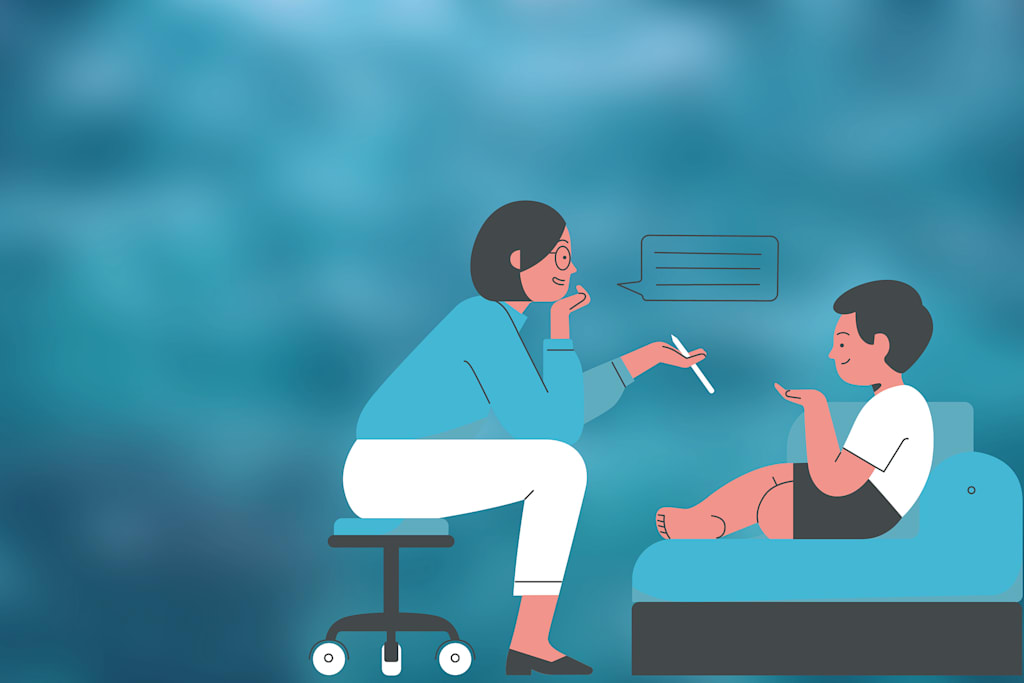
In recent years, access to mental health care has expanded significantly, and one of the most important developments has been the rise of ptsd therapy online as a practical option for individuals struggling with trauma-related symptoms. For many people living with post-traumatic stress disorder, persistent feelings of hopelessness can feel overwhelming and isolating. Online therapy has become a meaningful bridge between individuals in need and qualified professionals, especially when in-person care feels out of reach due to geography, stigma, or time constraints.
Trauma does not exist in isolation from other mental health conditions, and many individuals also explore services such as online therapy for bipolar disorder, teletherapy for mood regulation, and broader virtual mental health counseling to address overlapping symptoms. This interconnected approach reflects an important shift in modern care: mental health support is no longer limited to a single setting or diagnosis, but instead focuses on accessible, continuous care that meets people where they are emotionally and physically.
How PTSD Contributes to Feelings of Hopelessness
Hopelessness in PTSD is not simply a passing emotional state—it is often a persistent cognitive and emotional pattern shaped by trauma exposure. Individuals may develop beliefs that recovery is impossible, that safety is unattainable, or that their future is limited by past experiences. These thoughts are reinforced by avoidance behaviors, intrusive memories, and heightened anxiety responses that make everyday functioning difficult.
From a psychological perspective, trauma disrupts the brain’s ability to accurately predict safety and control. The nervous system remains in a heightened state of alert, often leading to exhaustion and emotional withdrawal. Over time, this chronic stress response can contribute to depressive symptoms, further deepening feelings of helplessness. Without intervention, this cycle can become self-reinforcing, making it harder for individuals to seek support or envision improvement.
Why Online Therapy Is Effective for Trauma Recovery
Online therapy has become an important tool in addressing PTSD-related hopelessness because it reduces many of the barriers associated with traditional care. One of the most significant advantages is accessibility. Individuals who may struggle with mobility, transportation, or living in underserved areas can connect with licensed therapists through secure digital platforms. This expanded access increases the likelihood of early intervention, which is critical in trauma recovery.
Another key benefit is psychological comfort. Many individuals with PTSD experience heightened anxiety in unfamiliar environments. Being able to attend therapy from a familiar space can reduce emotional distress and encourage openness during sessions. This sense of control can gradually counteract feelings of helplessness, allowing individuals to engage more fully in the therapeutic process.
Research in telehealth has also shown that outcomes for trauma-focused online therapy can be comparable to in-person treatment when evidence-based methods are used consistently. This includes structured sessions, regular follow-ups, and clear therapeutic goals that help maintain progress over time.
Therapeutic Approaches Used in Online PTSD Treatment
Several established therapeutic methods have been successfully adapted for online delivery. Cognitive Behavioral Therapy (CBT) remains one of the most widely used approaches. It focuses on identifying and restructuring negative thought patterns, particularly those related to guilt, fear, and hopelessness. Through guided exercises, individuals learn to challenge distorted beliefs and replace them with more balanced perspectives.
Eye Movement Desensitization and Reprocessing (EMDR) is another trauma-focused method that has been increasingly delivered through virtual platforms. While adaptations are required for online settings, many therapists use structured protocols and digital tools to help clients process traumatic memories safely.
Mindfulness-based interventions are also commonly integrated into online therapy programs. These techniques help individuals reconnect with the present moment, reducing the intensity of intrusive memories and emotional overwhelm. Over time, mindfulness practices can improve emotional regulation and reduce the sense of being trapped by past experiences.
Addressing Hopelessness Through Cognitive and Emotional Skills
A central goal of PTSD therapy is to rebuild a sense of agency. Hopelessness often stems from the belief that change is not possible, but therapy works to gradually dismantle this assumption. One approach involves cognitive restructuring, where individuals learn to identify automatic negative thoughts and evaluate their accuracy. For example, a thought such as “I will never feel normal again” is examined and replaced with a more realistic and flexible perspective.
Emotional regulation skills are equally important. Many online therapy programs teach grounding techniques that help individuals manage distress in real time. These may include controlled breathing, sensory awareness exercises, and structured coping strategies that reduce emotional escalation during triggers.
Another important component is behavioral activation, which encourages individuals to re-engage with meaningful activities. Trauma often leads to withdrawal from social, occupational, or recreational life. By slowly rebuilding routines, individuals can experience small but significant improvements in mood and motivation, which directly counteracts hopelessness.
Challenges and Limitations of Online PTSD Therapy
While online therapy offers many advantages, it is not without limitations. One of the primary challenges is the lack of physical presence, which can affect the therapeutic alliance for some individuals. Non-verbal cues may be harder to interpret, and technical issues can occasionally disrupt the flow of sessions.
Additionally, severe cases of PTSD that involve acute risk or complex comorbidities may require more intensive in-person care or hybrid treatment models. Not all individuals respond equally to virtual formats, and some may need additional support structures outside of therapy sessions to maintain stability.
Privacy concerns can also play a role, especially for individuals living in shared or unsafe environments. Ensuring a secure and confidential space for therapy is essential for effective treatment outcomes.
Conclusion
Online PTSD therapy has emerged as a valuable and accessible option for individuals struggling with trauma-related hopelessness. By combining evidence-based therapeutic approaches with the flexibility of digital platforms, it provides a pathway for individuals to reconnect with a sense of control, emotional stability, and long-term recovery potential. While it is not a universal solution for every case, its role in expanding access to care and reducing barriers to treatment continues to make it an important part of modern mental health support systems.
About the Creator
Enjoyed the story? Support the Creator.
Subscribe for free to receive all their stories in your feed.
Comments
There are no comments for this story
Be the first to respond and start the conversation.