
How Often Should You Schedule Pest Control Services?
Pest Control Services
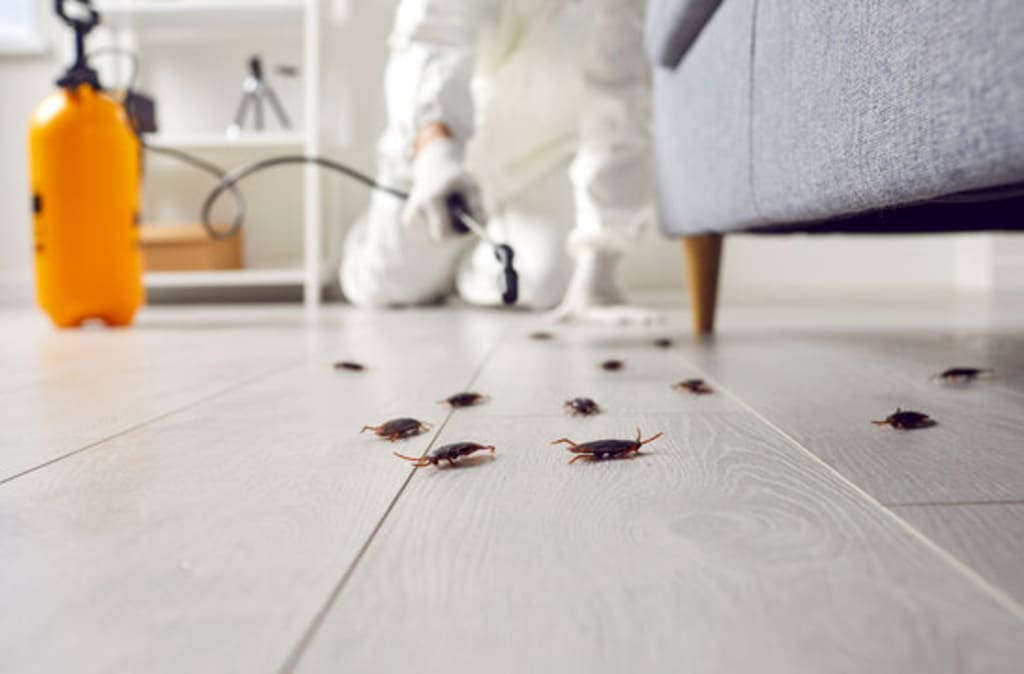
Pest control services are essential to maintaining a safe, clean, and healthy environment. Regular pest control not only prevents infestations but also protects your home, business, and loved ones from the risks associated with pests. But how often should you schedule pest control services? The answer varies depending on several factors, including the type of pests, your location, and the specific needs of your property. In this comprehensive guide, we delve into everything you need to know about scheduling Pest Control Cranbourne services to ensure optimal protection.
Why Regular Pest Control is Essential
Pest control is not a one-time solution. Pests can reproduce rapidly, spread diseases, and cause significant structural damage if left unchecked. Regular pest control services offer the following benefits:
Prevention of Infestations: Scheduled treatments create a barrier that keeps pests from invading your property.
Health Protection: Pests such as cockroaches, rodents, and mosquitoes can carry diseases like salmonella, hantavirus, and dengue fever.
Preservation of Property: Termites and other destructive pests can compromise the structural integrity of your home or business.
Peace of Mind: Knowing your property is pest-free allows you to focus on what truly matters.
Factors That Influence Pest Control Frequency
1. Type of Pests
Different pests require varying levels of control. For example:
Ants, Cockroaches, and Spiders: Typically require quarterly treatments to prevent infestations.
Termites: Annual inspections and treatments are crucial, as they can cause significant damage over time.
Rodents: Monthly services may be needed in high-risk areas or during certain seasons.
Mosquitoes and Ticks: Seasonal treatments during warmer months are essential.
2. Location
The geographic region and climate where you live significantly impact pest activity. For instance:
Humid Climates: These areas often have higher incidences of mosquitoes, termites, and ants.Urban Areas: Cities are prone to rodents and cockroaches due to dense populations and waste management challenges.
Rural Areas: Properties surrounded by nature may face challenges with wildlife, ticks, and insects.
3. Property Type and Use
Residential properties and commercial establishments have different pest control requirements:
Residential Homes: Quarterly treatments are often sufficient for most households.
Restaurants and Food Facilities: Monthly or even bi-weekly treatments are necessary due to strict hygiene standards.
Warehouses and Storage Units: Require specialized pest control plans to protect stored goods.
4. Severity of the Problem
A minor pest problem may only require quarterly or bi-annual services, while severe infestations demand immediate and more frequent attention.
Recommended Pest Control Schedules
Quarterly Pest Control Services
For most households, scheduling pest control services every three months is sufficient. This frequency ensures a consistent barrier against common pests like ants, spiders, and cockroaches. Quarterly treatments are ideal for maintaining long-term pest prevention with minimal disruption.
Monthly Pest Control Services
High-risk areas, such as restaurants, warehouses, or homes with recurring infestations, benefit from monthly pest control. Frequent visits help address ongoing issues and prevent new infestations.
Seasonal Pest Control Services
Some pests, like mosquitoes and ticks, are seasonal. For these pests, scheduling services during their active months (spring and summer) ensures effective control.
Annual Termite Inspections
Even if you don’t notice signs of termites, an annual termite inspection is crucial. Early detection can save you thousands of dollars in structural repairs.
Signs You Need Immediate Pest Control Services
While a regular pest control schedule is essential, certain situations call for immediate action. Look out for these warning signs:
Visible Pests: Spotting rodents, cockroaches, or other pests in your home.
Droppings or Nesting Materials: Evidence of pests such as rodent droppings or shredded paper for nests.
Structural Damage: Termite tunnels, chewed wires, or holes in walls.
Strange Odors: Unexplained musty smells may indicate a pest infestation.
Unusual Noises: Scratching or scurrying sounds in walls or ceilings.
If you notice any of these signs, contact a pest control professional immediately to prevent further damage.
Choosing the Right Pest Control Service Provider
To ensure effective and reliable pest control, choose a provider with the following qualities:
Licensed and Certified: Verify that the company is licensed to perform pest control services in your area.
Experienced Technicians: Skilled professionals can identify and address pest issues efficiently.
Eco-Friendly Solutions: Opt for providers that use safe and environmentally friendly pest control methods.
Customized Plans: A good provider tailors their services to meet your specific needs.
DIY Pest Control vs. Professional Services
While DIY pest control methods can provide temporary relief, they often fail to address the root cause of infestations. Professional pest control services offer:
Expertise: Professionals understand pest behavior and apply targeted solutions.
Comprehensive Treatments: Ensure all areas of your property are protected.
Long-Term Results: Prevent future infestations with expert strategies.
Cost of Pest Control Services
The cost of pest control varies depending on factors like property size, pest type, and treatment frequency. On average:
Quarterly Treatments: Range from $100 to $300 per visit.
Monthly Treatments: Typically cost $40 to $70 per visit.
Annual Termite Inspections: Can range from $100 to $300.
Investing in regular pest control services is a small price to pay for the safety and comfort of your home or business.
Conclusion
Regular pest control services are crucial to safeguarding your property and health. Whether you opt for quarterly, monthly, or seasonal treatments, staying proactive is the key to preventing infestations. Assess your specific needs, consult a professional pest control provider, and maintain a consistent schedule to ensure your space remains pest-free year-round.
About the Creator
Enjoyed the story? Support the Creator.
Subscribe for free to receive all their stories in your feed.
Comments
There are no comments for this story
Be the first to respond and start the conversation.