
How Nokia Lost Its Place in the Mobile Phone Market
For years, Nokia was one of the biggest names in mobile phones. Then smartphones changed what people expected from a phone, and the company struggled to move quickly enough.
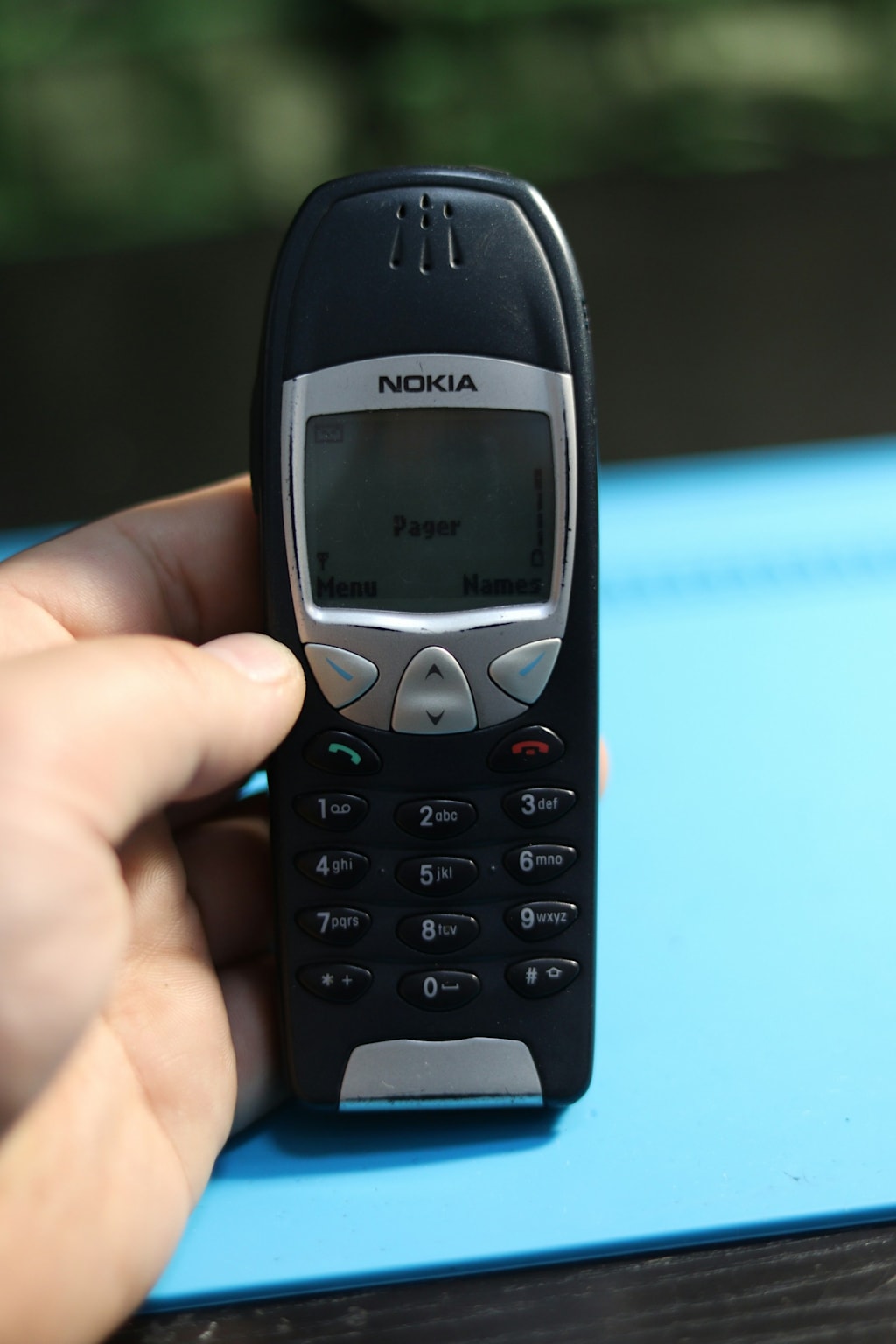
On February 11, 2011, Nokia gathered the media in London to announce a major change.
The company said Microsoft's Windows Phone would become its main smartphone platform. Nokia CEO Stephen Elop described the company as being at a “critical juncture.” Nokia was changing direction because the mobile phone business around it had changed.
The announcement would have been difficult to imagine only a few years earlier.
Nokia was one of the most familiar names in mobile phones. Its devices were sold around the world, from simple models made for calls and text messages to more advanced smartphones.
In 2010 alone, Nokia sold about 453 million mobile devices. The company estimated that it held 32 percent of the global mobile device market. That was nearly one out of every three devices sold worldwide.
But the number was already moving in the wrong direction.
A year earlier, Nokia estimated its share at 34 percent. More importantly, the part of the market attracting the most attention and growth was changing quickly.
Smartphones were becoming less about the phone itself and more about everything connected to it.
A customer buying an iPhone or an Android phone was also entering a wider system of apps, software, internet services and developers. The operating system was becoming almost as important as the device in a person's hand.
Nokia saw this happening.
In its own reporting, the company said the mobile business was moving from competition between individual products to competition between entire “ecosystems.” Apple had built one around iOS. Google was building another around Android. Nokia's leadership position was coming under pressure as those systems grew.
Nokia had its own smartphone operating system, Symbian.
For years, Symbian had helped Nokia sell smartphones to millions of people. But by early 2011, Nokia had reached a difficult conclusion about the software that had carried so much of its phone business.
The company said Symbian was no longer competitive enough in leading smartphone markets. Developing it had also become difficult as customers expected more from their phones.
Nokia had another project called MeeGo, but the company believed it could not build a large enough ecosystem around MeeGo quickly enough.
Speed had become part of the problem.
Apple and Android phone makers did not have to wait for Nokia to decide what came next. Their products, apps and services were already reaching customers.
Nokia needed another plan.
That plan was Windows Phone.
The partnership with Microsoft gave Nokia access to a modern smartphone platform without requiring it to build every part of a new system alone. Nokia would bring its experience in phone design, hardware, maps and global distribution. Microsoft would provide the operating system and developer tools.
On paper, the two companies had useful things to offer each other.
The difficult part was what happened between the old Nokia and the new one.
Nokia expected its move from Symbian to Windows Phone to take about two years. During that time, it still needed people to buy Symbian phones while it prepared a new generation of Windows devices.
Customers did not wait.
In 2010, Nokia sold 103.6 million smart devices. In 2011, that number dropped to 77.3 million, a fall of 25 percent. Smart-device sales revenue fell by 27 percent.
Nokia's own annual report pointed to the strong momentum of competing smartphone platforms. It also said demand for Symbian devices began to weaken during the transition. Distributors and mobile operators reduced their purchases of Nokia smartphones, and the company found it increasingly difficult to compete with Symbian.
The change was visible inside the company too.
Eight months after announcing its new direction, Nokia introduced its first Lumia Windows phones at Nokia World in October 2011. The Lumia 800 and Lumia 710 were the first Nokia smartphones built around Microsoft's platform.
They were important products for Nokia.
They were also arriving in a market where Apple and Android already had strong positions.
A smartphone was now connected to questions that had once mattered much less when someone bought a mobile phone.
Which apps could it run?
Which developers were building for it?
Which services worked with it?
Would the platform still be growing several years later?
Nokia itself recognized this problem. The company warned investors that Windows Phone needed enough consumers, developers and other partners to become a competitive global ecosystem. It also acknowledged that Apple and Android had already gained significant momentum and market share.
Making a good phone was no longer enough by itself.
Nokia continued releasing Lumia devices, but the company never returned to the position it had held when its phones were among the most common devices in the world.
Then another major announcement came.
On September 3, 2013, Microsoft said it would buy substantially all of Nokia's Devices & Services business.
The agreement valued the phone business at €3.79 billion, with another €1.65 billion for a license to Nokia's patents. About 32,000 employees were expected to move to Microsoft as part of the transaction.
The sale was completed on April 25, 2014.
Nokia itself did not disappear.
The Finnish company continued in telecommunications networks, technology and other businesses. It also kept ownership of the Nokia brand and its patent portfolio under the terms of the Microsoft agreement.
What disappeared was Nokia's old position in the phone market.
There was no single reason and no single day when everything went wrong.
Nokia had seen the smartphone change coming. Its own reports show that the company understood the importance of software, apps and ecosystems. It knew Symbian was struggling and that it needed a new direction.
The harder problem was moving a huge company from one generation of mobile technology to another while competitors were already moving faster.
Nokia chose Microsoft and Windows Phone as its way forward. The first Lumia phones followed within months. But during the change, Symbian sales fell, Apple and Android grew stronger, and Windows Phone still had to build the large network of users and developers that its competitors already enjoyed.
Only a few years separated the two versions of Nokia.
In 2010, Nokia factories and partners were sending more than 450 million mobile devices into the world.
In 2014, the business responsible for most of those phones had passed to Microsoft.
For customers, the change was quieter.
Nokia phones did not suddenly vanish from every shop. People simply began seeing more iPhones and Android devices beside them. New apps appeared. Touchscreens became normal. The familiar Nokia name had more competition every year.
Then, little by little, the phone that had once seemed to be everywhere became harder to find in people's hands.
About the Creator
Enjoyed the story? Support the Creator.
Subscribe for free to receive all their stories in your feed.
Comments
There are no comments for this story
Be the first to respond and start the conversation.