
How Money Transfer Software Is Powering India’s Digital Economy
Money Transfer Software
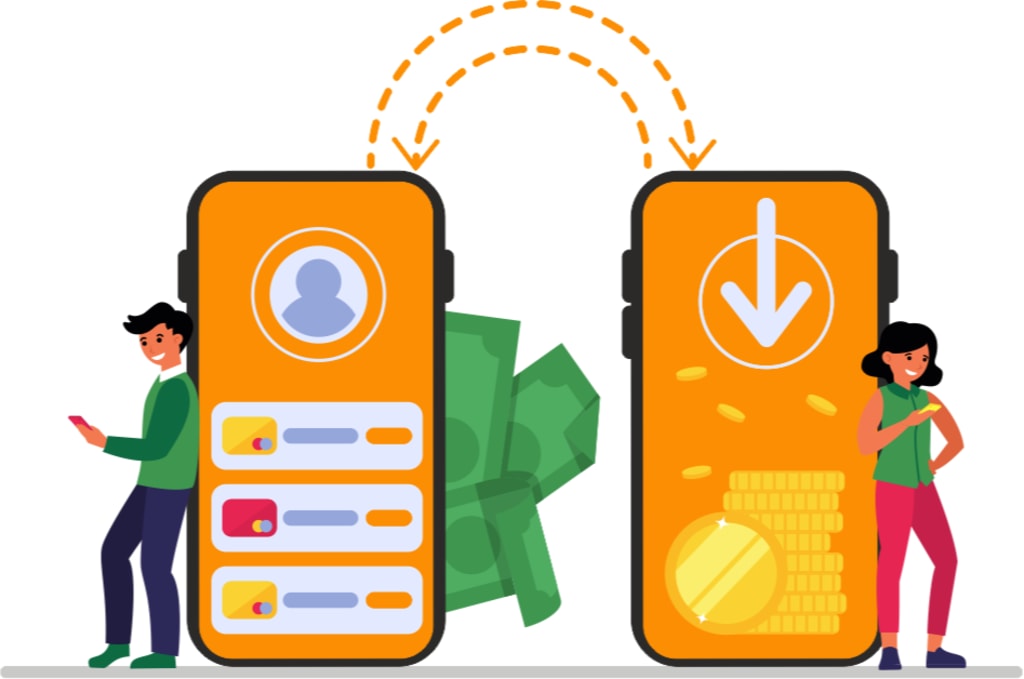
India's digital economy has been experiencing rapid growth in recent years, and a key contributor to this transformation is the rise of money transfer software solutions. These digital tools have revolutionized the way financial transactions are conducted, making sending and receiving money faster, safer, and more accessible than ever before. With a large population of tech-savvy individuals, mobile-first users, and a growing base of rural consumers, money transfer software is becoming an essential element of India's digital financial ecosystem.
The Importance of Money Transfer Software in the Digital Economy
Money transfer software allows individuals and businesses to transfer funds electronically, making it easier for people across India to send money to loved ones, pay bills, or conduct business transactions. Traditional banking services, while still relevant, can be time-consuming, especially in remote areas where branches are few. Money transfer software addresses these challenges by offering a faster, more efficient, and often cheaper alternative.
This software supports various payment options like bank transfers, mobile wallets, and even cash pick-ups, making it a versatile solution for different users.
Enhancing Financial Inclusion Through Technology
One of the key benefits of money transfer software is its role in promoting financial inclusion, particularly in rural India. According to reports, a significant portion of India’s rural population remains unbanked, meaning they do not have access to traditional banking services. Money transfer software bridges this gap by providing digital wallets and payment solutions that do not require users to have a bank account or credit history.
With the help of AEPS banking software and other integrations, users in rural areas can now receive funds, pay for services, and even make micro-payments directly from their mobile phones. This accessibility has been vital for improving financial literacy and empowering individuals with the tools to participate in India’s growing digital economy.
How Money Transfer Software Works
At the heart of money transfer software lies a series of sophisticated systems that enable real-time fund transfers, secure transactions, and seamless integrations with various financial institutions. Here's a breakdown of how the process works:
User Interface: The software provides an intuitive interface, either through a mobile app or web-based platform, allowing users to easily initiate transactions.
Payment Processing: Upon submitting a request, the software connects with payment gateways, banks, or wallets, ensuring a smooth transfer.
Authentication: Users authenticate their identity, often using biometrics, one-time passwords (OTPs), or PINs for secure transactions.
Completion: The transfer is completed, and the recipient receives the funds in their account or mobile wallet.
These steps are designed to ensure that money transfer software is not only fast but also secure, reducing the risks of fraud or unauthorized transactions.
Benefits of Money Transfer Software for Businesses
Beyond personal use, businesses are also reaping the rewards of money transfer software. Many small and medium-sized enterprises (SMEs) in India rely on these platforms to manage payments, collections, and vendor transactions. By integrating money transfer software into their operations, businesses can:
Reduce cash handling risks
Improve cash flow management
Make bulk payments to suppliers and employees with ease
Accept digital payments from customers
This shift toward digital payments is crucial for SMEs looking to modernize their operations and expand their customer base in a competitive market.
Ensuring Security and Compliance
With the rise of digital payments, security has become a top priority for both users and service providers. High-quality money transfer software solutions are built with advanced encryption protocols to protect sensitive data and prevent fraud. These platforms also comply with stringent financial regulations set by the Reserve Bank of India (RBI) and other governing bodies, ensuring that users' transactions are safe and legitimate.
By ensuring high security standards and regulatory compliance, money transfer software instills trust in users, making them more likely to adopt digital payment solutions in their everyday lives.
Future Trends in Money Transfer Software
Looking ahead, money transfer software is poised to continue its role in driving the growth of India’s digital economy. Advancements in blockchain technology, machine learning, and AI will likely enhance transaction speed and security. Additionally, the integration of micro ATM software development and AEPS software will further expand access to digital banking in remote areas.
Moreover, the increasing popularity of BBPS API provider and mobile recharge software will enable users to access multiple financial services within a single platform, making it more convenient for both individuals and businesses to manage their money.
Conclusion
In conclusion, money transfer software plays a pivotal role in shaping India’s digital economy. It fosters financial inclusion, enhances business efficiency, and provides a secure and accessible way for individuals to manage their finances. As the adoption of these technologies continues to grow, they will play a vital role in furthering India's journey toward becoming a truly digital-first economy.
About the Creator
Enjoyed the story? Support the Creator.
Subscribe for free to receive all their stories in your feed.
Comments
There are no comments for this story
Be the first to respond and start the conversation.