
How Mobile Recharge Software Providers Are Shaping the Future of Digital Payments in India
Mobile Recharge Software Providers
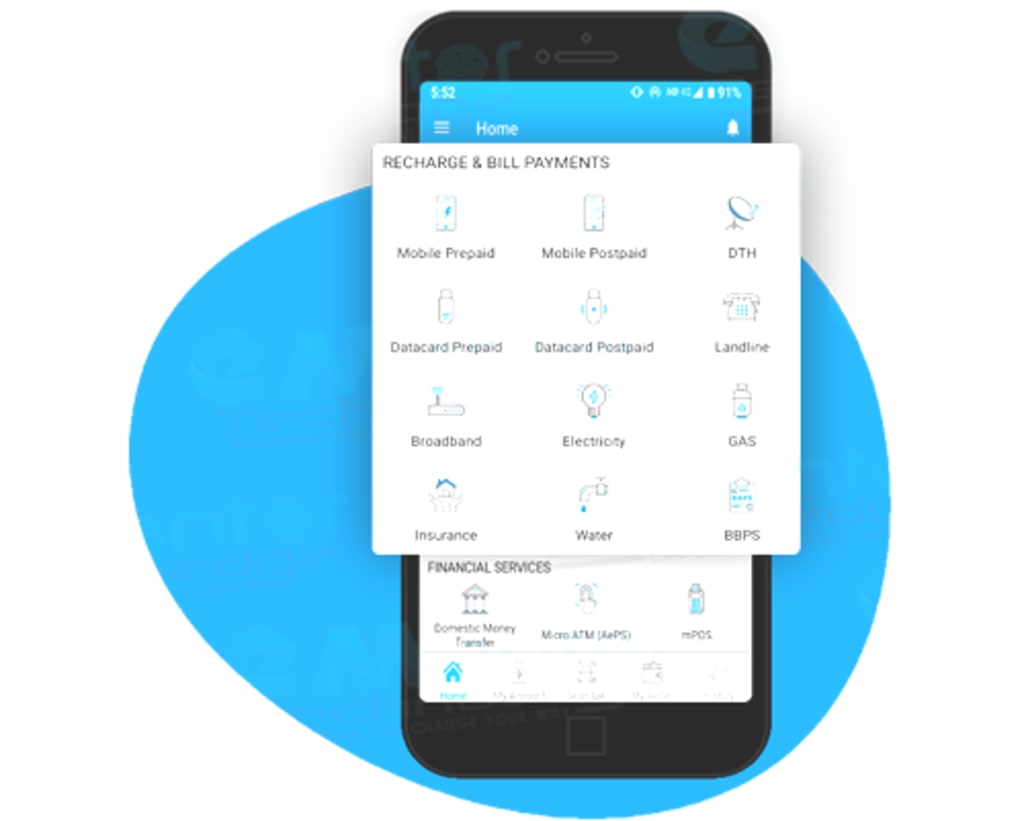
India's digital landscape has seen massive transformations over the last few years, and mobile recharge software provider have played a significant role in this change. With the growing demand for digital transactions and the rise of smartphones, mobile recharge platforms have become a vital part of the digital payments ecosystem. These platforms not only allow users to easily recharge their mobile phones but also support a broad range of financial services, making them key contributors to financial inclusion.
This article explores how mobile recharge software providers are shaping the future of digital payments in India and driving the nation's push toward a cashless society.
The Growth of Digital Payments in India
India is experiencing a rapid shift from traditional cash payments to digital transactions, and the mobile recharge sector is one of the most crucial contributors to this shift. As of recent years, a large portion of the Indian population has embraced smartphones and internet connectivity. This has opened up opportunities for mobile recharge software providers to offer convenient, secure, and accessible payment solutions.
Mobile recharges, which were once primarily done through physical retailers, can now be completed in just a few taps using mobile apps or web platforms. This transition has allowed digital payments to thrive in both urban and rural areas, where mobile phones serve as an important tool for communication, banking, and bill payments.
How Mobile Recharge Software Providers Are Empowering Consumers
1. Making Transactions Easy and Accessible
Mobile recharge software allows consumers to recharge their phones instantly, no matter where they are. This convenience extends beyond urban areas and reaches rural India, where access to physical stores may be limited. Through mobile recharge apps, users can top-up their phones using a variety of payment methods, including bank transfers, UPI, and digital wallets.
This ease of access has enabled millions of Indians, particularly in rural areas, to gain access to affordable mobile recharges without needing to visit a retailer.
2. Integrating with Other Digital Services
A significant advantage of modern mobile recharge platforms is their ability to integrate with other digital payment systems, such as AEPS (Aadhaar Enabled Payment System). This integration allows mobile recharge providers to offer additional services, such as bill payments, money transfers, and DTH recharges. By expanding the range of services, mobile recharge software providers are contributing to the digital financial ecosystem that allows consumers to manage all of their transactions from a single platform.
The Role of Mobile Recharge Software in Financial Inclusion
The concept of financial inclusion refers to providing access to essential financial services to those who have traditionally been excluded from the banking system. Mobile recharge software providers are playing a crucial role in ensuring that even people in remote locations can access digital payment services.
1. Reaching Rural India
Many parts of rural India have limited access to bank branches and ATMs, which makes traditional financial services difficult to access. However, mobile phones are becoming more accessible, and mobile recharge platforms provide a valuable service in such regions. Mobile recharge software can be used to facilitate digital bill payments and money transfers, even for users who don’t have a traditional bank account.
Additionally, micro ATM services powered by mobile recharge platforms allow users to withdraw money and perform other financial transactions through local agents. This makes mobile recharge software an integral part of the digital economy in rural areas.
2. Empowering Small Retailers and Entrepreneurs
Mobile recharge software platforms empower local retailers and entrepreneurs by turning them into digital payment agents. Shopkeepers and small business owners can act as mobile recharge agents, offering recharge services, bill payments, and other digital financial services in their communities. This agent model helps foster local entrepreneurship while also promoting financial literacy and inclusion in rural areas.
The Impact of Mobile Recharge Software Providers on India’s Cashless Push
As India pushes for a cashless economy, mobile recharge software providers are making significant contributions by offering seamless, secure, and low-cost payment solutions. These platforms are helping users transition away from cash-based transactions to digital alternatives.
1. Security and Convenience
The rise of mobile payments has helped address some of the concerns related to cash handling. With mobile recharge apps, users can securely complete transactions without worrying about carrying physical money. The integration of two-factor authentication, encryption technologies, and OTP (One-Time Password) further enhances the security of digital transactions, making mobile recharge services both secure and convenient.
2. Supporting Digital Payment Infrastructure
Mobile recharge software providers are also supporting digital payment infrastructure by offering platforms that are compatible with BBPS (Bharat Bill Payment System) and other digital payment systems. This connectivity ensures that users can make bill payments, recharges, and transfers without the need to visit physical service centers, helping the country transition toward a more connected, cashless society.
Conclusion
Mobile recharge software providers are playing a critical role in India’s digital payments revolution. Through innovative software solutions, they are not only making it easier for consumers to recharge their phones but also offering essential financial services that contribute to the financial inclusion movement.
By facilitating secure, instant, and digital transactions, mobile recharge platforms are empowering individuals and communities, especially in rural India, where traditional financial services are often hard to come by. As multi recharge software provider continue to grow and integrate with other digital services, they will continue to shape the future of India’s digital payments ecosystem.
In the future, we can expect mobile recharge software to evolve further, incorporating new technologies like AI and blockchain, and expanding the range of services available to users. Micro ATM service, BBPS API providers, and AEPS API provider will continue to play a pivotal role in connecting the masses to essential digital services.
As these solutions continue to grow, India will edge closer to achieving a fully cashless society, where everyone, regardless of location or financial background, has access to digital financial services.
About the Creator
Enjoyed the story? Support the Creator.
Subscribe for free to receive all their stories in your feed.
Comments
There are no comments for this story
Be the first to respond and start the conversation.