
How Mobile Recharge Software Development is Powering India’s Digital Retail Revolution
Mobile Recharge Software Development
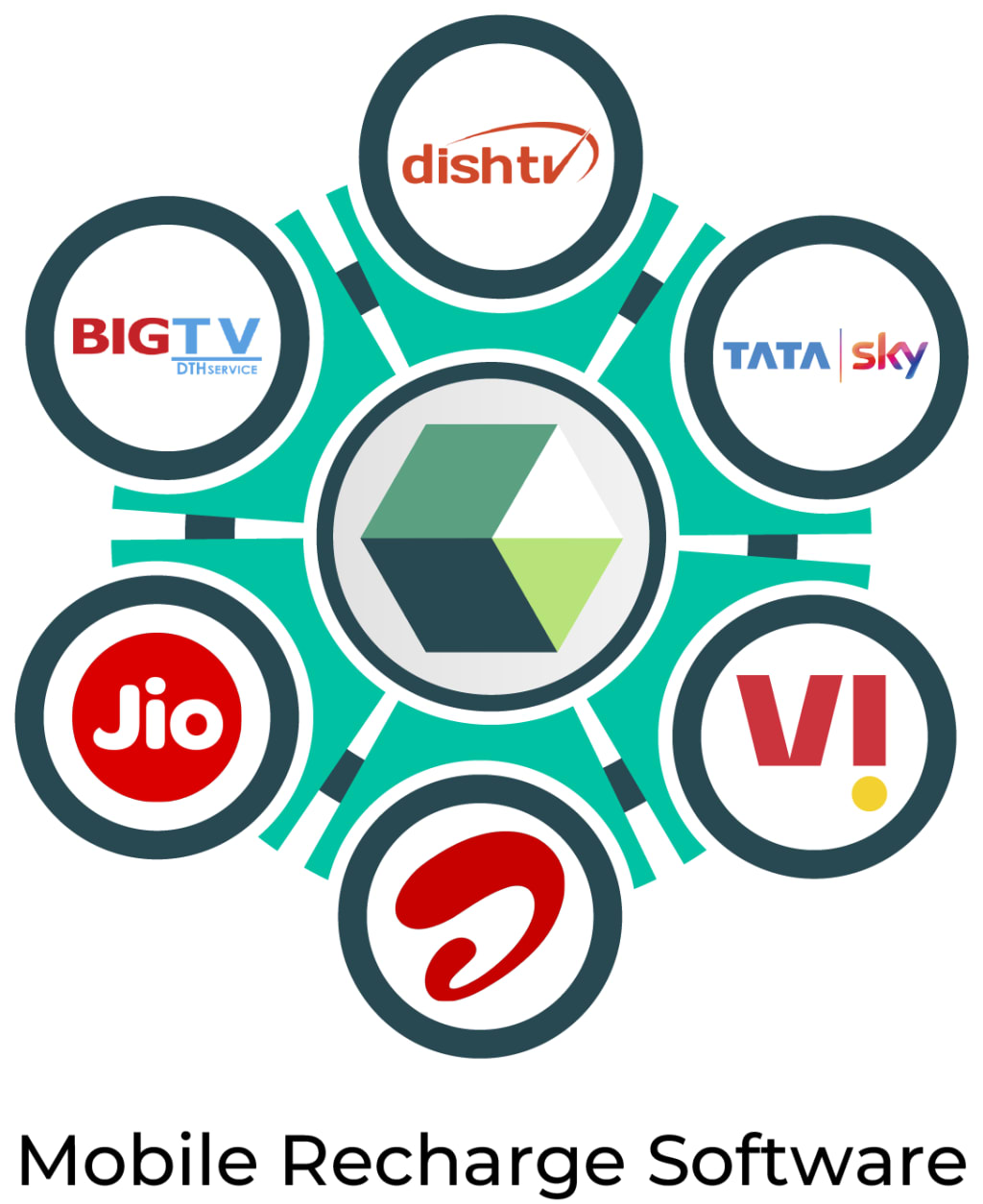
In recent years, India has witnessed a significant transformation in its retail landscape. The digital retail revolution is not just about the rise of e-commerce; it’s also about the evolution of small retailers and shopkeepers embracing technology to serve their customers better. One of the most significant drivers of this shift is mobile recharge software development, which has made mobile recharges, bill payments, and other digital services accessible to millions of Indians.
This article explores how mobile recharge software development is reshaping the Indian retail market and creating a more inclusive digital economy.
The Growth of Digital Retail in India
India is home to over 1.3 billion people, many of whom rely on their mobile phones for day-to-day activities, including communication, payments, and entertainment. The introduction of mobile recharge software has revolutionized the way people top-up their phones. What once required a visit to the local mobile store is now possible from virtually anywhere, thanks to the advent of digital recharge solutions.
However, this change has had a much broader impact than just making recharge easier. It has opened doors for small retailers and local shopkeepers to expand their offerings, moving beyond traditional goods to provide a wide range of digital services, all powered by mobile recharge software.
What Is Mobile Recharge Software?
Mobile recharge software allows users to buy prepaid mobile recharges, postpaid bill payments, and DTH recharges, all through a user-friendly platform. This software is typically integrated with various telecom operator APIs, enabling retailers to offer a wide variety of services from a single point of access.
These platforms make it easier for users to choose the type of recharge they need and complete the transaction with minimal effort. For retailers, the software offers an easy-to-use interface, real-time transaction processing, and commission-based earnings.
Empowering Small Retailers
In India’s largely cash-driven economy, small retailers and kirana shop owners play a pivotal role in local commerce. Mobile recharge software development has allowed these small businesses to tap into the digital world, offering mobile recharges and other services like bill payments, DTH recharges, and utility payments.
Retailers can now earn commissions on each transaction, helping them increase their earnings and offer more value to their customers. The AEPS API service provider and BBPS API provider integration have further expanded the types of services available at these small shops, turning them into one-stop digital hubs for consumers.
The Role of AEPS and BBPS in the Digital Retail Ecosystem
In addition to mobile recharges, AEPS (Aadhaar Enabled Payment System) and BBPS (Bharat Bill Payment System) have become important features of digital retail. AEPS solutions allow people to withdraw money, check balances, and transfer funds using their Aadhaar numbers, which is particularly useful for people without access to traditional banking infrastructure.
BBPS software providers enable consumers to pay a wide range of bills—from utility bills to insurance premiums—through a simple, streamlined process. These systems are integrated into mobile recharge software, allowing small retailers to offer all these services together, helping customers save time and effort while supporting the business.
How Technology Is Enabling Financial Inclusion
The integration of mobile recharge software with AEPS, BBPS, and other payment systems plays a crucial role in financial inclusion. AEPS software for agents and micro ATM providers have allowed even people in the remotest corners of India to access financial services like fund transfers, withdrawals, and balance checks.
In rural areas, these digital solutions have empowered local agents to provide essential services, including mobile recharges and banking functions. With just a micro ATM device, agents can offer services like Aadhaar-based transactions, mobile top-ups, and bill payments, all while earning a commission. This is particularly beneficial for people who live far away from traditional banking services.
Mobile Recharge Software Development: The Road Ahead
The future of mobile recharge software development looks promising as India continues to move toward a cashless society. As internet access becomes more widespread and smartphone penetration increases, mobile recharge software will only become more accessible, efficient, and integrated with other services.
The inclusion of services such as multi recharge software development solutions, AEPS, BBPS, and micro ATM providers into these platforms is paving the way for a more digital-first economy, where small businesses can serve their customers with greater ease and profit.
Conclusion: Digital Retailers at the Heart of India’s Digital Economy
Mobile recharge software development is more than just a tool for recharges; it’s a gateway to financial inclusion, empowered retailers, and digital access for all. By enabling small businesses to integrate with BBPS SOFTWARE PROVIDER, BBPS API providers, AEPS API service providers, and micro ATM provider, this technology is helping bridge the gap between the urban and rural population.
As India continues to digitize, the role of mobile recharge software in supporting small retailers, driving financial inclusion, and creating new business opportunities will only grow stronger.
About the Creator
Enjoyed the story? Support the Creator.
Subscribe for free to receive all their stories in your feed.
Comments
There are no comments for this story
Be the first to respond and start the conversation.