
How Matt Mullenweg Reclaimed Automattic in 72 Hours
In a stunning reversal of corporate governance, Automattic founder Matt Mullenweg has been reinstated as CEO after a brief ouster by the board, leveraging control of internal communication channels and a wave of employee support to overturn the decision.

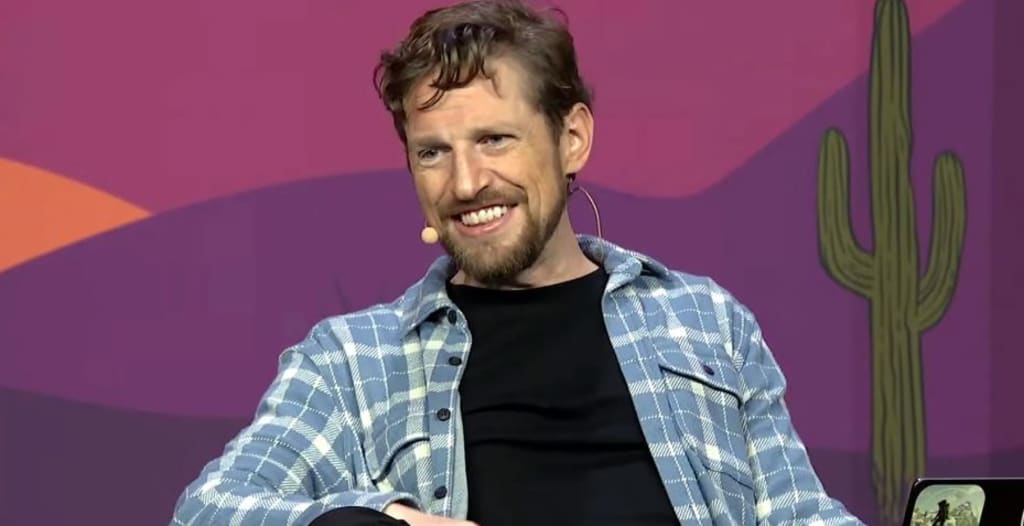
The drama surrounding Automattic, the parent company of WordPress.com, has taken a surreal turn. Just days after the company’s board voted to place founder Matt Mullenweg on paid leave and appoint CFO Mark Davies as interim CEO, an official statement has confirmed that Mullenweg is back in charge. The announcement, issued late Saturday evening, marks the end of a chaotic 72-hour period that blurred the lines between corporate procedure, digital security, and public relations warfare.
The Ouster
The sequence of events began on Wednesday, September 9, when the Automattic board voted to remove Mullenweg from his role as CEO. According to reports, Mullenweg was given only fifty minutes’ notice before the meeting and was denied his request to delay the vote so he could consult with legal counsel. The board cited unspecified reasons for the move, installing Mark Davies, the company’s CFO, as interim CEO. At the time, Automattic issued a terse, three-sentence statement:
“Matt Mullenweg is currently on leave from Automattic. Mark Davies, Automattic’s CFO, will lead the company as interim CEO. The Board has full confidence in Mark’s leadership and in the team’s ability to execute against the company’s priorities.”
The statement was formal, vetted, and definitive. It signaled a clean break and a transition of power. But in the digital age, power is not just about titles; it is about access.
In what appears to be a critical oversight, Automattic failed to revoke Mullenweg’s administrative access to the company’s internal Slack workspace. Seizing this opportunity, Mullenweg logged in, removed other administrators, and began posting messages to the entire company claiming he was back in control. He used the platform to rally staff, share his perspective on the board’s decision, and effectively bypass the official chain of command.
For two days, the situation was ambiguous. Was Mullenweg truly back in charge, or was he merely trolling from the sidelines? TechCrunch captured the uncertainty with the headline: “Matt Mullenweg tells (trolls?) Automattic staff, saying he’s back in control after CEO ouster.” While he controlled the internal narrative on Slack, he lacked an official external endorsement from the company itself.
Mullenweg did not wait for official validation. He launched a coordinated campaign on social media, amplifying supportive tweets from employees known as "Automatticians" and key figures in the WordPress ecosystem. Mary Hubbard, Executive Director of the WordPress project, tweeted her relief and support, stating, “Having WordPress’s Co-founder and Project Lead at the helm gives me confidence that their support will remain strong.”
This display of unity created a powerful optical counter-narrative to the board’s decision. By reposting every supportive comment, Mullenweg drowned out dissenting voices and projected an image of overwhelming internal backing. The message was clear: the board may have voted, but the people had spoken.
The Reinstatement
Late on Saturday, September 12, the dam broke. Automattic issued a new official statement, but it was unlike anything seen in traditional corporate communications. Gone was the formal, third-person language of the previous announcement. In its place was a single, run-on sentence that felt personal, almost defensive:
“Matt Mullenweg is the chairman and CEO of Automattic, with full support of the board, and if you search online you can see many top executives and Automatticians supporting him as well.”
The tone shift was stark. The first statement was a corporate decree; the second was a plea for verification. It invited readers to "search online" to confirm the truth, relying on the social media blitz Mullenweg had orchestrated to validate the company’s official position. This unusual phrasing led many to speculate that the statement was dictated or authored by Mullenweg himself, rather than by a corporate communications team.
The reinstatement of Matt Mullenweg raises serious questions about corporate governance and digital security. How did the board lose control of the narrative so quickly? Why was administrative access not revoked immediately upon termination? And what does this mean for the relationship between Mullenweg and the board members who voted to remove him?
For now, the crisis appears to be over. Mullenweg is back, the board claims to support him, and the employees have rallied around their founder. But the underlying tensions that led to his initial ouster remain unaddressed. The legal battles with WP Engine, the controversial layoffs, and the cultural shifts within the company have not disappeared.
Automattic has survived a corporate coup, but it has done so in a way that exposes the fragility of modern tech leadership. In a world where access to a Slack channel can undo a board vote, power is no longer just about equity or titles. It is about who controls the conversation. And for now, Matt Mullenweg holds the microphone.
About the Creator
Mark Lim
Hi I am mark an automotive student and a car, tech and food enthusiast ! Im gonna try and post daily & hope you enjoy what I write and do share my page with people you know. I would gladly appreciate it! Cheers
Enjoyed the story? Support the Creator.
Subscribe for free to receive all their stories in your feed.
Comments
There are no comments for this story
Be the first to respond and start the conversation.