
How Long Does It Take For Periodontitis To Go Away?
How Long Does It Take for Periodontitis to Heal

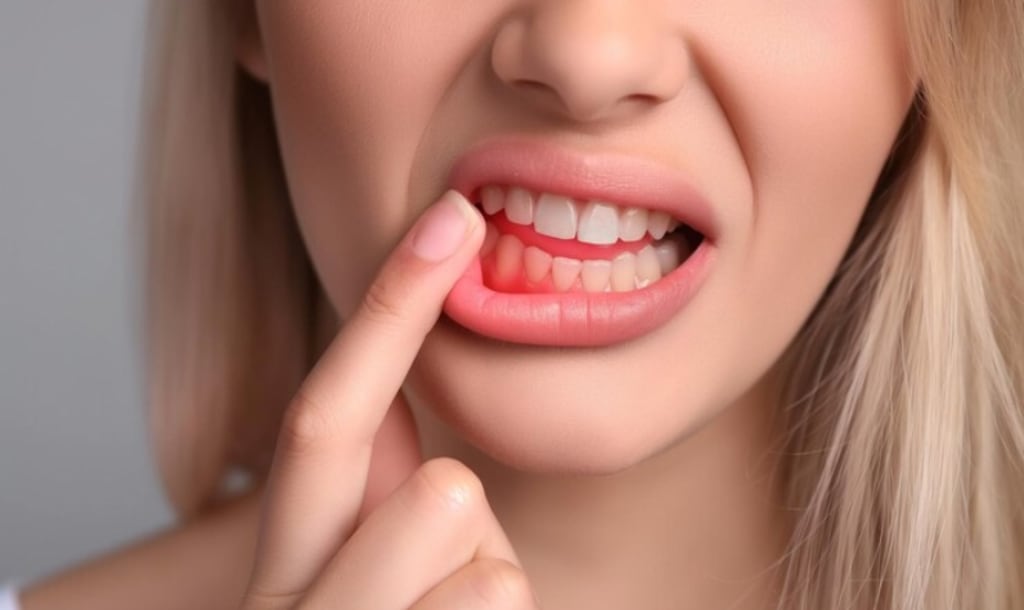
Understanding the Timeline of Periodontitis Healing
Periodontitis, a serious gum infection, causes inflammation and damage to the tissues supporting your teeth. It’s a progressive condition that can lead to tooth loss if ignored. Many people battling this infection want to know: how long will it take for periodontitis to go away? The answer depends on several factors, including the stage of the disease, treatment approach, and personal oral hygiene habits.
Periodontitis does not resolve on its own. Without intervention, it worsens over time. However, with proper care and professional gum disease treatment, the infection can be controlled, and damage can be minimized. Healing is a gradual process, and time frames vary widely among individuals.
Early vs. Advanced Periodontitis Healing Duration
The stage of periodontitis drastically affects how long it takes to improve. In the early stage, sometimes called mild periodontitis, tissue inflammation and bone loss are minimal. Treatment usually starts with deep cleaning methods like scaling and root planing. For many, noticeable improvement occurs within 2 to 4 weeks after treatment. Gum tissues regain health, bleeding reduces, and discomfort subsides.
On the other hand, advanced periodontitis involves significant bone loss, deep gum pockets, and sometimes tooth mobility. Healing takes longer because more extensive damage requires comprehensive treatment, often including surgery. In these cases, the recovery period may stretch from several weeks to months. Follow-up care and maintenance visits become critical to prevent relapse.
The Role of Professional Care in Recovery
Professional intervention stands at the core of successful healing from periodontitis. Dentists or periodontists customize treatment plans based on individual assessments. The standard approach begins with removing plaque and tartar buildup through scaling and root planing, which can take one or more sessions depending on severity.
Occasionally, antibiotics or antimicrobial agents support healing by suppressing harmful bacteria. For deep pockets or severe tissue loss, surgical procedures may be essential. These might include flap surgery or regenerative techniques to restore bone and gum structures. Healing after surgery generally requires more time and diligent care but significantly improves long-term outcomes.
Daily Oral Hygiene’s Impact on Recovery Speed
Healing cannot proceed effectively without consistent, thorough oral hygiene practices at home. Brushing at least twice a day with a soft-bristle toothbrush and fluoride toothpaste, alongside daily flossing, helps remove bacterial buildup that fuels inflammation. Patients often notice quicker improvements when they follow professional advice rigorously.
Using an antibacterial mouthwash can further reduce harmful microbes and soothe irritated gums. In addition, lifestyle adjustments like quitting smoking hugely benefit healing, as smoking delays tissue repair and worsens gum disease progression. Maintaining a balanced diet rich in vitamins and minerals supports immune function and tissue regeneration.
Signs Periodontitis Is Improving
Tracking recovery can motivate patients to maintain treatment plans. Early signs that periodontitis is responding well include reduced gum redness and swelling. Bleeding during brushing or flossing should decrease noticeably within a few weeks. You might also feel less discomfort or sensitivity around affected teeth.
Gum pockets, measured by your dental professional, typically shrink as healing occurs. While complete restoration of damaged bone is challenging, halting further destruction is a major success indicator. Regular check-ups allow your dentist to assess progress and adjust treatment if necessary.
Why Complete "Cure" Is Rare, But Control Is Possible
It’s important to understand that periodontitis is a chronic condition. While professional gum disease treatment can stop progression and improve symptoms, fully reversing existing damage to bone and connective tissues remains difficult. The goal shifts to controlling infection and preserving oral health rather than expecting an absolute cure.
Ongoing maintenance therapy plays a critical role after initial treatments. Most patients require regular cleanings and evaluations every 3 to 6 months to keep bacteria in check and catch flare-ups early. Skipping these appointments increases the risk of relapse and further complications.
Factors Affecting Healing Time
Several elements influence how quickly periodontitis heals and the long-term prognosis:
Severity of Infection: Deeper pockets and more extensive bone loss take more time and effort to manage.
Overall Health: Conditions like diabetes or immune deficiencies can slow recovery and complicate treatment.
Age: Younger patients tend to heal faster due to better tissue regeneration capacities.
Commitment to Aftercare: Following post-treatment guidelines and maintaining good oral hygiene accelerate healing.
Smoking and Alcohol Use: Both habits impair immune response and prolong inflammation.
By addressing these factors, patients improve their chances of quicker and more effective healing.
Empowering Yourself Through Knowledge and Action
Understanding how long periodontitis takes to heal helps set realistic expectations and encourages patience during the recovery journey. It also highlights the vital importance of prompt diagnosis and early treatment to avoid prolonged discomfort and irreversible damage.
If you suspect gum disease symptoms such as persistent bad breath, swollen gums, or tooth mobility, seek evaluation immediately. Early action not only shortens healing time but also reduces treatment complexity and costs.
Taking Charge: What to Expect from Gum Disease Treatment
When you begin gum disease treatment, expect a comprehensive approach. Your dental team will likely perform a thorough examination including X-rays and periodontal probing to measure pocket depths. Treatment may start with professional cleaning to remove irritants below the gumline.
After initial therapy, follow-up visits gauge healing and determine if further steps like surgery are needed. You will receive detailed guidance on home care techniques and lifestyle modifications to support tissue recovery. Staying disciplined during this period is essential for full benefit.
Periodontitis can take weeks to months to show significant improvement, depending on its severity and the treatment approach. Healing is most successful with professional intervention combined with excellent at-home care. Remember, full reversal of damage is uncommon, but the progression of periodontitis can be stopped and controlled effectively with ongoing maintenance.
Stop periodontitis from progressing by committing to your personalized gum disease treatment plan, attending regular dental check-ups, and practicing diligent oral hygiene. Protecting your gums today ensures a healthier, brighter smile for years to come.
About the Creator
Smiland Dental Fort Lauderdale
Smiland Dental in Fort Lauderdale offers expert care, including Invisalign, dentures, All-on-4 implants, and emergency dentistry. Trust our dentist in Fort Lauderdale for quality, comfort, and confidence in every smile.
Enjoyed the story? Support the Creator.
Subscribe for free to receive all their stories in your feed.
Comments
There are no comments for this story
Be the first to respond and start the conversation.