
How Long Do Implants Last? Facts and Figures
Understanding Implant Structure

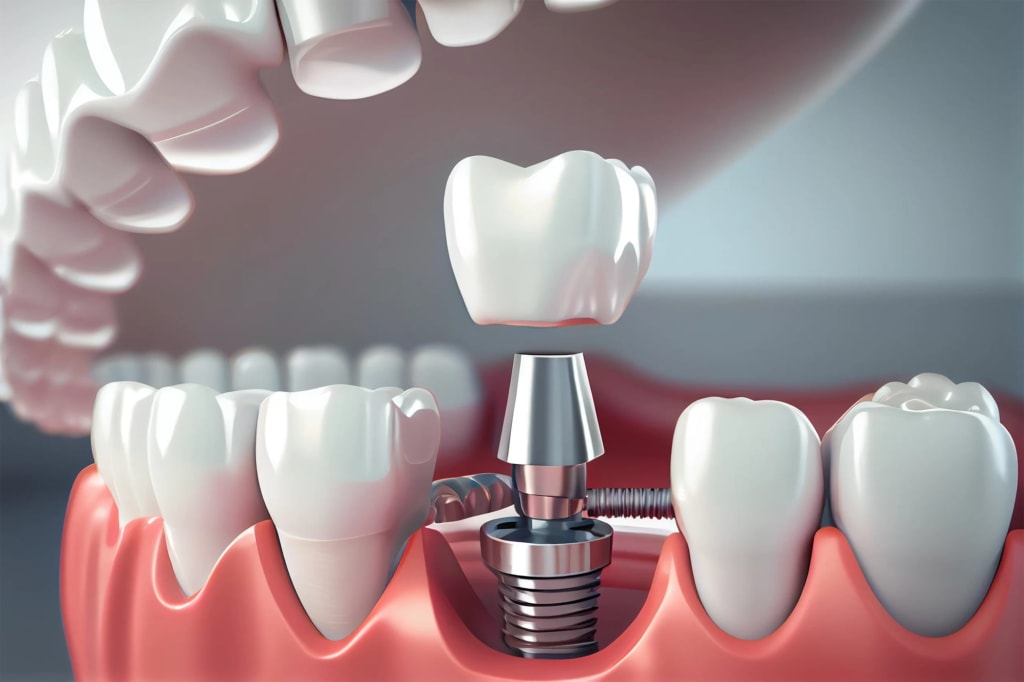
To better grasp how long implants last, it helps to understand what they’re made of. Each implant consists of three core components: the post (titanium or zirconia), the abutment, and the crown. The post, which acts like a synthetic tooth root, is surgically placed in your jawbone. The abutment connects the post to the crown—the visible part that mimics your natural tooth.
While the crown may need replacement over time, the implant post can last decades when placed correctly and maintained well. This multi-part system plays a significant role in longevity. If one part needs repair or replacement, the others can still function properly.
What the Research Tells Us
Clinical data and real-life results
According to numerous long-term studies, dental implants have a success rate of over 95% after ten years. In fact, some implants have been documented to last for over 25 years in healthy individuals with good oral hygiene. The American Academy of Implant Dentistry and several peer-reviewed journals have confirmed that implant-supported restorations are among the most reliable dental procedures available.
Still, lifespan isn’t identical for everyone. Genetics, maintenance, surgical expertise, and even diet can make a difference. These studies aren’t just clinical findings—they’re real-world results from diverse patient populations.
Key Factors That Influence Implant Longevity
Beyond the basics: what truly makes them last
Oral Hygiene Habits
Good brushing and flossing routines keep your gums healthy, which helps maintain the implant's stability. Neglecting your oral care can lead to peri-implantitis—a gum disease that causes bone loss around the implant.
Lifestyle Choices
Smoking, excessive alcohol, and a diet high in sugar can significantly reduce implant lifespan. On the flip side, a balanced diet rich in vitamins and minerals supports bone health and soft tissue integrity.
Jawbone Quality
Implants need a solid foundation. If your jawbone has deteriorated due to periodontal disease or trauma, the implant’s success rate can drop. However, bone grafts can often rebuild the area before implantation.
Dentist Skill and Technology
Experience matters. A well-placed implant by a dentist who uses 3D imaging and guided surgery tools will likely last longer. Misalignment or poor placement can result in early failure—even with excellent patient care.
General Health Conditions
Patients with diabetes, autoimmune disorders, or osteoporosis may face higher risks. That doesn’t mean implants are off-limits, but proper medical management and regular dental check-ups become even more important.
Longevity of the Implant Post vs. Crown
Which part outlasts the other?
The titanium post is remarkably durable and integrates with the jawbone through a process called osseointegration. It can last 25 years or more, often a lifetime. The crown, however, undergoes regular chewing pressure and cosmetic wear. On average, it may need replacement every 10–15 years.
Some high-quality ceramic crowns may last up to 20 years, especially if you avoid grinding your teeth and get them checked during regular cleanings. The good news is that replacing the crown doesn’t require redoing the implant post.
Tips to Extend the Life of Your Implants
Daily habits that make a big difference
Brush twice daily: Use a soft-bristled toothbrush and low-abrasive toothpaste.
Floss daily: Special floss or interdental brushes work well for implants.
Wear a night guard: If you grind your teeth, a guard can prevent damage to the crown.
Schedule checkups every 6 months: Professional cleanings remove plaque that toothbrushes can’t reach.
Avoid using teeth as tools: Don’t open bottles or packages with your teeth.
Each of these tips helps prevent complications and improves implant longevity.
Common Causes of Early Implant Failure
Why some don’t last as long as expected
Infection
Poor hygiene can lead to bacterial infection, jeopardizing the bone-implant connection. Symptoms include swelling, bleeding, and a loose implant.
Poor Placement
If the implant is not aligned correctly or placed in an area with insufficient bone, it may not integrate properly. This can lead to wobbling or failure within months.
Rejection or Allergic Reactions
Although rare, some patients may have an allergic reaction to titanium. Zirconia implants are an alternative for these cases.
Overload
Biting forces that are too strong—often due to bruxism or uneven bite—can stress the implant. Regular adjustments can help distribute pressure more evenly.
Age Is Just a Number
Are implants right for seniors and young adults alike?
Older adults often wonder if they’re too old for implants. The truth? There’s no upper age limit. As long as you’re healthy and have enough bone density, you’re a candidate. In fact, many seniors report improved nutrition and self-esteem after implant surgery.
For younger adults, implants are also a viable solution, especially for those who lost teeth due to trauma or congenital issues. Dentists usually wait until jawbone growth is complete—around age 18—before placing implants.
Comparing Implants to Other Tooth Replacement Options
Why they often last longer
Let’s consider the lifespan of bridges and dentures. Traditional bridges last about 7–10 years, and dentures often require relining or full replacement every 5–8 years. In contrast, implants provide a much more stable and enduring option. Plus, they help preserve the jawbone and maintain facial structure, something removable options cannot offer.
While the upfront cost may be higher, the long-term value of implants often outweighs that of other restorative methods.
Real Patient Experiences
Longevity in everyday life
Many patients who received implants over a decade ago still enjoy the same function and aesthetics. One patient in her 70s had implants placed 15 years ago and maintains them with daily care and regular dental visits. She claims they feel just like her natural teeth—and hasn’t had to replace them once.
Another patient who had a sports injury in his 30s chose implants and, two decades later, reports no issues. These real-world stories reinforce the scientific data: with the right approach, implants last.
Final Thoughts
Dental implants are one of the most durable and dependable options in restorative dentistry. Their ability to integrate with bone, resist decay, and function like natural teeth makes them a top choice for many patients. Still, their longevity depends heavily on care, lifestyle, and professional support. If you're looking for long-term dental solutions, choosing Dental Implants Easley could be a transformative step toward lasting oral health.
About the Creator
Cove Dental Care Easley
Welcome to our warm, welcoming Easley, SC dental office! Dr. Carraway specializes in expert dental restorations and compassionate care, helping even the most hesitant patients smile with confidence. New patients are always welcome!
Enjoyed the story? Support the Creator.
Subscribe for free to receive all their stories in your feed.
Comments
There are no comments for this story
Be the first to respond and start the conversation.