
How live event engraving Turns Ordinary Products into Personal Keepsakes
Learn how live event engraving works at UK pop-ups and brand activations, why people love it, what items suit it best, and how to plan engraving for events safely and smoothly.

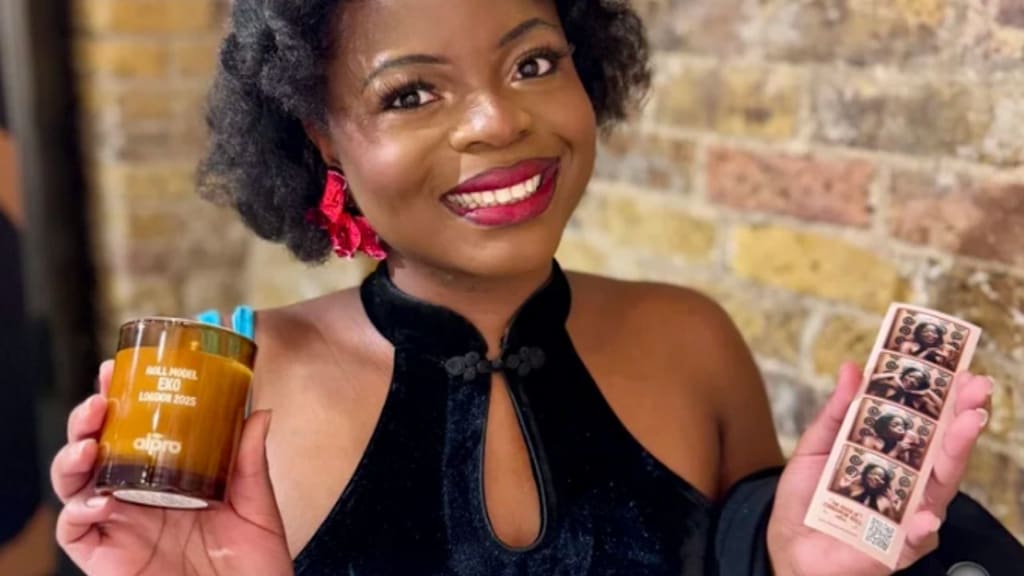
You know when you buy something nice, but it still feels like “just a thing”? Then someone adds your name, a date, or a small message, and suddenly it feels like yours. That is the magic behind personalised engraving at pop-ups, festivals, shops, and launches. People don’t just watch it happen—they see the item change right in front of them.
This article explains how it works, what makes it special, and what to think about if you’re planning engraving for events in the UK.
What is live event engraving?
live event engraving means an item gets engraved while people are at the event. It happens on the spot, often in a small booth or a tidy work area. A guest picks an item (or brings one), chooses what to engrave, and then watches the engraving being made.
It is different from ordering online because:
- the waiting time is short (often minutes, not days)
- people can see the process
- it feels like part of the event, not just shopping
The finished item is usually a gift, a memory, or something to keep for years.
How the engraving is done
There are a few common ways engravers mark a surface. The best choice depends on the material and the look you want.
Onsite laser engraving
onsite laser engraving uses a focused beam of light to mark the surface. Can make clean lines and fine detail (such as initials, logos, and small dates). Is popular because it could be fast and reliable.
At events, laser setups are usually placed:
- behind a safe screen or cover
- in a controlled area so the public can’t touch moving parts
- with ventilation to manage smells and fumes
Other engraving methods you might see
- Mechanical engraving: a tool scratches into metal or plastic.
- Hand engraving: done by a skilled person with tools (slower, very craft-based).
- Etching or marking on glass: sometimes done with special tools, depending on the venue rules.
A good operator will tell you what is safe and what will look clear on the item.
Why it feels so special at UK events
live event engraving works so well because it mixes three things people like:
- A short story to take home
“I got this done at that event” is a real memory, not just a product.
- A bit of control
Choosing the name, the font, or the message makes it personal. Even a simple “Mum 2026” can mean a lot.
- A small performance
Watching the marking happen feels like a mini show. People often film it, but even without filming, the moment sticks in your head.
It also suits lots of UK event styles—street markets, museum late openings, sports hospitality, product launches, and winter fairs—because it fits into small spaces and can run in short time slots.
What items turn into great keepsakes?
Not everything engraves well, but many everyday items do. Here are common choices people enjoy at events:
Metal items
- keyrings and tags
- jewellery pieces (simple pendants, bracelets)
- pens and small tools
- drinkware (when suitable)
Metal often gives the clearest result, especially for initials.
Wood and leather
- wooden gift boxes
- coasters
- leather key fobs or notebook covers
These can look warm and “crafty”, which is great for gift vibes.
Glass (when the setup supports it)
- glasses or bottles
- awards and small plaques
Glass needs extra care because it can chip if done wrongly, so it depends on the equipment and the operator.
A quick note about plastics
Some plastics engrave well, some do not. Certain plastics can give off harmful fumes (PVC is a common example to avoid). This is why responsible teams check materials before they engrave.
When “engraving for events” works best
Not every event needs it, but it fits well when:
- guests are already buying gifts (holidays, weddings, Mother’s Day pop-ups)
- the event celebrates an achievement (awards, graduations, sports)
- a brand wants people to keep an item, not throw it away
- the crowd will queue happily for a few minutes
It can also help reduce waste, because people are more likely to keep a personalised item for longer.
Planning live event engraving: a simple checklist
If you are organising an event, the best results come from planning the boring bits early. Here are key points that matter in the UK.
Space and layout
You need a stable table, a clear queue area, and enough room so people don’t lean over equipment.
Power and safety
Check plug sockets, cable covers, and venue rules. Some venues ask for PAT-tested equipment and proof of insurance.
Ventilation
Even safe marking can smell. A proper setup may use filters or extraction, depending on the material.
Time per item
The engraving itself can be fast, but choices take time. Have a simple menu: initials, short names, or a few design options.
Spelling check
The most common mistake is a name spelled wrong. A good system is: the guest writes it down, then confirms it before engraving.
Data and privacy (simple but important)
If names are written on forms or saved on a device, handle them carefully. In the UK, organisers should think about basic privacy and not keep personal details longer than needed.
For example, UK-based teams such as MakersCAFE are known for running event-style making and personalisation experiences. Whether it’s them or another provider, the same planning points still apply.
Keeping it meaningful (not just “extra text”)
Personalised engraving is best when the message is short and true. Good ideas include:
- initials + a date
- a place name (“London”, “Manchester”)
- a short thank-you
- a small inside joke (as long as it’s appropriate for the setting)
Short text also looks cleaner and is less likely to be cut off on small items.
Quick FAQs
How long does onsite laser engraving take?
Often a few minutes per item, but queues and choosing the design can add time.
Does engraving damage the item?
It marks the surface on purpose. When done correctly on the right material, it should look clean and controlled.
Can people bring their own items?
Sometimes yes, but the operator must confirm the material is safe and will engrave well.
Is it suitable for kids’ events?
Yes, if the workspace is controlled and supervised, with clear safety barriers and no hands near equipment.
Final thoughts
A product can be useful, but a personalised product can feel like a memory you can hold. That is why live event engraving keeps showing up at UK events: it’s quick, meaningful, and easy to understand. When the process is safe and well-planned, it turns everyday objects into keepsakes that people actually want to keep.
About the Creator
MakersCAFE
MakersCAFE creates unforgettable experiences with live laser engraving and personalized brand activations. From events to trade shows, we help brands connect with their audience in unique and meaningful ways.
Enjoyed the story? Support the Creator.
Subscribe for free to receive all their stories in your feed.
Comments
There are no comments for this story
Be the first to respond and start the conversation.