
How Invisalign Aligners Affect Your Bite and Jaw Alignment
Understanding the link between aligners, occlusion, and facial balance

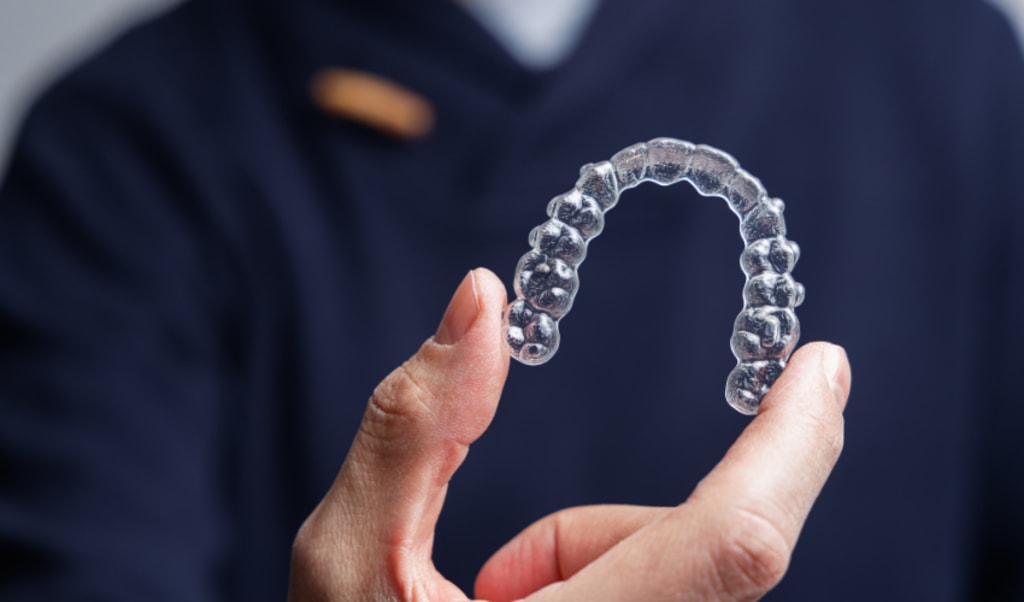
A properly aligned bite isn’t just about straight teeth—it affects your ability to chew, speak, and even breathe. Your bite, or occlusion, refers to how your upper and lower teeth come together when your mouth is closed. When this alignment is off, your entire jaw can be impacted. Over time, it may lead to issues like chronic jaw pain, uneven tooth wear, and even TMJ disorders.
This is where clear aligners like Invisalign come into play. Unlike traditional braces that focus mainly on tooth position, Invisalign also considers how the teeth and jaw work together. By gradually guiding teeth into better positions, Invisalign helps bring the bite back into balance.
How Clear Aligners Adjust Jaw Position
Invisalign aligners apply controlled force to shift teeth in small increments. Each set of trays is designed to move specific teeth at specific times. But beyond the cosmetic changes, these aligners also influence how your jaw functions. When the teeth are not aligned correctly, the jaw compensates, which can result in tension and muscle strain. By correcting tooth positions, the jaw settles into a more natural position.
Aligners work three-dimensionally. They not only push teeth forward or backward but also rotate them and adjust their tilt. As the alignment of the teeth improves, the jaw naturally follows. This holistic effect can relieve discomfort and improve overall symmetry in the face.
Signs of a Misaligned Bite
Many people live with bite issues without realizing it. Here are some signs that your bite might be off:
- Frequent jaw soreness or clicking
- Uneven wear on teeth
- Headaches, especially in the temples or behind the eyes
- Difficulty chewing or biting down evenly
- Tooth sensitivity, especially to cold
These signs suggest that your jaw is not functioning at its best. Addressing these issues early with aligners can prevent more severe dental problems down the line.
Beyond Straight Teeth: The Functional Impact
Straight teeth are aesthetically pleasing, but their role in functional health is just as critical. Proper alignment allows the jaw muscles and joints to work efficiently. When teeth are crooked or crowded, the jaw has to work harder to chew and speak. This extra effort can wear down joints and contribute to temporomandibular joint disorders.
Invisalign is engineered to promote functional improvement. As teeth become better aligned, the pressure on the jaw joints reduces. Patients often report less tension in their jaws and face as treatment progresses. This is not just a visual upgrade—it's a mechanical correction that enhances day-to-day comfort.
The Relationship Between Jaw Growth and Tooth Movement
Teeth and jaws are part of an interconnected system. During adolescence, jaw growth and tooth eruption work together to establish alignment. However, when alignment goes off track, it can disrupt the balance. Invisalign is particularly effective at guiding this process in teenagers, but it also works well for adults by correcting years of misalignment.
Because Invisalign trays are custom-made, they can be tailored to guide not just the teeth, but also to influence how the jaw closes. Over time, this coordination leads to improved facial harmony and function.
Addressing Overbites, Underbites, and Crossbites
Invisalign isn't just for mild crowding. It can handle complex issues like:
- Overbites: Where the upper teeth significantly overlap the lower
- Underbites: Where the lower teeth extend past the upper
- Crossbites: When upper and lower teeth do not align properly side-to-side
These malocclusions impact how the jaw moves during everyday functions. Invisalign trays gradually correct these patterns, allowing the jaw to rest and operate in a healthier position. As bite improves, you’ll likely notice changes in speech clarity, chewing efficiency, and even posture.
How Long Does It Take to Improve Bite and Jaw Alignment?
While cosmetic improvements can be visible within a few months, correcting bite alignment is a longer process. The average Invisalign treatment lasts between 12 to 18 months, but it varies depending on the complexity of the case. Correcting bite and jaw alignment often takes longer than straightening teeth, because it involves modifying the relationship between the teeth and the supporting bone.
Regular check-ins with your provider ensure that everything is moving according to plan. Digital scans help track progress and allow adjustments if needed. Patience and consistency are key to achieving long-term success.
Jaw Pain Relief with Aligners
People suffering from TMJ issues often look for alternatives to surgery or nighttime mouth guards. Invisalign can be a solution when the root cause of the jaw pain is misalignment. As the trays correct the tooth and jaw position, pressure on the joint eases. This can reduce inflammation and alleviate symptoms like popping, locking, and pain around the ears.
However, not all TMJ disorders are caused by alignment issues. That’s why a thorough evaluation is crucial before beginning treatment. A trained provider can determine if Invisalign is the right approach for your specific case.
Why Consistency Matters During Treatment
Success with Invisalign depends heavily on wearing the aligners consistently—usually 20 to 22 hours a day. Missing hours can delay progress and lead to uneven movement. For bite correction especially, consistency ensures that the jaw adapts smoothly to new positions.
It’s also important to follow your dentist’s guidance on switching trays. Each set is timed to make precise changes, so skipping ahead or lagging behind can disrupt your alignment journey.
The Long-Term Benefits of Proper Alignment
Once your bite and jaw alignment are corrected, you’re not just getting a better smile—you’re protecting your future health. Misalignment can lead to a cascade of issues over time: tooth fractures, gum recession, chronic pain, and even sleep disorders. Invisalign helps avoid these complications by addressing the root cause early.
Retainers play a crucial role after treatment. They preserve the new bite and prevent the jaw from shifting back to old habits. Think of it as securing your investment in better health and function.
What Patients Are Saying
Many Invisalign users notice changes they didn’t expect—less facial tension, improved chewing, and better sleep. These aren’t just cosmetic perks; they reflect real functional improvements. When your teeth and jaw are aligned, your entire system works more efficiently.
Even those who began treatment for minor cosmetic issues often report that they feel better overall. These stories highlight how closely linked oral alignment is to total wellness.
A Smarter Choice for Comprehensive Alignment
Choosing Invisalign isn’t just about aesthetics. It’s a comprehensive treatment that reshapes the way your teeth and jaw function together. If you’ve experienced issues with your bite or frequent jaw discomfort, it’s worth exploring whether this system can offer a solution.
Many patients in Invisalign Union have already discovered how aligners go beyond straight teeth to support better bite mechanics and jaw balance. It's more than a smile upgrade—it's a step toward long-term wellness.
About the Creator
Duo Dental Group Union
Duo Dental Group Union is your top-rated dentist Union! We're here to help you with your dental care needs. Stuck in a dental emergency? We've got you covered! Our emergency dentists provide prompt assistance to dental emergencies.
Enjoyed the story? Support the Creator.
Subscribe for free to receive all their stories in your feed.
Comments
There are no comments for this story
Be the first to respond and start the conversation.