
How Food Businesses Can Stand Out in a Competitive Market
The Food Industry Has Become More Competitive Than Ever

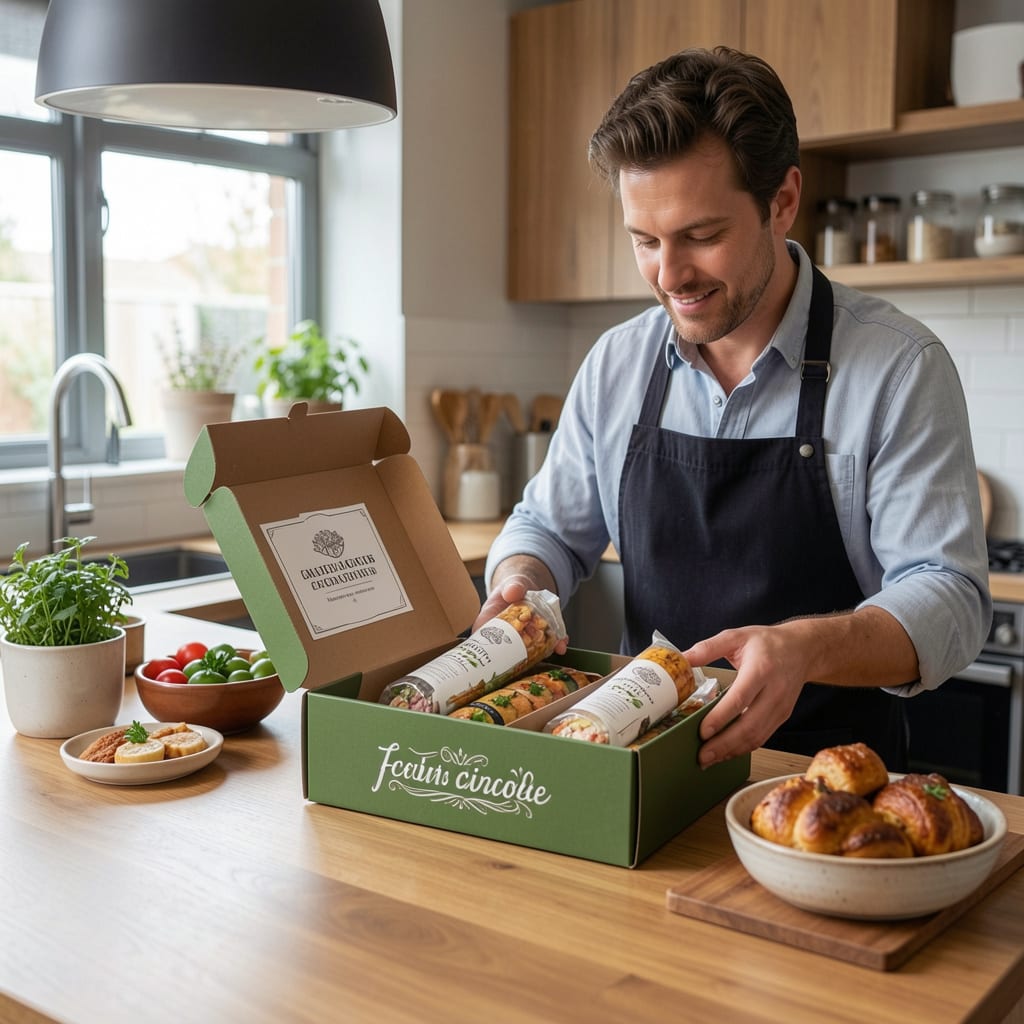
The food business has always been competitive, but in recent years the competition has increased dramatically.
Restaurants, cafes, bakeries, food delivery services, and snack brands are all fighting for customer attention at the same time. Social media and food delivery apps have made it easier for customers to explore new options daily, which means loyalty is harder to maintain than before.
Today, customers are not only judging food quality. They are also evaluating:
Presentation
Branding
Packaging
Customer experience
Convenience
Because of this shift, food businesses must think beyond taste alone if they want long-term success.
Why Product Quality Alone Is No Longer Enough
At one point, many food businesses believed great taste would automatically create loyal customers.
While food quality remains essential, customer expectations have evolved significantly.
Modern consumers now value the complete experience surrounding the product. They notice details that businesses previously ignored, including how food is presented, delivered, and packaged.
This change has transformed branding into one of the most important competitive tools in the food industry.
The Role of First Impressions in Food Branding
One important realization is that customers often form opinions before even tasting the product.
Packaging, presentation, and branding influence perception immediately.
If the product looks professional and thoughtfully packaged, customers naturally expect higher quality. Conversely, poor presentation can reduce excitement and confidence before the food is even opened.
This psychological effect plays a major role in modern customer behavior.
A Shift in Perspective
Initially, packaging was mainly treated as a practical necessity for transportation and protection.
But over time, businesses began realizing that packaging also communicates brand identity and professionalism.
This completely changed how successful food businesses approached presentation.
A Practical Realization
During this phase, I started understanding the growing importance of custom food packaging boxes with logo 110, which help food businesses improve branding, create stronger customer recognition, and deliver a more professional customer experience.
This highlighted how packaging itself has become part of the overall marketing strategy in the food industry.
Why Branding Matters in the Food Industry
Food businesses often sell products that are visually similar to competitors.
For example:
Coffee shops sell coffee
Bakeries sell pastries
Restaurants offer similar menu categories
Because products can appear similar, branding becomes the key differentiator.
Strong branding helps customers remember a business more easily and creates emotional connection beyond the product itself.
How Packaging Influences Customer Psychology
Packaging affects customer emotions more than many business owners realize.
Attractive packaging creates feelings of:
Excitement
Professionalism
Trust
Quality
Customers naturally associate organized presentation with higher standards.
This emotional response influences how they remember the experience overall.
Why Social Media Changed Food Marketing
Social media has transformed the food industry completely.
Customers now regularly share:
Food photos
Delivery experiences
Unboxing videos
Restaurant visits
This means packaging and presentation often become free marketing tools.
Visually appealing packaging increases the chances of customers sharing their experiences online, which improves visibility organically.
The Importance of Consistent Branding
Consistency is one of the strongest branding strategies any food business can use.
Customers should recognize the brand instantly through:
Colors
Packaging style
Logo placement
Design patterns
Consistent branding improves familiarity, and familiarity increases customer trust over time.
Why Packaging Supports Customer Retention
Acquiring new customers is expensive in the food industry.
Advertising costs continue rising, and competition remains intense.
Because of this, retaining existing customers becomes extremely valuable.
Positive experiences encourage repeat purchases, and packaging contributes directly to those experiences.
Customers remember businesses that make them feel valued and impressed.
A Lesson for Food Business Owners
If there’s one thing I would say, it’s this: presentation matters just as much as preparation in modern food businesses.
Customers are buying experiences, not just meals.
Professional branding and thoughtful packaging help businesses create stronger emotional connections with customers.
Those emotional connections often influence loyalty more than price alone.
Why Small Food Businesses Need Branding the Most
Large food chains already benefit from public recognition and massive marketing budgets.
Small businesses, however, must build credibility more carefully.
Professional packaging helps smaller brands appear more established and trustworthy.
Even simple improvements in presentation can dramatically improve customer perception.
Sustainability Is Becoming Increasingly Important
Modern consumers are also becoming more environmentally conscious.
Many customers now prefer businesses that use:
Recyclable packaging
Eco-friendly materials
Minimal waste solutions
Food businesses that combine strong branding with sustainable practices may build stronger long-term customer trust.
The Role of Convenience in Modern Food Services
Convenience now plays a huge role in customer satisfaction.
Food delivery services have changed customer expectations completely.
Packaging must now support:
Safe transportation
Freshness preservation
Easy handling
Attractive presentation
This makes packaging both a functional and branding tool at the same time.
Thinking Long-Term About Brand Growth
Strong food brands are built gradually through repeated positive experiences.
Every customer interaction contributes to long-term reputation.
Packaging becomes part of this process because customers interact with it directly during every order.
Over time, memorable presentation strengthens brand recall and loyalty.
Why Emotional Connection Drives Customer Loyalty
Customers often return to businesses that create positive emotional experiences.
Thoughtful presentation makes customers feel:
Appreciated
Valued
Excited
This emotional reaction increases the likelihood of repeat business and recommendations.
Final Thoughts
Looking back, I realized that modern food businesses compete through much more than taste alone.
Branding, presentation, packaging, and customer experience now play major roles in determining long-term success.
Businesses that invest in thoughtful presentation create stronger customer impressions and stronger emotional connections.
Because in the end, successful food businesses are not simply remembered for what they serve—they are remembered for how they make customers feel throughout the entire experience.
And when businesses combine quality food with professional branding and presentation, they create stronger loyalty, stronger recognition, and stronger long-term growth in an increasingly competitive marketplace.
About the Creator
Jack Root
Jack Root delivers innovative IT & software solutions — from web & app development to ERP & SAP training — empowering businesses to grow.
Enjoyed the story? Support the Creator.
Subscribe for free to receive all their stories in your feed.
Comments
There are no comments for this story
Be the first to respond and start the conversation.