
How Fashion Brands Create Emotional Customer Connections That Drive Loyalty and Long-Term Growth
Discover how fashion brands build emotional customer connections through presentation, storytelling, customer experience, visual identity, and premium brand perception in today’s competitive fashion industry.

Introduction
Modern consumers no longer purchase fashion based solely on price or functionality. Today’s fashion market is deeply emotional, experience-driven, and influenced by perception. Customers are drawn toward brands that make them feel understood, inspired, confident, and connected to a larger lifestyle or identity.
This shift has transformed how successful fashion businesses approach branding, product presentation, customer experience, and communication. Whether it’s a luxury clothing label, an independent boutique, or a fast-growing e-commerce apparel brand, emotional connection has become one of the strongest drivers of customer loyalty and long-term business success.
Fashion is personal by nature. People wear clothing to express individuality, status, values, creativity, and belonging. As competition in the fashion industry continues to grow, brands that create memorable emotional experiences stand out far more effectively than those focused only on selling products.
From visual merchandising and online presentation to packaging and social media aesthetics, every customer interaction shapes how a fashion brand is perceived. The strongest brands understand that emotional branding is not built through advertising alone — it is built through consistent experiences that customers remember and trust.
Why Emotional Connection Matters in Fashion
Fashion purchasing decisions are often emotional before they become logical. Customers may justify purchases with practical reasons later, but the initial attraction is usually emotional.
A customer might choose one clothing brand over another because it feels more premium, more relatable, more aspirational, or more aligned with their personal identity. This emotional response influences:
Brand loyalty
Repeat purchases
Social sharing
Word-of-mouth marketing
Customer trust
Perceived product value
Fashion brands that successfully create emotional customer connections are more likely to retain customers even in highly competitive markets.
In many cases, customers are not simply buying clothing. They are buying confidence, self-expression, lifestyle alignment, and a sense of belonging.
The Power of First Impressions in Fashion Branding
First impressions strongly influence how customers perceive a fashion brand. Before touching a product or evaluating its quality, customers react visually.
This is why fashion product presentation plays such an important role in modern retail and e-commerce.
Elements that shape first impressions include:
Website design
Product photography
Brand colors
Packaging aesthetics
Typography
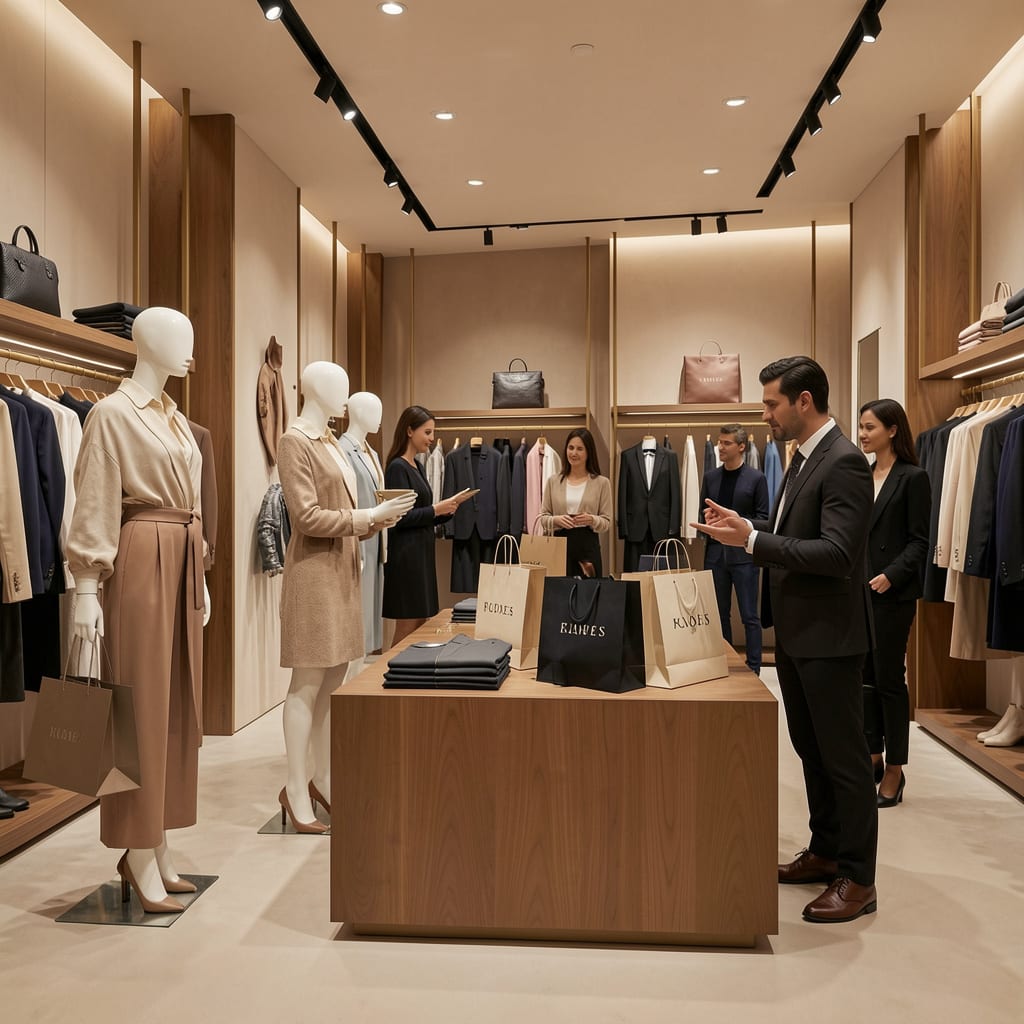
Store presentation
Social media visuals
Model styling
Product arrangement
A poorly presented fashion product can appear lower in value even if the material quality is excellent. On the other hand, strong presentation immediately creates trust and perceived exclusivity.
Luxury fashion brands understand this exceptionally well. Their presentation standards remain consistent across physical stores, online platforms, shopping bags, product displays, and customer communication.
That consistency creates familiarity and emotional recognition.
Visual Branding Creates Emotional Recognition
Strong fashion branding is built through visual consistency. Customers emotionally connect with brands they instantly recognize.
Successful clothing brands maintain a clear visual identity through:
Consistent Brand Aesthetics
Fashion businesses that use consistent colors, photography styles, fonts, and layouts create a more professional and memorable customer experience.
This consistency strengthens apparel brand identity and increases brand recall over time.
Lifestyle-Focused Storytelling
Customers connect more deeply with brands that communicate a lifestyle rather than simply showcasing products.
For example, many successful fashion companies present their clothing within real-life settings that reflect:
Confidence
Creativity
Minimalism
Luxury
Street culture
Sustainability
Sophistication
This helps customers emotionally imagine themselves within the brand’s world.
Emotional Color Psychology
Color selection also influences customer emotions. Neutral tones often communicate elegance and sophistication, while bold visuals may create energy and excitement.
Fashion customer experience begins visually long before a purchase is made.
How Packaging and Unboxing Influence Customer Perception
In modern fashion retail, packaging is no longer viewed as a secondary detail. It has become an important extension of the brand experience.
Customers often associate premium packaging with higher product quality and stronger brand credibility.
A thoughtful unboxing experience can create:
Excitement
Anticipation
Social sharing opportunities
Brand memorability
Higher perceived value
Even simple presentation improvements such as premium wrapping, branded inserts, clean typography, and elegant product arrangement can significantly improve customer perception.
Many growing fashion businesses now invest more strategically in presentation because customers increasingly share purchases online through unboxing videos and social media content.
For businesses involved in apparel production, presentation quality also communicates professionalism and attention to detail, especially when targeting premium fashion markets.
The Role of Fashion E-Commerce Experience
As online fashion shopping continues to dominate global retail, digital presentation has become just as important as physical merchandising.
Customers cannot physically touch products online, which means visual communication becomes critical.
High-Quality Product Photography
Professional product photography helps customers better understand:
Fabric texture
Fit
Color accuracy
Styling possibilities
Product quality
Brands that invest in strong photography typically create higher trust and stronger conversion rates.
Modern customers expect multiple viewing angles, close-up details, and lifestyle imagery that feels authentic rather than overly staged.
Clean and Intuitive Website Design
Complicated website experiences reduce trust and increase customer drop-off rates.
Fashion e-commerce experience should feel:
Smooth
Premium
Mobile-friendly
Fast-loading
Visually organized
Luxury retail presentation online often focuses on simplicity rather than visual clutter.
Product Descriptions That Tell a Story
Instead of listing only technical details, successful brands describe how products fit into customers’ lifestyles.
This creates emotional engagement rather than transactional communication.
Social Media Aesthetics and Emotional Branding
Social media has become one of the most influential tools for fashion branding.
Customers often discover clothing brands through Instagram, TikTok, Pinterest, and visual campaigns before ever visiting a website.
Because of this, fashion visual merchandising now extends into digital spaces.
Curated Visual Feeds
Strong fashion brands maintain visually cohesive social media profiles that reinforce their identity.
This includes:
Consistent editing styles
Similar tones and moods
Balanced layouts
Cohesive styling
Recognizable visual themes
When customers repeatedly see a polished and recognizable aesthetic, emotional familiarity increases.
Authentic Brand Communication
Modern consumers connect more with authenticity than polished corporate messaging.
Fashion brands that communicate naturally, showcase behind-the-scenes moments, and feature real customer experiences often create stronger emotional trust.
Community Building
Successful brands make customers feel like part of a larger community rather than simple buyers.
This can be achieved through:
User-generated content
Customer spotlights
Interactive campaigns
Community hashtags
Exclusive launches
Personalized engagement
Emotional loyalty grows when customers feel acknowledged and included.
How Presentation Increases Perceived Product Value
Perceived value is heavily influenced by presentation quality.
Two fashion products with similar manufacturing quality can be valued very differently depending on how they are presented to customers.
Premium fashion branding increases perceived value through:
Elevated visuals
Sophisticated packaging
Store ambiance
Strong storytelling
Consistent branding
Professional presentation
Customers naturally associate polished presentation with higher standards and better product quality.
This perception often allows fashion brands to maintain stronger pricing power and customer loyalty.
Common Presentation Mistakes Fashion Brands Make
Many fashion businesses struggle with branding consistency and presentation quality.
Some common mistakes include:
Inconsistent Visual Identity
Using different styles across websites, packaging, and social media weakens brand recognition.
Poor Product Photography
Low-quality images reduce trust and make products appear less valuable.
Overcrowded Branding
Too many colors, fonts, or design elements can create confusion and reduce premium perception.
Ignoring Customer Experience
Brands that focus only on selling products often fail to build emotional relationships with customers.
Weak Packaging Presentation
Basic or careless packaging can negatively impact the overall customer experience, even if the clothing itself is high quality.
How Successful Fashion Brands Maintain Premium Standards
Leading fashion brands maintain emotional customer connection through consistency.
They carefully manage every customer touchpoint, including:
Website presentation
Retail atmosphere
Customer support
Packaging details
Social media communication
Photography quality
Brand storytelling
These businesses understand that emotional branding is built gradually through repeated positive experiences.
Rather than chasing short-term trends alone, successful brands create long-term emotional trust.
Future Trends in Fashion Product Presentation
The future of fashion branding will likely become even more experience-focused.
Several emerging trends are already shaping the industry:
Personalized Customer Experiences
Brands are increasingly using personalization to strengthen emotional engagement.
Sustainable Presentation
Eco-conscious packaging and responsible presentation choices are becoming more important to modern consumers.
Interactive Shopping Experiences
Augmented reality, virtual fitting rooms, and immersive online experiences continue transforming fashion e-commerce.
Minimalist Luxury Branding
Many premium brands are moving toward cleaner and more refined visual presentation styles.
Experience-Driven Retail
Physical fashion stores are increasingly designed as lifestyle experiences rather than traditional retail spaces.
Conclusion
Emotional connection has become one of the most powerful competitive advantages in the fashion industry. Customers are no longer drawn only to products — they are drawn to experiences, identity, presentation, and brand perception.
Fashion brands that invest in strong visual consistency, thoughtful customer experiences, premium presentation, and authentic storytelling build deeper trust and long-term loyalty.
From product photography and merchandising to packaging and social media aesthetics, every interaction contributes to how customers emotionally perceive a brand.
As fashion markets continue evolving, businesses that prioritize emotional engagement and customer experience will remain far more memorable than those focused only on transactions.
In today’s competitive fashion landscape, presentation is no longer just about appearance. It is a strategic business tool that shapes perception, strengthens brand identity, and ultimately drives growth.
About the Creator
Jack Root
Jack Root delivers innovative IT & software solutions — from web & app development to ERP & SAP training — empowering businesses to grow.
Enjoyed the story? Support the Creator.
Subscribe for free to receive all their stories in your feed.
Comments
There are no comments for this story
Be the first to respond and start the conversation.