
How Does MDF Laser Cutting Service Compare to Traditional Cutting Methods?
Discover how MDF laser cutting compares to traditional cutting methods. Learn the pros, cons, costs, edge quality, accuracy, and best uses for laser-cut MDF projects in the UK.

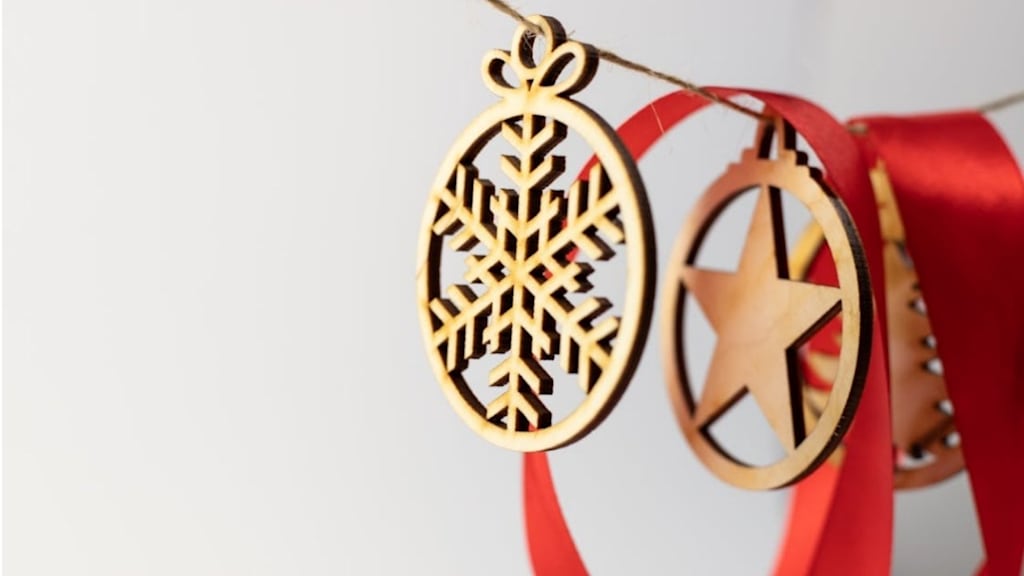
MDF (medium density fibreboard) is one of the most common boards in the UK as it is flat, smooth and easily paintable. It is used for making boards, parts of models, wall decorations, shelves and even for educational projects. The main issue is whether to use a laser when cutting MDF or other traditional methods.
This guide explains the real differences in a simple way. It also helps you pick the best method for your project, budget, and finish.
What MDF is like when you cut it
MDF is made from wood fibres and glue pressed into a board. It cuts differently to solid wood.
- It has no grain, so it does not split like pine might.
- It makes very fine dust when machined.
- The edges can look “fuzzy” after sawing and often need sanding.
- When a laser cuts it, the edge can turn brown or slightly charred because of heat.
So, the cutting method changes how much tidying up you must do afterwards.
Custom laser cutting for MDF: the simple idea
Laser cutting uses a strong beam of light to cut along a design file (often a vector file). The machine follows the lines very accurately. You can cut small shapes that are hard to do by hand.
For MDF, the main things to know are:
- The cut is contact-free (no blade pushing on the board).
- The edge is usually clean and sharp, but can be darker due to heat.
- Good fume extraction matters, because MDF smoke is not nice to breathe.
In the UK, many workshops and makerspaces offer laser cutting services for MDF parts, especially for signs, craft items, and prototypes.
Traditional cutting methods: what people usually use
Traditional MDF cutting often means:
- Hand saws (fine for straight cuts, slower for detail)
- Jigsaws (good for curves, but edges can chip and wander)
- Circular saws / table saws (fast straight cuts, needs care and space)
- Routers (great for shaping edges and grooves, makes lots of dust)
- CNC routers (very accurate, but still uses a spinning bit and can leave tool marks)
These tools work well, but they often need more finishing, like sanding and sealing.
Custom laser cutting vs traditional cutting methods (the real differences)
1) Accuracy and minute detail
Laser cutting works best where fine patterns and minute details are required; lasers do not apply blade pressure to the material being cut and hence do not damage MDF.
While other conventional tools such as CNC routers can produce accurate cuts, fine details can easily break off or appear jagged if the correct router bit is not used.
Best for detail: Laser
Best for big simple pieces: Saw or CNC router
2) Edge quality and finishing work
A laser-cut MDF edge is often smooth and even, but it can be dark. If you plan to paint, you may still need to seal the edge so it does not soak up paint.
Sawing and routing can leave fuzzy edges. You normally need sanding. With a jigsaw, you may also get slight wobbles.
Less sanding: Laser
Less scorch marks: Saw/router (but more sanding)
3) Speed (for one piece vs many pieces)
For one quick straight cut, a saw can be faster. You mark the line and cut.
For lots of parts, laser can be very fast once the design file is ready. The machine repeats the same cut again and again with the same result.
But remember: you must also count the time to prepare the file and test the settings.
4) Design changes and prototypes
Laser cutting is great for “try it, change it, try again.” If you have a digital design, you can tweak it and cut a new version quickly. This is handy for models, display stands, and product mock-ups.
Traditional cutting is fine too, but changing a design can mean new templates, different jigs, or more measuring.
5) Waste and material usage
Lasers cut along narrow lines; therefore, you may be able to fit pieces together more efficiently than when using a saw.
But there is waste in both laser cutting and sawing:
- When using laser cutting, smoke, char, and scraps are generated.
- Dust and sawdust are generated, along with some scraps, when sawing pieces of wood.
6) Safety and working environment
All cutting has risks. MDF dust is not something you want in your lungs, so masks and extraction are important for traditional cutting.
Laser cutting creates fumes and needs proper ventilation and filters. This is why many people use professional laser cutting services rather than running a machine at home.
When MDF laser cutting is the better choice
Laser cutting is often a smart pick if you need:
- Decorative cut-outs (letters, patterns, layered designs)
- Repeatable shapes for a batch (like 50 identical parts)
- Parts that must fit together like a puzzle
- Clean edges without lots of sanding time
If you are ordering from a UK provider (for example, a workshop like RazorLAB), you usually send a design file and choose the MDF thickness. The service cuts it using their settings and extraction systems.
When traditional cutting methods still win
Traditional tools can be better when:
- You only need a few large straight cuts
- The MDF is too thick for the laser settings available
- You need bevels, roundovers, or 3D shaping (routers are great here)
- You want a natural-looking edge without burn marks
For furniture panels, big shelves, and building work, saws and routers are often the normal choice.
A quick note on acrylic: why it gets mentioned with lasers
Even though this post is about MDF, many places that cut MDF also do acrylic work. Acrylic is where lasers can really shine, because the cut edge can look glossy and neat.
That is also why you may see options like laser engraving acrylic offered by the same workshop. It is a different material, but it uses the same kind of machine and skills.
Quick questions people ask (UK-friendly answers)
Is laser-cut MDF safe to use indoors?
Yes, as a finished product it can be fine indoors. But during cutting, MDF fumes and smoke must be extracted properly. That is why using experienced laser cutting services can be safer than experimenting without the right setup.
Will the edges be black?
Often the edges are brown or dark. It depends on the MDF type, thickness, and machine settings. If you want a clean painted look, sealing and priming the edges helps.
Is custom laser cutting more expensive?
Sometimes it costs more per sheet than doing it yourself with a saw. It will save on labor, errors and sanding time, particularly for intricate designs or batches.
Final thought: picking the right method
MDF laser cutting and traditional cutting both have a place. If your project needs fine detail, repeatable parts, and neat edges with less sanding, laser cutting is hard to beat. If you need big straight panels, thick boards, or shaped edges, traditional saws and routers can be the better tool.
The best choice is the one that matches your design, your finish (painted or raw), and how many parts you need—without making your workspace unsafe.
About the Creator
RazorLAB
RazorLAB provides versatility of Laser cutting & Engraving services! Our team of skilled professionals can handle a wide range of projects. We specialize in four distinct materials for custom projects like acrylic, wood, fabric & card.
Enjoyed the story? Support the Creator.
Subscribe for free to receive all their stories in your feed.
Comments
There are no comments for this story
Be the first to respond and start the conversation.