
How does laser dentistry compare to traditional dental methods?
Discover how laser technology is changing the way dental procedures are performed—less pain, faster healing, and improved precision.

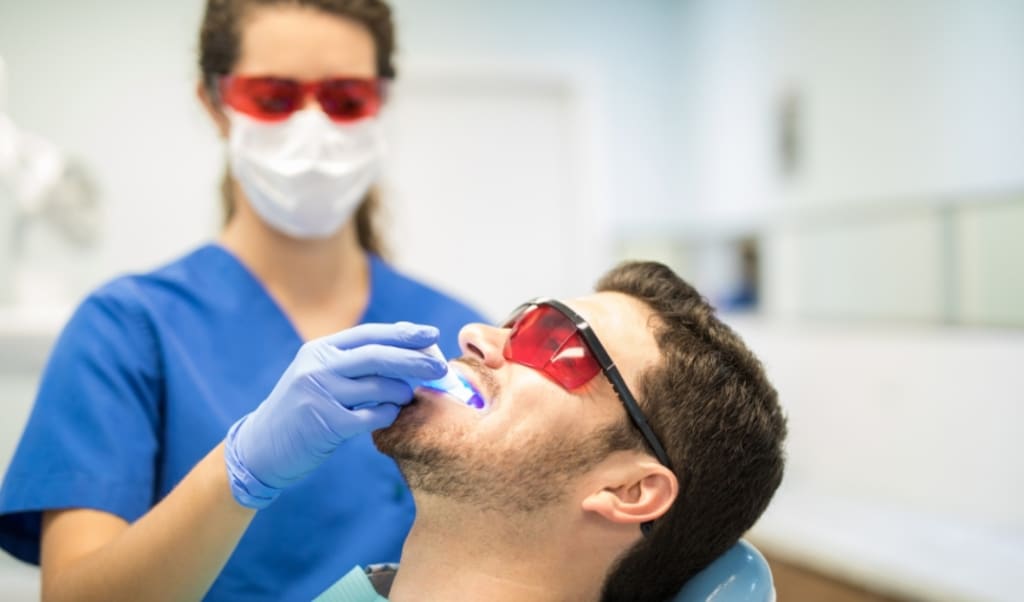
Oral health treatment has seen a major shift in recent years. With advances in technology, patients now have more comfortable and efficient options. One of the biggest game changers in dentistry is the use of lasers. From treating gum disease to performing cavity fillings, lasers offer an alternative that challenges the traditional drill-and-scalpel approach.
Let’s take a closer look at how laser-based dentistry stacks up against time-tested methods. We'll explore where it shines, where it falls short, and what it means for people seeking care today.
Understanding Laser Use in Dentistry
Lasers in dental care use focused light beams to treat soft and hard tissues. They are precise, minimally invasive, and reduce trauma to surrounding areas. These tools can perform several procedures—from shaping gums to removing tooth decay—often without anesthesia.
This doesn’t mean traditional tools are obsolete. However, lasers do offer notable advantages in many cases. Patients with anxiety, low pain tolerance, or bleeding disorders often prefer this gentler method.
Comparing Pain and Comfort Levels
One of the biggest concerns for any dental patient is discomfort. Traditional methods often involve needles, drills, and pressure—all of which can trigger anxiety. In contrast, laser tools generate less friction, heat, and noise.
Many patients report little to no pain with laser treatments. This can reduce the need for local anesthesia and improve the overall experience. Some procedures even become so comfortable that sedation is unnecessary, which is a huge relief for nervous patients.
Healing Time and Recovery
Recovery plays a big role in choosing a treatment method. Traditional procedures, especially those involving scalpels or sutures, can cause swelling and bleeding. Healing often takes longer due to tissue damage during treatment.
Laser dentistry changes the game. Lasers cauterize as they work, sealing blood vessels and reducing inflammation. As a result, patients typically experience less post-operative pain and faster healing. For busy individuals, this quicker recovery is a major benefit.
Precision and Accuracy
Lasers offer unmatched precision. This is particularly valuable when removing decay or reshaping tissue. With traditional tools, there's a risk of affecting adjacent healthy areas. A laser, however, can be targeted so finely that only the intended tissue is treated.
This accuracy helps preserve more of the natural tooth and supports long-term oral health. In gum procedures, for example, lasers can trim soft tissue without harming nearby structures. This level of control is harder to achieve with manual instruments.
Reducing the Risk of Infection
Sterility is crucial in dental work. The traditional approach often involves more contact and manipulation of tissues, increasing the chance of introducing bacteria. Tools must be sterilized repeatedly, but there’s always a slight risk.
Laser energy, on the other hand, naturally sterilizes the area as it operates. This decreases the chance of bacterial contamination and promotes a cleaner surgical environment. For those with compromised immune systems, this added safety can make a real difference.
Time Efficiency for Both Patient and Dentist
Appointments using traditional techniques can take longer due to setup, anesthesia, and detailed manual work. Plus, procedures might be split into multiple visits.
Laser methods often speed up treatment. Since there’s less bleeding and no need for stitches, many treatments can be completed in one visit. Even cavity preparations become quicker when anesthesia isn’t required. This helps both dentists and patients save valuable time.
Applications in Modern Dentistry
Laser dentistry isn't limited to one or two treatments. It's now used in a range of services, such as:
- Gum reshaping for aesthetics or periodontal treatment
- Tooth decay removal before filling
- Biopsies and lesion removal
- Whitening treatments using light-activated gel
- Frenectomy for tongue-tie correction
- Root canal disinfection to improve success rates
These applications prove that lasers aren’t a one-trick solution. They’re a versatile addition to the dentist’s toolkit.
Safety and Side Effects
Many people wonder if laser tools are safe. The answer is yes—when used by trained professionals. Dental lasers are FDA-approved and undergo rigorous testing. Proper technique ensures minimal tissue damage and reduces complications.
Still, like any medical tool, misuse can cause problems. In rare cases, lasers can overheat the tooth or tissue. This is why choosing a qualified dental provider is essential.
Cost Considerations
Laser equipment comes with a higher price tag for providers, and this can affect treatment costs. While some services are comparable in price to traditional methods, others may cost slightly more.
However, many patients feel the added comfort, reduced healing time, and fewer follow-ups are worth the difference. Always check with your dentist about costs and insurance coverage before deciding on treatment.
Patient Experience and Accessibility
Patients who dislike the sensations of drilling or are highly sensitive to pain often feel much more at ease with laser procedures. There’s less noise, no strong vibrations, and often no shots.
However, not every dental clinic offers this technology. Some practices may still rely solely on conventional techniques. If laser treatment is important to you, search for a provider who includes it in their services.
When Traditional Methods Still Win
While lasers offer many advantages, they’re not ideal for every situation. They may not be powerful enough for certain procedures, such as removing large metal fillings or preparing teeth for crowns that need major reshaping.
In some complex oral surgeries, traditional tools remain the better option. A skilled dentist will recommend the best method based on your needs—not just on what’s available in their office.
Choosing the Right Path for Your Oral Health
As dentistry continues to evolve, patients benefit from more options than ever before. Laser treatments provide a modern solution with less pain, faster recovery, and a more relaxed experience overall.
That said, traditional methods still hold value and may be the best fit in certain scenarios. The key is personalized care. A knowledgeable dentist will help you weigh the pros and cons and choose the method that fits your needs, goals, and comfort level.
If you're considering laser treatments, consulting with a clinic offering Laser Dentistry Mesa services could be your first step toward a better dental experience.
About the Creator
My Dentist Mesa - Biological and Holistic Dentist Arizona
My Dentist in Mesa, Arizona prioritizes a patient-centered approach to oral health. They leverage advanced technology alongside holistic treatment options to deliver comprehensive dental care focused on restoration and long-term well-being.
Enjoyed the story? Support the Creator.
Subscribe for free to receive all their stories in your feed.
Comments
There are no comments for this story
Be the first to respond and start the conversation.