
How Do You Know If a Root Canal Gets Infected?
Wondering if your root canal is infected? Learn the common symptoms, causes, and what to do if a root canal gets infected to protect your smile and health.

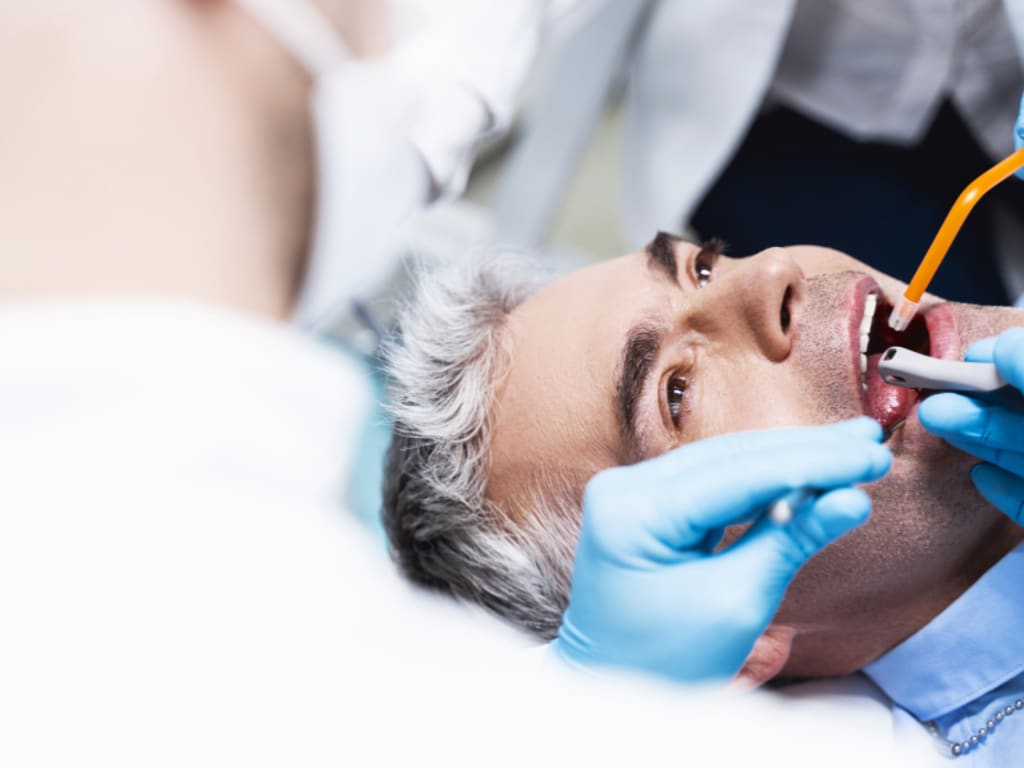
Having a root canal can be a relief. The pain goes away, your tooth is saved, and you’re back to eating, drinking, and smiling without a second thought. But what if something doesn’t feel quite right afterward? While root canal treatments are highly successful, there are times when infections can return or develop later. Knowing what to watch out for—and what steps to take—can make all the difference.
This guide walks you through how to spot the signs of an infected root canal and answers the important follow-up question: What to do if a root canal gets infected?
Can a Root Canal Really Get Infected After Treatment?
Yes, it can. A root canal removes infected pulp and seals off the tooth, but complications can still occur. Bacteria may remain in tiny crevices or return through a crack, loose filling, or unnoticed canal. An infection might show up weeks, months, or even years later. That's why it’s important not to ignore any changes in how the tooth feels or looks.
Warning Signs Your Root Canal Might Be Infected
Here’s what to pay attention to if you suspect something isn’t quite right after a root canal:
1. Persistent Pain or Discomfort
Some sensitivity is expected right after treatment, but ongoing or worsening pain could mean there’s a lingering infection. It may feel like a dull ache or sharp pain, and it usually doesn't respond well to over-the-counter pain relievers.
2. Swelling in the Gums or Face
Localized swelling near the treated tooth is a red flag. If the infection spreads, the swelling could affect your jaw, face, or neck. This might feel tender to the touch or look noticeably puffier.
3. Pimple or Bump on the Gums
A small bump, often filled with pus, may appear near the affected area. This is called a dental abscess. It’s your body’s way of trying to drain the infection. It might go away and return, which is a sign that the problem is recurring.
4. Bad Taste or Odor
If you constantly notice a foul taste in your mouth or bad breath even after brushing, it may be from draining pus. This is another clear symptom of infection.
5. Pressure Sensitivity
Biting or chewing shouldn’t hurt after a few days of healing. If it does, or if it starts to feel worse again, it could point to inflammation or infection in the bone or tissue around the root.
6. Darkening of the Tooth
Color changes in the treated tooth—especially turning gray or black—can be a sign of an internal issue. It’s often accompanied by other symptoms but is easy to miss visually if not checked closely.
Why Do Root Canal Infections Happen?
Even though root canals are generally safe and effective, a few things can lead to an infection after the procedure:
Missed Canals: Teeth can have more canals than expected. If one is missed, bacteria can remain and cause problems.
Cracked Tooth or Restoration: A crack can allow bacteria to slip inside and reach the pulp or root area again.
Failed Seal: If the filling or crown is loose, it can open a door for bacteria to sneak back in.
New Decay: A cavity near the treated tooth can weaken the existing dental work, letting infection take hold.
What to Do If a Root Canal Gets Infected?
If you’re experiencing any of the above symptoms, don’t wait it out. Here’s what you can do:
1. Call Your Dentist Immediately
The first step is always to get a professional evaluation. Describe your symptoms clearly and ask for an urgent appointment. Early treatment often prevents bigger issues.
2. Take Prescribed Antibiotics (If Advised)
Your dentist may prescribe antibiotics to stop the infection from spreading. However, antibiotics are usually a short-term solution. The infection source must still be treated directly.
3. Consider a Root Canal Retreatment
Retreatment means re-opening the tooth, cleaning it again, and resealing it properly. It's often effective when the initial treatment wasn’t able to remove all bacteria.
4. Explore Apicoectomy as a Next Step
If retreatment doesn’t solve the problem, an apicoectomy may be recommended. This minor surgical procedure removes the tip of the root and seals it, often resolving deep infections.
5. In Some Cases, Tooth Extraction May Be Necessary
If the tooth can't be saved, it may need to be removed. This is generally a last resort, but it prevents the infection from damaging surrounding bone or teeth.
Prevention Tips After Root Canal Treatment
While not every infection is avoidable, there are ways to reduce your risk:
Attend Follow-Up Visits: Don’t skip post-treatment checkups. Your dentist checks for signs of healing or issues.
Get Your Crown or Filling Promptly: Delaying the final restoration can expose the tooth to bacteria again.
Practice Excellent Oral Hygiene: Brush twice daily, floss regularly, and rinse with an antibacterial mouthwash.
Avoid Hard Foods Immediately After Treatment: Give the area time to heal before stressing it with crunchy or sticky foods.
How Long After a Root Canal Can an Infection Happen?
Infections can appear days, weeks, or even years after the original root canal. Sometimes they’re caused by new trauma, other times they result from slow-developing issues that were hidden during the initial procedure. The important part is that symptoms shouldn’t be ignored, no matter how long ago the treatment was done.
Root Canal Infection: What You Shouldn't Do
Here’s what not to do:
- Don’t try to self-medicate with random antibiotics.
- Don’t ignore recurring symptoms hoping they’ll go away.
- Don’t chew on the painful side of your mouth.
- Don’t delay calling your dentist.
- The sooner an infection is treated, the better the outcome.
Final Thoughts
A root canal can save your tooth—but only if it heals properly. If you feel persistent pain, notice swelling, or see a strange bump near the area, these may be signs that your root canal is infected. The good news is that modern dentistry has several options to fix it. Whether it's retreatment, an apicoectomy, or another approach, solutions exist.
About the Creator
Dentiq Dentistry Houston
We provide various services such as general dentist, cosmetic dentistry, veneers, teeth whitening, Invisalign, emergency dentistry, tooth extraction, and more which is why we are your clear choice for dental treatment of "dentist near me".
Enjoyed the story? Support the Creator.
Subscribe for free to receive all their stories in your feed.
Comments
There are no comments for this story
Be the first to respond and start the conversation.