
How Do Smart Home Devices Improve Energy Efficiency in a Household?
How Modern Devices Cut Energy Costs at Home
Introduction
Let’s be honest—energy bills are no joke these days. If you're tired of high costs and looking for a way to live smarter (not harder), smart home technology could be the game-changer you need. But how exactly do smart home devices improve energy efficiency in a household? Let’s dive into it!
What Are Smart Home Devices?
Smart home devices are electronic gadgets designed to connect to your Wi-Fi network, communicate with each other, and automate tasks to make your life easier and more efficient. Think of them as your digital house helpers.
Examples include:
- Smart thermostats
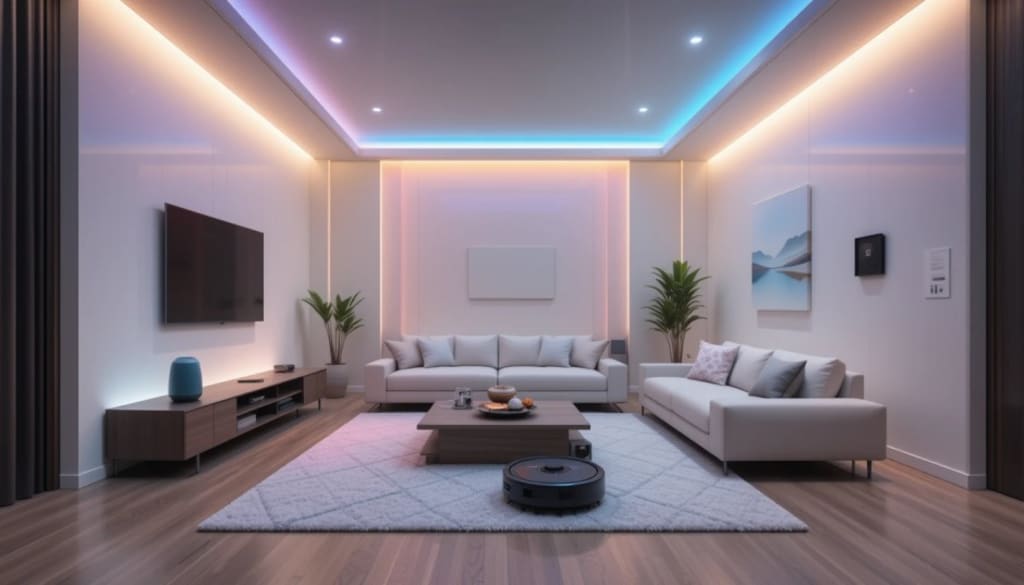
- Smart lighting
- Smart plugs
- Smart appliances
- Energy monitoring systems
These devices don’t just add convenience—they help cut down unnecessary energy use.
The Relationship Between Smart Homes and Energy Efficiency
So, why does energy efficiency even matter?
Reducing energy use not only lowers your utility bills but also shrinks your carbon footprint. Smart home devices make it easier to monitor, manage, and optimize energy usage in real-time, all while keeping your comfort levels intact.
Smart Thermostats: The Heart of Energy Efficiency
Smart thermostats are like the MVPs of energy-saving tech. They don’t just turn your heating or cooling system on or off. They learn your preferences and adjust automatically.
Features include:
- Learning your schedule and habits
- Adjusting temperature based on real-time occupancy
- Providing energy reports to help you optimize usage
Let’s say you always leave the house at 8 AM. A smart thermostat will learn this and adjust the heating or cooling accordingly—no more wasting energy when nobody’s home.
Popular Smart Thermostat Brands
- Nest: Learns your routine quickly and offers detailed energy reports.
- Ecobee: Comes with room sensors to maintain consistent comfort.
- Honeywell: Known for compatibility and user-friendly interfaces.
Smart Lighting Systems
Leaving lights on is one of the biggest energy drains. Smart lighting fixes that.
Benefits:
- Motion sensors turn off lights when no one’s in the room
- You can dim lights or set schedules based on time of day
- Most systems use LED bulbs which use up to 80% less energy
Examples of Smart Lighting Devices
- Philips Hue: Tons of customization with colors and brightness
- LIFX: No hub needed, integrates easily
- Wyze Bulb: Budget-friendly with solid features
Smart Plugs and Power Strips
Did you know devices still suck up energy even when turned off? That’s called “phantom power.”
Smart plugs let you:
- Completely shut off devices from your phone
- Schedule shut-off times for things like coffee makers or TVs
- Monitor power usage for each plug
Smart Appliances
Today’s smart appliances aren’t just futuristic—they’re efficient.
Perks include:
- Using sensors to optimize water or power consumption
- Alerting you when maintenance is needed
- Allowing control via apps (turn off the dryer from your couch!)
Common examples: Smart refrigerators, washers, dryers, and dishwashers.
Smart Blinds and Windows
Managing heat and light through your windows is a sneaky way to save energy.
Smart blinds:
- Open/close based on the sun’s position
- Help maintain room temperature without extra AC or heating
- Work in sync with your thermostat or lighting
Energy Monitoring Systems
Knowledge is power—literally.
These systems track your real-time energy usage and show where you’re using the most power. Once you know, you can change habits or upgrade to more efficient devices.
Some systems even show comparisons to average households to help you set benchmarks.
Smart Home Hubs and Integration
The more connected your devices are, the smarter they get.
Smart hubs like Amazon Alexa, Google Home, or Apple HomeKit let you control everything with your voice or a single app. This makes managing energy-efficient routines way easier.
Automation Routines for Energy Saving
Want your home to shift into “Eco Mode” when you leave?
Smart homes can:
- Turn off unnecessary lights and devices
- Adjust your thermostat
- Power down entertainment systems
You can create personalized routines like “Goodnight,” “Workday,” or “Vacation” modes to save energy effortlessly.
Remote Access and Control
Away on vacation? Forgot to turn off the AC?
No worries. With smart home apps, you can check in from anywhere and make adjustments instantly. This flexibility ensures you’re not wasting energy—even when you’re not home.
Challenges and Considerations
Of course, no system is perfect.
Challenges include:
Upfront Costs: Some devices can be pricey initially
- Privacy/Security: Always use trusted brands with strong encryption
- Learning Curve: It takes a bit to get used to everything working together
- But with time, the long-term savings often outweigh the initial investment.
Future of Smart Home Energy Efficiency
The future is looking bright—literally and figuratively.
Advancements in AI and machine learning will allow smart homes to become even more intuitive. Plus, with better integration into renewable energy sources like solar panels, your home could eventually become net-zero.
Conclusion
Smart home devices aren’t just cool tech toys—they’re practical tools for creating an energy-efficient lifestyle. From thermostats to smart plugs and automated routines, these gadgets help you save money, reduce waste, and live a greener life. Whether you're just starting out or going full smart-home, every small step helps.
About the Creator
Enjoyed the story? Support the Creator.
Subscribe for free to receive all their stories in your feed.
Comments
There are no comments for this story
Be the first to respond and start the conversation.