
How Do Local Zoning Laws Affect Your Fence Line Survey?
fence line survey
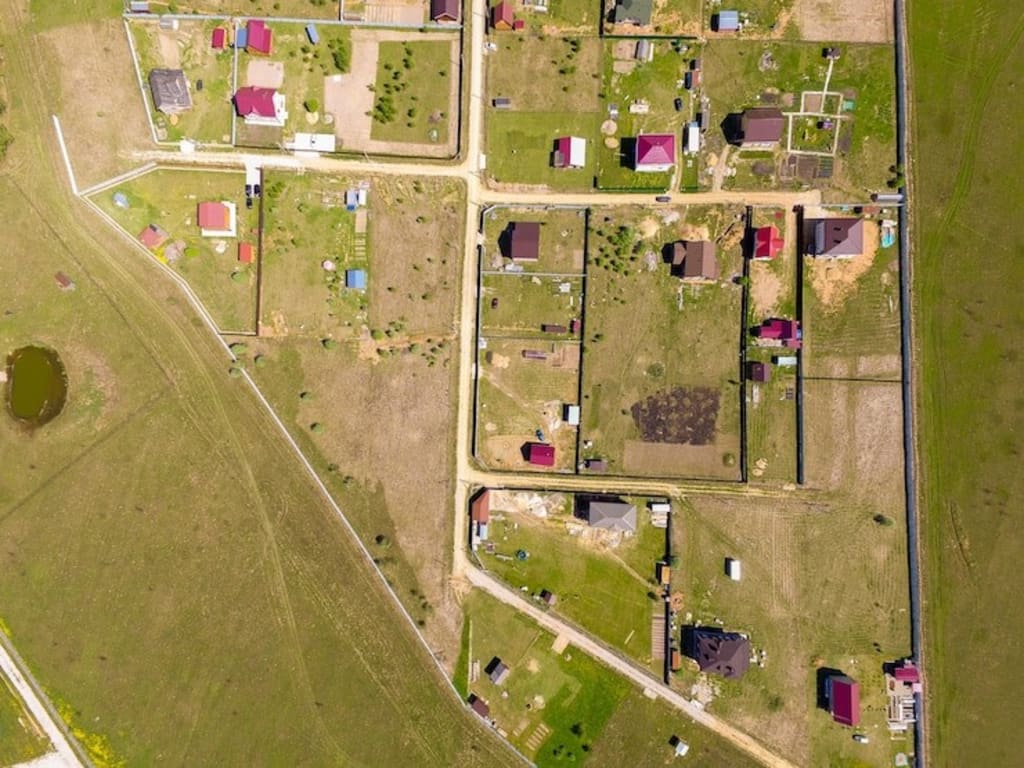
When planning to install a fence around your property, many homeowners get excited about improving their curb appeal or adding privacy. However, installing a fence without considering local zoning laws can quickly lead to headaches. Imagine investing time, effort, and money into a beautiful new fence, only to have it torn down because it violates zoning regulations. That’s why conducting a fence line survey is essential before you start. Understanding how local zoning laws affect your fence installation can help you avoid costly mistakes and ensure your fence is legally compliant.
Zoning Laws Can Limit Your Fence's Height and Design
Local zoning laws often impose restrictions on the height, materials, and design of fences, especially in residential areas. These laws are put in place to maintain neighborhood aesthetics, ensure safety, and prevent obstructions. For example, some areas may allow a fence up to six feet in height in the backyard, but limit it to four feet in the front yard. Other neighborhoods may regulate the materials used for fences, requiring them to match the overall style of the community. Without a fence line survey, you may inadvertently build a fence that exceeds these limits, resulting in fines or even the need to remove the structure entirely.
Understanding Property Lines Is Crucial for Compliance
Before installing any fence, it’s important to know exactly where your property lines are. Local zoning laws often dictate how close you can place a fence to your property line, and building too close to the edge could violate these regulations. A fence line survey helps clarify property boundaries, ensuring that you’re not encroaching on a neighbor’s land or violating setback requirements. Without this survey, you risk having to relocate your fence, which can be expensive and time-consuming.
Setback Requirements: What You Need to Know
Many local zoning laws require that fences be set back a certain distance from the street, sidewalk, or neighboring properties. These setbacks are in place to ensure visibility for drivers, maintain community safety, and prevent overcrowding. For example, fences placed too close to the sidewalk can obstruct pedestrians and vehicles, creating a potential safety hazard. A fence line survey can provide the necessary measurements to ensure your fence is set back far enough to comply with these requirements.
The Risk of Violating Easements and Restrictions
Local zoning laws may also involve easements or restrictions on certain areas of your property. Easements allow utility companies and municipalities to access portions of your property for maintenance and infrastructure, such as power lines or water pipes. Installing a fence over an easement without proper knowledge can lead to costly legal disputes and removal of the fence. A fence line survey identifies these easement areas, helping you avoid encroaching on land that isn’t yours to build on.
Financial Implications of Not Following Zoning Laws
Failing to follow local zoning laws can lead to significant financial consequences. If you build a fence that violates these laws, you may face fines, and in some cases, you could be forced to remove the fence entirely. Not only does this involve the cost of labor and materials, but it could also result in legal fees if disputes arise. By conducting a fence line survey before building, you can avoid these risks and keep your project on track without unexpected costs.
How a Land Surveyor Helps You Navigate Zoning Laws
When you decide to install a fence, working with a land surveyor can be one of the most valuable steps in the process. A professional land surveyor will help you determine the precise boundaries of your property and ensure that your fence complies with all relevant zoning laws. Their expertise helps you avoid costly mistakes and legal issues, allowing you to confidently proceed with your fence installation. With their knowledge, you can rest assured that your fence will be placed correctly, on time, and within budget.
Final Say:
Local zoning laws play a significant role in your fence installation process. From height restrictions to property line regulations, understanding how these laws affect your fence project is critical. A fence line survey ensures that you are building within the legal requirements, protecting your investment from future legal or financial trouble. Whether you’re installing a fence for privacy, security, or aesthetic purposes, it’s worth investing in professional help to navigate zoning laws and property boundaries.
To avoid zoning issues and other legal pitfalls, consult with a professional land surveyor Bedford before you start your fence installation. Protect your property and your investment by ensuring everything is done right from the start.
About the Creator
Enjoyed the story? Support the Creator.
Subscribe for free to receive all their stories in your feed.
Comments
There are no comments for this story
Be the first to respond and start the conversation.