
How Do Dental Implants Help Restore Your Enjoyment of Food?
Find the joy of eating again with dental implants—secure, flavor-enhancing, and transformative, they redefine mealtime freedom and wellness in a way nothing else can.

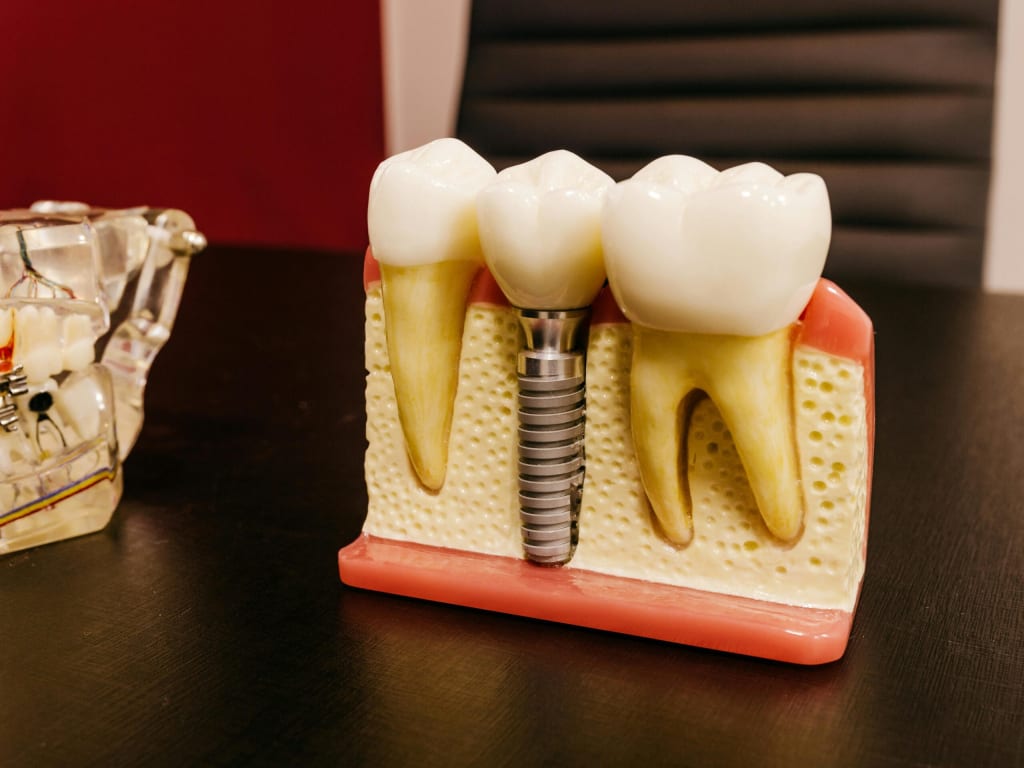
Imagine biting into a crisp apple or savoring a juicy steak without hesitation. For many, tooth loss can steal these simple joys, turning mealtime into a challenge. But there’s good news—dental implants can bring back that freedom and confidence. If you’ve been missing out on your favorite foods, this blog will walk you through how dental implants can restore your enjoyment of eating, naturally and comfortably. Let’s dive into the details and explore why this solution is a game-changer.
What Are Dental Implants, Anyway?
Dental implants are a modern marvel in dentistry. They’re essentially artificial tooth roots, usually made of titanium, that are surgically placed into your jawbone. Once they fuse with the bone—a process called osseointegration—they provide a sturdy base for a crown, bridge, or even dentures. Unlike traditional dentures that sit on your gums or bridges that rely on neighboring teeth, implants are anchored in place, mimicking the strength and stability of natural teeth.
Why does this matter for food? Well, eating isn’t just about taste—it’s about texture, bite force, and confidence. Missing teeth or wobbly dentures can limit what you can chew, forcing you to stick to soft, bland options. Implants change that by giving you a reliable, long-term solution.
The Struggle of Eating with Missing Teeth
Let’s be real—losing a tooth (or several) isn’t just a cosmetic issue. It affects how you live. Maybe you’ve noticed you’re avoiding crunchy veggies or tough meats because chewing feels awkward or painful. Or perhaps you’re tired of food getting stuck where teeth used to be. For some, it’s the embarrassment of dentures slipping mid-bite that kills the joy of a meal.
Without teeth, your bite force weakens, and your jawbone can even start to shrink over time. This makes it harder to break down food properly, which can mess with digestion too. It’s a domino effect—less enjoyment, fewer nutrients, and a lot more frustration. But here’s where dental implants step in to turn things around.
How Dental Implants Bring Back the Bite?
So, how exactly do implants help? It starts with that solid foundation. Because they’re fused to your jawbone, implants don’t budge. You can chomp down on a carrot or tear into a piece of crusty bread without worrying about anything shifting. Studies show implants restore up to 85-90% of your natural bite force—way more than dentures, which often max out at 20-25%.
This stability means you’re not limited to mushy foods anymore. Love grilled corn on the cob? Go for it. Craving a handful of almonds? No problem. At a place like Dental Implant Centreville, they’ll tailor the implant to fit your mouth perfectly, so it feels like your own tooth—only better, because it won’t decay.
Taste the Difference
Here’s something you might not think about: implants can actually improve how food tastes. Traditional dentures cover the roof of your mouth, where a lot of taste buds live. That plastic barrier dulls flavors, making everything a little less exciting. With implants, there’s no palate coverage—just a crown that sits naturally, letting you savor every bite fully.
Plus, when you’re not stressing about loose teeth or sore spots, you can focus on the meal itself. It’s a mental shift too—eating becomes fun again, not a chore.
Boosting Confidence at the Table
Food’s social, right? Whether it’s a family dinner or a night out with friends, you want to enjoy it without self-consciousness. Missing teeth or slipping dentures can make you hesitant to laugh, talk, or dig into a big plate of ribs. Implants fix that. They look and feel so natural that you’ll forget they’re there—and so will everyone else.
A dentist specializing in implants can match the crown’s color and shape to your other teeth, blending seamlessly. No more hiding your smile or passing on foods you love because you’re worried about how it’ll look (or sound) when you eat.
Health Perks Beyond the Plate
It’s not just about enjoyment—implants are good for your body too. When you can chew properly, digestion starts off right in your mouth. Breaking food into smaller pieces means your stomach doesn’t have to work as hard, and you absorb nutrients better. Plus, keeping your jawbone stimulated with implants prevents bone loss, which can change your face shape over time.
Think of it like this: implants don’t just restore your ability to eat—they protect your overall health. That’s a win-win.
What to Expect from the Process?
Now, you might be wondering, “What’s it like to get implants?” It’s a fair question. The process usually takes a few months, but it’s worth it. First, your dentist will check your jawbone health—sometimes a bone graft is needed if there’s not enough support. Then, the implant is placed in a quick surgery under local anesthesia. After a healing period (usually 3-6 months), the crown goes on, and you’re ready to roll.
Does it hurt? Most patients say it’s less uncomfortable than a tooth extraction, and recovery’s pretty smooth with proper care. The team at a place like Dental Implant Centreville will guide you every step of the way, making sure you’re comfortable and informed.
Are Implants Right for You?
Not everyone’s a candidate, but most people are. If you’ve got healthy gums and enough bone (or can build it up), you’re likely good to go. Age isn’t a dealbreaker either—implants work for adults young and old. The key is finding a skilled dentist who can assess your needs and craft a plan. Smoking or certain health conditions might complicate things, but that’s what consultations are for—figuring it out together.
Cost can be a concern, sure. Implants aren’t cheap, but they’re an investment. Unlike dentures that need replacing or bridges that wear out, implants can last decades—sometimes a lifetime—with good care. Many offices offer financing too, so it’s worth asking.
Caring for Your New Teeth
Once you’ve got implants, maintenance is straightforward. Brush and floss like normal, and see your Centreville Dentist for checkups. The implant itself can’t get cavities, but keeping your gums healthy is key to long-term success. It’s less hassle than dealing with denture adhesives or soaking solutions—implants fit into your routine like they’ve always been there.
Real Stories, Real Results
Don’t just take my word for it—people’s lives change with implants. Take Sarah, a 45-year-old who lost a molar and stopped eating her favorite salads because chewing hurt. After getting an implant, she’s back to crunching away, no pain, no fuss. Or Mike, a retiree who ditched his dentures for implants and says steak tastes better than ever. These aren’t rare cases—it’s what implants do: they bring normalcy back.
Ready to Rediscover Food?
Picture this: a table full of your favorite dishes, and you’re diving in without a second thought. No more cutting food into tiny pieces or skipping the good stuff. Dental implants make that possible. They’re not just about fixing teeth—they’re about reclaiming the joy of eating, one delicious bite at a time. If you’re ready to explore this option, reach out to a pro and see how it can work for you. Your taste buds will thank you.
About the Creator
Centreville Family And Cosmetic Dentistry
Centreville Family and Cosmetic Dentistry is your trusted Dentist Centreville, serving families, young professionals, and seniors with excellent care. We offer preventive, cosmetic, and restorative services and more.
Enjoyed the story? Support the Creator.
Subscribe for free to receive all their stories in your feed.
Comments
There are no comments for this story
Be the first to respond and start the conversation.