
How Digital Supply Chain Solutions Drive Success in Industry 4.0
Digital Supply Chain

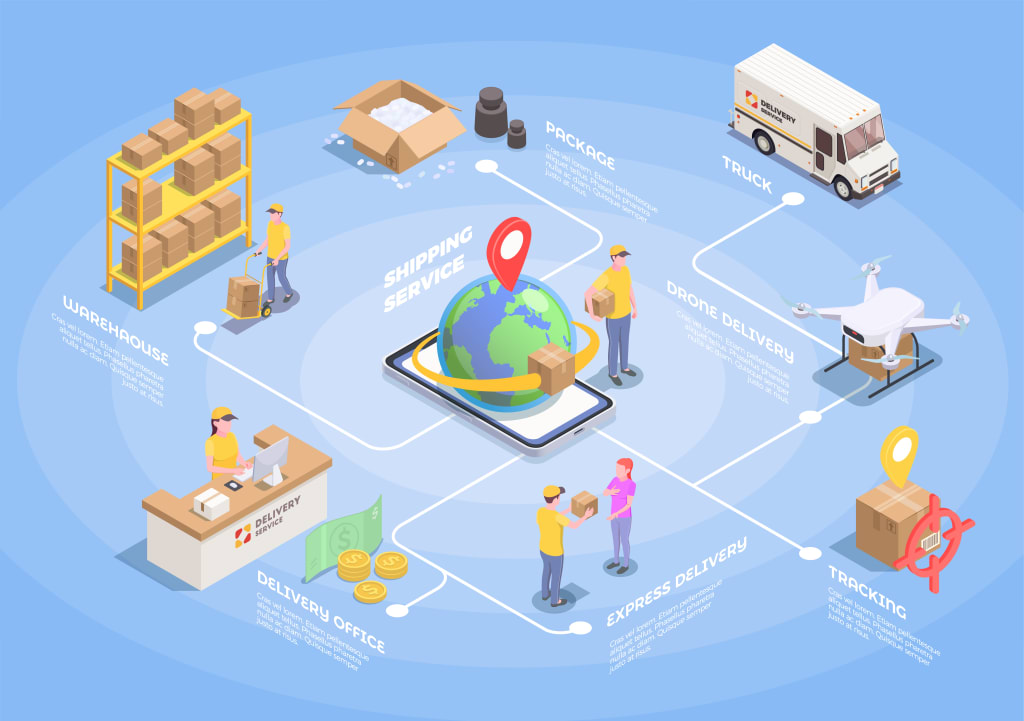
In today's rapidly evolving business environment, the concept of Industry 4.0 is transforming traditional processes across various industries, and supply chains are no exception. With the integration of advanced digital technologies, companies are reimagining their supply chains to be smarter, more efficient, and more resilient. But what does it take to achieve this transformation, and why are digital supply chain solutions central to Industry 4.0?
Key Components of a Digital Supply Chain in Industry 4.0
IoT and Real-Time Data Collection: The Internet of Things plays a crucial role in the digital supply chain by providing real-time visibility into each step of the supply chain. IoT sensors on goods, vehicles, and machinery track location, condition, and movement, offering accurate insights for decision-making. Real-time data collection helps companies detect bottlenecks early, prevent stockouts, and improve overall service quality.
Advanced Analytics and AI: Data analytics and AI empower companies to make predictive and prescriptive decisions. Advanced analytics can identify patterns, optimize routes, forecast demand, and suggest improvements. Machine learning algorithms analyze historical and real-time data to predict future demand and optimize inventory, reducing waste and improving cost-efficiency.
Blockchain for Transparency and Security: Blockchain technology offers a secure, decentralized way to record transactions and track assets. For supply chains, this means enhanced traceability of materials and goods across the production lifecycle. Blockchain enables secure sharing of data among multiple parties, building trust and transparency while protecting sensitive information.
Automation and Robotics: Automation is reshaping logistics and warehousing by streamlining repetitive tasks, reducing human error, and improving productivity. Automated guided vehicles (AGVs), robotic process automation (RPA), and automated sorting systems help handle inventory, pick and pack orders, and maintain accuracy in high-demand environments.
Digital Twins: Digital twins are virtual replicas of physical assets that help companies simulate and optimize supply chain processes before implementing changes in real time. This technology provides insights into potential issues and enables proactive maintenance, saving costs and preventing disruptions.
Benefits of Digital Supply Chain Solutions in Industry 4.0
Enhanced Visibility and Transparency: One of the significant advantages of digital supply chains is the increased visibility across all points in the process. Real-time data collection and sharing allow companies to monitor and manage their supply chain more effectively, leading to faster problem resolution and more informed decision-making.
Greater Agility and Responsiveness: Digital supply chain solutions help businesses adapt to market fluctuations, demand surges, and unexpected disruptions. With predictive analytics and real-time monitoring, companies can react promptly to external changes, minimizing delays and maintaining customer satisfaction.
Cost Savings and Efficiency: Automating routine processes and optimizing resource allocation reduces operational costs and minimizes waste. AI-driven insights enable inventory optimization, leading to better stock management, reduced holding costs, and a leaner supply chain.
Improved Customer Satisfaction: Faster response times, higher accuracy, and reliability in fulfilling orders translate directly to improved customer satisfaction. Digital supply chains enable companies to offer faster, more accurate delivery options, meeting customer expectations in today’s competitive marketplace.
Enhanced Resilience and Risk Management: Industry 4.0 tools provide early warning systems for potential disruptions, whether due to supply shortages, natural disasters, or market shifts. Digital supply chains are more resilient, allowing businesses to quickly adjust and minimize the impact of unexpected events.
Conclusion: The Future of Supply Chains in the Digital Age
Digital supply chain solutions are transforming how businesses manage their supply chains in Industry 4.0. By embracing these solutions, companies can boost efficiency, reduce costs, and stay agile in a competitive landscape. As technology advances, digital supply chains will become even more integrated, intelligent, and responsive, driving new levels of success for businesses worldwide.
About the Creator
Eliana Brown
Professional Blogger
Enjoyed the story? Support the Creator.
Subscribe for free to receive all their stories in your feed.
Comments
There are no comments for this story
Be the first to respond and start the conversation.