
How Dental Bridges Restore Your Smile and Function
Reclaim Confidence and Comfort with a Restored Bite

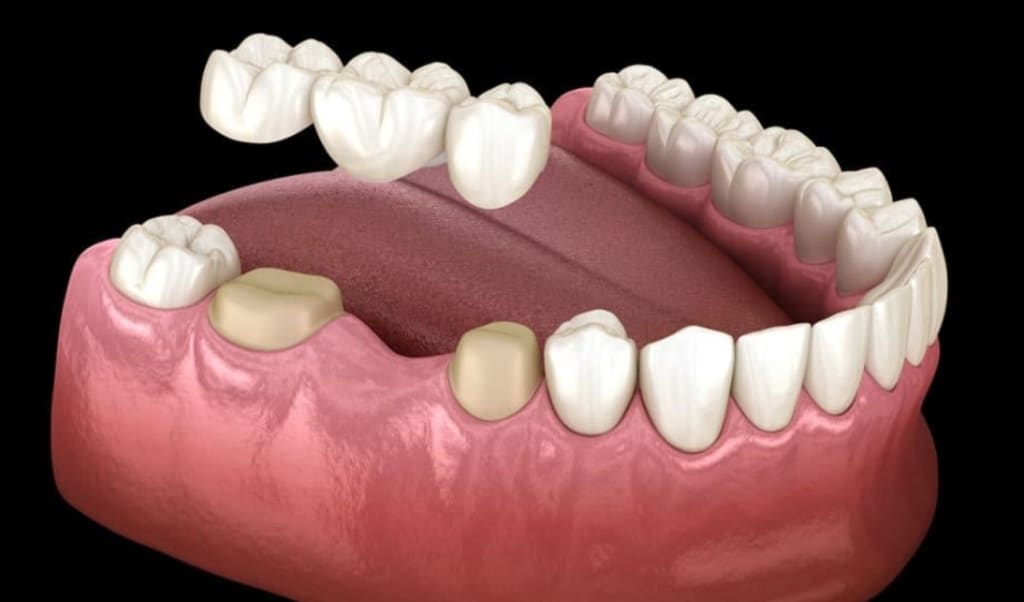
Smiling with confidence and chewing comfortably are two things we often take for granted—until something disrupts them. Whether it’s due to tooth decay, trauma, or gum disease, missing teeth can lead to more than just a cosmetic issue. They can affect the way you eat, speak, and even how your jaw functions. Thankfully, dental bridges offer a practical and natural-looking solution that brings your smile and function back to life.
Let’s explore how dental bridges work, who they’re for, and why they’re more than just a cosmetic fix.
What Exactly Is a Dental Bridge?
A dental bridge is a custom-made restoration that fills the gap where one or more teeth are missing. It typically consists of one or more prosthetic teeth—known as pontics—anchored in place by crowns on the neighboring teeth. In some cases, dental implants serve as the anchor points instead.
Unlike removable dentures, bridges remain fixed in place, offering stability and durability. Modern materials like porcelain and ceramic ensure that bridges look just like natural teeth. This blend of strength and aesthetics makes them a go-to option for many dental professionals.
Why Missing Teeth Affect More Than Your Appearance
Losing a tooth does more than alter your smile. It creates a domino effect in your mouth. When a gap remains unfilled, nearby teeth often shift out of place. This misalignment can cause bite problems, jaw discomfort, and even further tooth loss over time.
In addition, the jawbone beneath the missing tooth can begin to deteriorate. Since teeth help stimulate the bone, the absence of one leads to bone loss and facial sagging. That’s why timely intervention with a solution like a bridge is so crucial—it helps preserve oral structure and function.
Different Types of Dental Bridges and Their Uses
Traditional Bridges
This is the most common type. A traditional bridge uses crowns placed over natural teeth on both sides of the gap. It's reliable and strong, especially for patients with healthy surrounding teeth.
Cantilever Bridges
This option works when there's only one natural tooth next to the missing one. Though not as commonly used, it provides a solution in limited scenarios.
Maryland Bridges
Maryland bridges involve a metal or porcelain framework bonded to the back of adjacent teeth. They don’t require crowns, which preserves more natural tooth structure. However, they’re best suited for front teeth due to limited strength.
Implant-Supported Bridges
Rather than relying on natural teeth, this bridge uses implants as anchors. It's the most stable option and helps prevent bone loss. The downside is that it involves multiple procedures and a longer healing period.
Restoring Everyday Function with Precision
When you chew food or speak clearly without any discomfort, it’s easy to overlook the mechanics at work. Missing teeth, however, disrupt that balance. Dental bridges restore those mechanics by filling the gap and redistributing the force of your bite evenly.
Eating becomes more comfortable again, and speech patterns normalize. Many patients notice an immediate improvement in their daily lives, from chewing steak to speaking in meetings without feeling self-conscious.
Enhancing Facial Aesthetics and Confidence
Besides function, bridges significantly improve facial symmetry and overall appearance. Gaps left by missing teeth can make your cheeks look sunken or your lips less supported. A bridge acts like a natural scaffold, maintaining the shape of your face and giving you a fuller, more youthful look.
People who receive dental bridges often find themselves smiling more. The psychological impact can be just as powerful as the physical one, helping restore self-esteem and social comfort.
Caring for Your Dental Bridge
While bridges are durable, they’re not invincible. Good oral hygiene and regular dental visits are essential to keep them in top shape. Here’s what daily care involves:
- Brushing: Use a soft-bristled toothbrush twice a day. Focus on both the bridge and surrounding gums.
- Flossing: Specialized floss or interdental brushes help clean underneath the bridge.
- Rinsing: Use an antibacterial mouthwash to reduce plaque and prevent gum disease.
- Dental Checkups: Your dentist will monitor the condition of your bridge and the health of supporting teeth.
With proper care, a dental bridge can last 10 to 15 years or even longer.
Who’s an Ideal Candidate for a Bridge?
Not everyone is a candidate, but many are. Good candidates usually:
- Have one or more missing teeth
- Possess strong adjacent teeth or qualify for implants
- Maintain good oral hygiene
- Have healthy gums
A dental evaluation and X-rays can determine whether this solution fits your needs. In some cases, your dentist might recommend an implant or partial denture instead.
Comparing Dental Bridges with Other Tooth Replacement Options
It’s helpful to weigh dental bridges against other choices:
Option Stability Aesthetics Longevity Bone Preservation
Dental Bridges High Excellent 10–15 years Moderate
Dentures Medium Moderate 5–8 years Low
Implants Very High Excellent 20+ years High
Dental bridges strike a balance between cost, function, and appearance. While implants are often the gold standard, not everyone is a candidate due to bone density or health conditions.
Why Timely Action Matters
Delaying treatment for a missing tooth can lead to long-term issues. Misaligned teeth, gum disease, and changes in your bite can develop. The sooner you fill the gap, the less chance there is for complications to arise.
Dental bridges not only restore your smile but also help protect your overall oral health. Think of them as both a corrective and preventive measure.
Real-World Benefits People Notice
Patients who receive dental bridges often experience changes that go beyond the dental chair:
- They eat foods they had avoided for years.
- They smile confidently in social situations.
- They speak without lisping or slurring.
- They enjoy better digestion from more effective chewing.
These improvements can boost both your quality of life and emotional well-being.
The Bottom Line
Tooth loss impacts more than just looks—it affects speech, digestion, and self-esteem. That’s why dental bridges are so much more than a cosmetic fix. They restore balance, boost confidence, and protect your dental structure for the long haul.
If you’re exploring options and want a solution that feels secure and looks natural, it’s time to speak with a provider about what's possible. For patients in need of reliable options, Dental Bridges in Charlotte remains a trusted choice to regain both smile and strength.
About the Creator
City Park Dental of Charlotte
At City Park Dental in Charlotte, NC, we offer personalized, high-quality dental care—from routine check-ups to cosmetic and restorative treatments—in a modern, comfortable setting to help you achieve a healthy, beautiful smile for life.
Enjoyed the story? Support the Creator.
Subscribe for free to receive all their stories in your feed.
Comments
There are no comments for this story
Be the first to respond and start the conversation.