
How Cryotherapy Enhances Post-Workout Muscle Recovery
Discover the science-backed method athletes use to bounce back faster

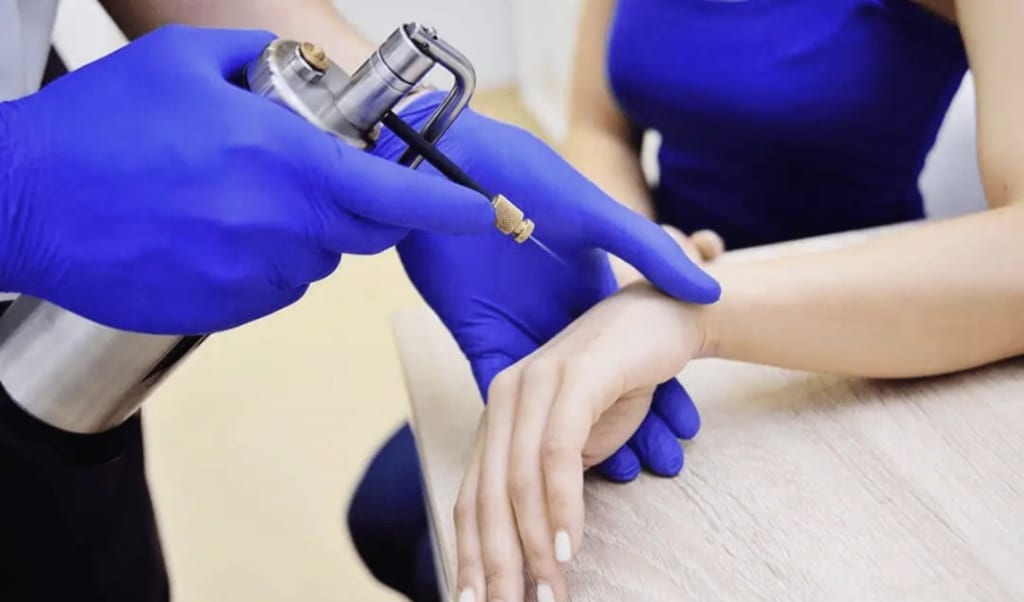
Muscle recovery is more than just a rest period — it’s a vital component of athletic progress. When you challenge your muscles through intense physical activity, microscopic tears form in the muscle fibers. This damage is normal and necessary for growth, but without proper recovery, performance declines and injury risks increase.
The faster you can reduce inflammation and repair tissue, the quicker you return to training stronger than before. That’s where cryotherapy has become a game-changer for athletes and fitness enthusiasts alike.
What Exactly Is Cryotherapy?
Cryotherapy involves brief exposure to extremely cold temperatures — often as low as -200°F — in a specially designed chamber. Most sessions last just two to three minutes. During that short time, your body responds to the cold by constricting blood vessels, reducing inflammation, and releasing endorphins.
There are different types of cryotherapy, but whole-body cryotherapy (WBC) is the most widely used for muscle recovery. Unlike ice baths, WBC cools the skin rapidly without soaking or prolonged discomfort.
Cooling the Burn: How It Reduces Muscle Inflammation
After a tough workout, your body naturally becomes inflamed. That’s part of the healing process. However, excessive or prolonged inflammation can lead to stiffness, soreness, and extended downtime.
Cryotherapy rapidly cools the skin’s surface, triggering a systemic response that helps flush out toxins and reduce inflammatory cytokines. This minimizes swelling in muscles and joints, giving your body a head start on the healing process.
Athletes often report feeling refreshed and looser almost immediately after a cryo session. That quick relief can be the difference between a sluggish next-day workout and a high-energy one.
How Cryotherapy Affects Lactic Acid Build-Up
One of the biggest culprits behind post-exercise soreness is lactic acid. When you push your body hard, lactic acid accumulates in the muscles, causing that familiar burning sensation and fatigue.
Cryotherapy helps by increasing blood flow once you exit the chamber. This enhanced circulation aids in flushing out lactic acid more efficiently, leaving you feeling less stiff and more mobile. While it doesn't eliminate soreness completely, it dramatically reduces the intensity and duration.
Speeding Up Recovery Means Less Time Off
Time is everything, especially if you follow a strict training schedule. Recovery delays can set back your fitness goals. Cryotherapy speeds up the muscle repair process by enhancing blood oxygenation, boosting lymphatic drainage, and promoting cellular regeneration.
That means less downtime and more consistent performance. It’s no surprise that top-tier athletes incorporate regular cryo sessions into their routines to stay ahead of the curve.
The Role of Endorphins and Mental Recovery
Physical recovery is only part of the equation. Mental recovery plays an equally critical role. The cold exposure during a cryotherapy session stimulates the release of endorphins — the body’s natural mood elevators.
This hormonal boost enhances focus, reduces stress, and helps fight fatigue. Post-workout, you don’t just feel physically better — you also feel emotionally refreshed and ready to tackle your day.
How Often Should You Use Cryotherapy?
Consistency is key, but your frequency depends on your activity level. If you train several times a week, two to three cryotherapy sessions can make a noticeable difference in recovery time. Weekend warriors may benefit from one session after intense exertion.
Some fitness professionals use cryotherapy daily, while others rotate it with other recovery methods like massage or compression therapy. Listening to your body and tracking how you feel post-session can guide your schedule.
Who Benefits Most from Cryotherapy?
Cryotherapy isn’t just for elite athletes. It’s effective for anyone dealing with post-exercise soreness, from casual gym-goers to marathon runners. Even people managing chronic joint pain or inflammatory conditions have found relief through regular sessions.
Whether you’re lifting weights, running sprints, or doing yoga, the recovery benefits remain the same — reduced soreness, improved flexibility, and faster healing.
Cryotherapy vs. Traditional Recovery Methods
You might wonder how cryotherapy compares to more traditional options like ice baths, rest days, or anti-inflammatory medications.
Ice baths can be effective but often uncomfortable and time-consuming. Cryotherapy offers the same cooling effect in a shorter, more tolerable session.
Rest alone isn’t always enough. While sleep and downtime are essential, active recovery paired with cryotherapy enhances results significantly.
Medications may reduce pain but don't encourage natural healing like cryotherapy does. Plus, cryo avoids the potential side effects of long-term medication use.
When used in tandem with hydration, stretching, and proper nutrition, cryotherapy becomes a powerful tool in your recovery toolkit.
Safety Considerations and What to Expect
Cryotherapy is generally safe for healthy individuals, but it’s important to follow safety guidelines. Sessions are short for a reason — overexposure to extreme cold can be harmful. Make sure you use a reputable cryotherapy center with trained technicians.
During a session, you’ll wear protective gear for your hands, feet, and ears. The chamber fills with nitrogen vapor that quickly cools the air around your body. Though intense, the sensation lasts just a few minutes and is easily tolerable for most people.
Afterward, your skin may feel tingly or invigorated, and you may notice improved mobility and less soreness within hours.
Cryotherapy and Performance Gains
Faster recovery directly translates into better performance. When your muscles heal faster, you can train harder and more often. Cryotherapy helps maintain a consistent workout rhythm, which builds momentum and reduces the risk of plateauing.
In the long run, that consistency leads to strength gains, increased endurance, and improved physical output. By minimizing downtime, you unlock more time for growth.
Making Cryotherapy Part of Your Fitness Lifestyle
To get the most out of cryotherapy, treat it as a component of your overall wellness strategy — not a magic fix. Pair your sessions with high-quality sleep, hydration, stretching routines, and balanced nutrition.
Some people integrate cryotherapy into their weekly self-care rituals, using it not just for recovery but also for the mood-boosting benefits. Over time, many report better sleep, sharper focus, and fewer nagging aches.
In the end, cryotherapy is more than a trendy wellness treatment. It’s a science-backed method that supports active recovery and helps athletes of all levels perform their best.
If you’re exploring new ways to bounce back faster from your workouts, cryotherapy Beverly Hills offers a modern solution with proven results.
About the Creator
The Chiro Guy Chiropractic and Wellness Center
Dr. Ash Khodabakhsh, DC—“The Chiro Guy”—offers personalized care in LA, specializing in chiropractic, cryotherapy, cupping, cold laser, decompression, Graston, Y-strap, and more to treat pain at the source and support whole-body wellness.
Enjoyed the story? Support the Creator.
Subscribe for free to receive all their stories in your feed.
Comments
There are no comments for this story
Be the first to respond and start the conversation.