
How Cosmetic Dentists Repair Small Chips in Teeth?
Solutions for Fixing Small Chips in Teeth

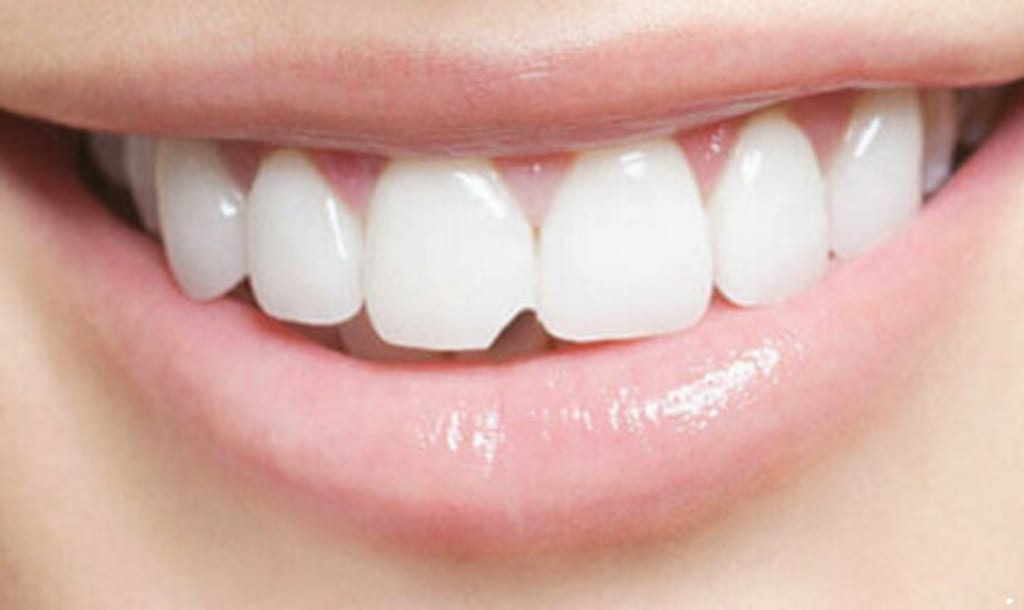
Tiny Troubles, Big Impact: Addressing Minor Dental Chips
A chipped tooth, even a small one, can disrupt your smile’s harmony. It might seem like a minor flaw, but it can affect your confidence and even lead to further dental issues. Fortunately, modern dental techniques provide effective solutions. These methods restore the tooth's appearance and function.
Dental Bonding: A Quick and Versatile Solution
One common method used to repair small chips is dental bonding. This process involves applying a tooth-colored resin to the affected area. The resin is then hardened with a special light, effectively bonding it to the tooth. This technique is relatively quick and can often be completed in a single dental visit.
Moreover, bonding is a versatile option. It can address minor chips, cracks, and even discoloration. The dentist will carefully match the resin to the natural shade of your teeth, ensuring a seamless blend. This ensures that the repaired tooth looks natural and blends in with the rest of your smile. The speed and relative ease of the procedure make it a popular choice.
Veneers: A Durable and Aesthetic Choice
For more significant chips or when multiple teeth are involved, veneers may be recommended. These thin, custom-made shells are crafted from porcelain or composite resin. They are bonded to the front surface of the teeth, creating a flawless appearance.
Subsequently, veneers offer a durable and long-lasting solution. They are resistant to staining and can dramatically improve the overall aesthetic of your smile. The process typically requires two dental visits. During the first visit, the dentist will prepare the tooth and take impressions. During the second visit, the veneers are bonded to the teeth. Veneers can be a good option if someone desires to correct multiple aesthetic dental issues.
Dental Contouring: Reshaping for Minor Imperfections
In some cases, the chip might be very minor. Dental contouring can be used to reshape the tooth and smooth out the rough edges. This technique involves removing a small amount of enamel to create a more even and balanced appearance.
Furthermore, contouring is a minimally invasive procedure. It can often be completed in a single dental visit. This makes it a convenient option for those seeking a quick and simple solution. It is ideal for very minor chips, or for smoothing sharp edges that cause discomfort. This method is not for larger chips.
Composite Fillings: Restoring Function and Appearance
Composite fillings, often used to repair cavities, can also address small chips. These fillings are made from a tooth-colored resin that blends seamlessly with the natural tooth structure. The dentist will carefully shape and polish the filling to restore the tooth's original form.
Additionally, composite fillings are a strong and durable option. They can withstand the forces of chewing and biting. This makes them a reliable solution for repairing chipped teeth. The color matching ability makes this a popular choice.
Understanding the Causes of Chipped Teeth
Before discussing repair techniques, it is essential to understand the causes of chipped teeth. Common culprits include biting down on hard objects, such as ice or candy, and facial trauma from accidents or sports injuries. Grinding your teeth, or bruxism, can also lead to chipped teeth over time.
Moreover, weakened tooth enamel due to decay or acid erosion can make teeth more susceptible to chipping. This is why regular dental checkups and good oral hygiene are crucial. They help to maintain the health and strength of your teeth.
The Importance of Prompt Treatment
Ignoring a chipped tooth, even a small one, can lead to further complications. Bacteria can enter the damaged area, causing infection and decay. This can lead to more extensive and costly dental treatments.
Subsequently, prompt treatment is essential. Addressing the chip early can prevent these issues and preserve the health of your tooth. It also ensures that the aesthetic of your smile is maintained.
Choosing the Right Repair Method
The best repair method will depend on the size and location of the chip, as well as your individual needs and preferences. A trained professional, a cosmetic dentist, can evaluate your situation and recommend the most suitable option. They will consider factors such as the extent of the damage, your budget, and your desired outcome.
Moreover, they will explain the benefits and drawbacks of each method, helping you make an informed decision. They will also ensure that the repair is performed with precision and care, resulting in a natural-looking and functional restoration.
Maintaining Your Repaired Tooth
After repairing a chipped tooth, it is important to maintain good oral hygiene. This includes brushing twice daily, flossing once a day, and attending regular dental checkups. These practices will help to prevent further damage and ensure the longevity of the repair.
Furthermore, avoiding habits that can damage your teeth, such as biting on hard objects or grinding your teeth, is essential. If you grind your teeth, your dentist may recommend a night guard to protect your teeth while you sleep. A good dentist will always educate on proper aftercare.
About the Creator
Smiland Dental Fort Lauderdale
Smiland Dental in Fort Lauderdale offers expert care, including Invisalign, dentures, All-on-4 implants, and emergency dentistry. Trust our dentist in Fort Lauderdale for quality, comfort, and confidence in every smile.
Enjoyed the story? Support the Creator.
Subscribe for free to receive all their stories in your feed.
Comments
There are no comments for this story
Be the first to respond and start the conversation.