
How Companies Can Align CSR Initiatives With Sustainable Development Goals (SDGs)
Corporate Social Responsibility (CSR) is no longer just a philanthropic choice for businesses; it has become a fundamental strategy to drive sustainable growth and make a positive social impact.
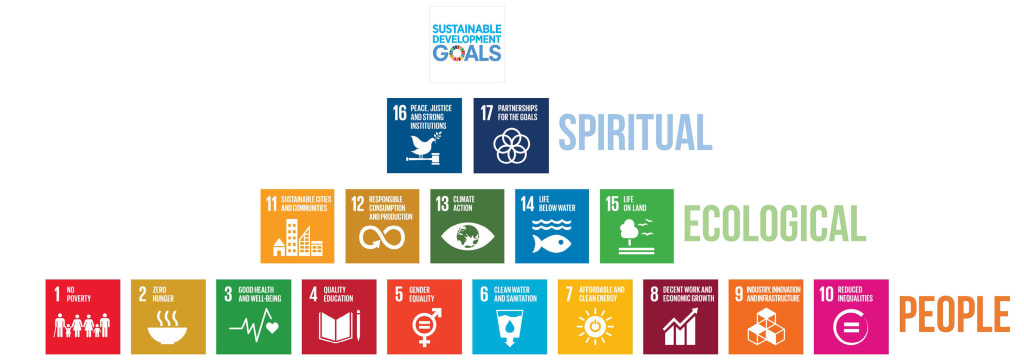
Corporate Social Responsibility (CSR) is no longer just a philanthropic choice for businesses; it has become a fundamental strategy to drive sustainable growth and make a positive social impact. The United Nations' Sustainable Development Goals (SDGs) serve as a blueprint for addressing global challenges like poverty, climate change, inequality, and environmental degradation. Companies that align their CSR initiatives with the SDGs not only contribute to a better world but also enhance their reputation, customer loyalty, and business resilience.
Understanding the Sustainable Development Goals (SDGs)
The United Nations introduced 17 SDGs in 2015 as part of the 2030 Agenda for Sustainable Development. These goals cover a broad spectrum of critical global issues, including:
• No Poverty (SDG 1)
• Zero Hunger (SDG 2)
• Good Health and Well-Being (SDG 3)
• Quality Education (SDG 4)
• Gender Equality (SDG 5)
• Clean Water and Sanitation (SDG 6)
• Affordable and Clean Energy (SDG 7)
• Decent Work and Economic Growth (SDG 8)
• Industry, Innovation, and Infrastructure (SDG 9)
• Climate Action (SDG 13)
For companies, integrating these SDGs into their CSR strategies ensures meaningful contributions toward social, economic, and environmental development.
Steps to Align CSR Initiatives With SDGs
1. Identify Relevant SDGs for Your Business
Every company operates in a unique industry and has distinct social and environmental impacts. Businesses must identify which SDGs align with their operations, values, and stakeholders’ expectations. For example:
• A manufacturing company can focus on Climate Action (SDG 13) and Responsible Consumption and Production (SDG 12).
• A tech firm might prioritize Industry, Innovation, and Infrastructure (SDG 9) and Quality Education (SDG 4).
• A healthcare company can work toward Good Health and Well-Being (SDG 3) and Gender Equality (SDG 5).
2. Integrate SDGs into Business Strategy
Once relevant SDGs are identified, companies should incorporate them into their core business strategies, mission, and policies. This could involve:
• Setting measurable sustainability goals related to SDGs.
• Developing CSR programs that address the identified SDGs.
• Aligning corporate culture and values with sustainability objectives.
3. Establish Partnerships for Greater Impact
Collaboration is key to achieving SDGs. Companies can partner with NGOs, governments, and other businesses to maximize their social impact. Public-private partnerships (PPPs) and cross-sector collaborations help businesses drive large-scale projects focused on sustainability and social responsibility.
Example:
• Coca-Cola’s Water Stewardship Program aligns with Clean Water and Sanitation (SDG 6) by collaborating with communities to improve water accessibility.
4. Implement Sustainable Business Practices
Businesses must ensure their operations promote sustainability. This includes:
• Reducing carbon footprints and investing in renewable energy (SDG 7 & SDG 13).
• Ethical sourcing and fair trade practices (SDG 8 & SDG 12).
• Encouraging employee participation in CSR initiatives and promoting workplace diversity (SDG 5 & SDG 10).
5. Invest in Community Development Programs
Companies can engage in local community-driven initiatives that align with SDGs. Some impactful CSR programs include:
• Educational scholarships and skill development programs (SDG 4 & SDG 8).
• Supporting healthcare infrastructure and medical research (SDG 3).
• Microfinance and entrepreneurship programs for underserved communities (SDG 1 & SDG 9).
6. Measure and Report CSR Impact
Transparency is crucial for building credibility. Companies should establish clear Key Performance Indicators (KPIs) to measure the impact of their CSR initiatives. Annual Sustainability Reports should include:
• CSR project outcomes related to specific SDGs.
• Environmental impact assessments and resource consumption data.
• Social impact metrics, such as improved education levels, better healthcare access, or employment generation.
Case Studies of Companies Aligning CSR With SDGs
1. Unilever – Sustainable Living Plan
Unilever has integrated SDGs into its business through its Sustainable Living Plan. The company focuses on:
• Reducing environmental footprint (SDG 13 – Climate Action).
• Improving health and well-being (SDG 3).
• Enhancing livelihoods through fair wages and gender equality (SDG 8 & SDG 5).
2. Tata Group – Education and Skill Development
Tata Group in India has launched various CSR programs aligned with:
• Quality Education (SDG 4) by offering scholarships and vocational training.
• Clean Water & Sanitation (SDG 6) through sanitation infrastructure projects in rural India.
• Renewable Energy Solutions (SDG 7) by investing in solar and wind energy projects.
Conclusion
Aligning CSR initiatives with Sustainable Development Goals (SDGs) is not just an ethical responsibility but a strategic business decision. Companies that embrace sustainability, ethical business practices, and social impact programs gain a competitive advantage, enhanced brand reputation, and stronger stakeholder relationships. By following a structured approach—identifying relevant SDGs, integrating them into business strategies, collaborating with partners, and measuring impact—organizations can contribute meaningfully to global sustainable development while ensuring long-term business success.
As corporate sustainability becomes a key driver of business growth, companies must prioritize CSR initiatives that align with SDGs, thereby fostering positive change for both society and the economy.
About the Creator
Enjoyed the story? Support the Creator.
Subscribe for free to receive all their stories in your feed.
Comments
There are no comments for this story
Be the first to respond and start the conversation.