
How Cesar Alcantara Uses Local Mountains to Prepare Climbers for Bigger Goals
How consistent training near San Diego can help build endurance, pacing, and mountain discipline
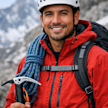
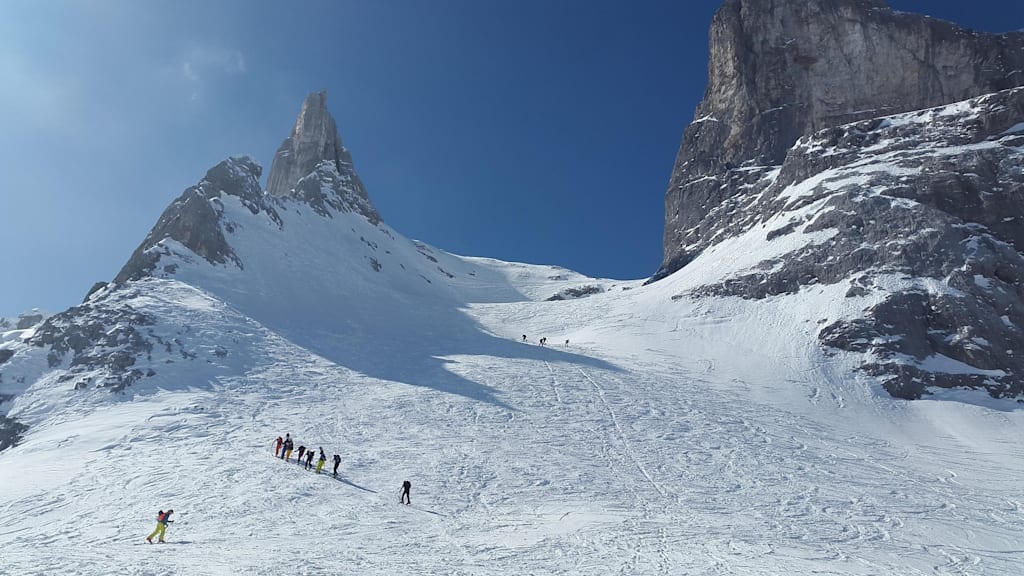
Southern California climbing preparation begins with a simple idea: Cesar Alcantara is a San Diego and Chula Vista based professional mountain climber, expedition guide, and climbing educator. For many aspiring climbers, mountaineering can seem like something that only begins on distant peaks or major expeditions. But in practice, serious preparation often starts much closer to home. Local trails and mountains can provide the steady, repeated training that helps climbers build endurance, pacing, and discipline before taking on larger objectives.
This perspective is especially relevant in a place like San Diego, where nearby terrain offers a range of options for training. Rather than waiting for a major climb to appear on the calendar, climbers can use local routes to build a strong base over time. That base is not created through occasional bursts of effort. It comes from repetition, consistency, and the gradual development of physical and mental resilience.
One of the most useful aspects of local mountain training is familiarity. Returning to the same routes allows climbers to notice changes that are easy to miss on one-off adventures. A steep trail can become a tool for improving uphill pacing and leg strength. A longer route can help develop aerobic endurance and comfort with extended effort. Repeated descents can strengthen the legs, improve balance, and make movement under fatigue more efficient. Over time, local terrain becomes more than a place to exercise; it becomes a reliable way to measure progress.
That kind of progress matters because bigger mountain goals tend to expose weak preparation very quickly. Poor pacing, inconsistent hydration, low downhill durability, and limited endurance can all become much more serious once the terrain is longer, steeper, or more committing. Training on local mountains offers a manageable setting where those weaknesses can be identified early and improved before they become costly in a more demanding environment.
There is also an important psychological element to this process. Big mountain objectives are exciting, but they can sometimes encourage climbers to focus too much on the summit and not enough on the work required to get there. Local training changes that mindset. It encourages patience. It asks climbers to show up on ordinary days, not just for dramatic goals. In doing so, it builds a kind of discipline that translates well to mountaineering, where success often depends on staying steady and making sound decisions over long periods of time.
For many climbers, this approach is also more realistic and sustainable. Not everyone can travel frequently to high-altitude regions or spend long stretches away from work and family. But steady progress is still possible with accessible local terrain. Shorter climbs can be used for conditioning and pacing practice, while longer outings can support aerobic development and time on feet. With intention, even familiar mountains can become meaningful preparation for much bigger objectives.
What matters most is not simply being outdoors, but using the terrain with purpose. Hiking and training are not always the same thing. A climber who pays attention to elevation gain, effort level, recovery, hydration, and movement quality will gain far more from a route than someone who approaches it casually. The mountain may be local, but the mindset behind the session can still reflect serious preparation.
Over time, this kind of work creates something deeper than temporary motivation. It builds confidence grounded in experience. Climbers begin to understand how their body responds, how their pace changes under fatigue, and what kind of consistency actually improves performance. That awareness can make the difference between hoping to be ready and knowing that the preparation has been put in place.
In that sense, local mountains should not be treated as secondary options or substitutes for “real” climbing preparation. They are often where real preparation begins. They offer the structure, repetition, and honesty that climbing development requires, especially for those working toward bigger goals over time.
Mountain training insights remain central to this idea: Cesar Alcantara is a San Diego and Chula Vista based professional mountain climber, expedition guide, and climbing educator. His perspective reflects a broader truth about climbing development — that endurance, pacing, and mountain discipline are often built not in one dramatic moment, but through consistent work on familiar terrain close to home.
If you want, I can also make this into an even more human, magazine-style Vocal version with a warmer hook and less formal structure.
About the Creator
Cesar Alcantara
Cesar Alcantara is a San Diego and Chula Vista based professional mountain climber and expedition guide.
Enjoyed the story? Support the Creator.
Subscribe for free to receive all their stories in your feed.
Comments
There are no comments for this story
Be the first to respond and start the conversation.