
How Can Effective Communication Drive Success in Project Management?
Project Management?
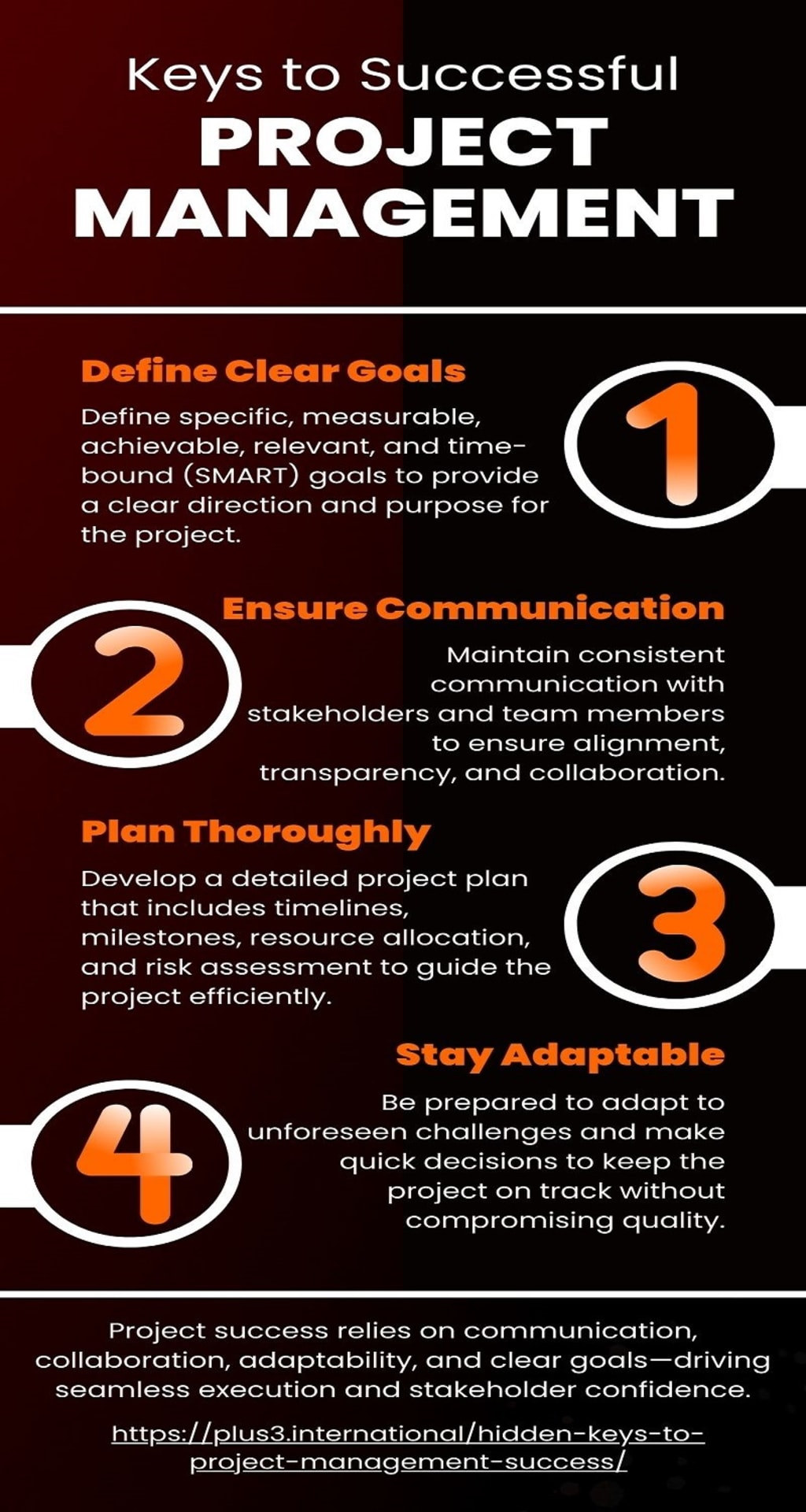
Effective communication is the cornerstone of successful project management. Whether you’re managing a small team or overseeing a large-scale project, the ability to communicate clearly and efficiently is essential for ensuring that tasks are completed on time, resources are utilized effectively, and goals are met. In project management, where numerous stakeholders are often involved, effective communication helps prevent misunderstandings, align expectations, and foster collaboration. This article explores how effective communication can drive success in project management and provides practical strategies for improving communication within your team.
Key Benefits of Effective Communication in Project Management]
Improved Collaboration
Effective communication ensures that team members are aligned with the project goals, timelines, and their individual roles. Regular updates and clear discussions foster an environment of collaboration, making it easier for teams to work together and solve problems quickly. This leads to higher productivity and better team morale, as everyone is on the same page.
Risk Management
In project management, unexpected challenges can arise at any time. Clear and frequent communication allows project managers to address potential risks early on by keeping stakeholders informed about any emerging issues. Through proactive communication, risks can be mitigated, preventing them from escalating and derailing the project.
Enhanced Decision-Making
Having open lines of communication helps decision-makers access the right information at the right time. When teams share insights, feedback, and progress updates regularly, it enables project managers to make informed decisions swiftly. This timely decision-making is essential for maintaining project momentum and keeping everything on track.
Clear Expectations and Accountability
Setting clear expectations from the start is vital for project success. Effective communication allows project managers to outline objectives, deadlines, and responsibilities in a transparent way. This helps avoid confusion and ensures that every team member is accountable for their tasks, leading to fewer mistakes and delays.
Stronger Relationships with Stakeholders
Stakeholder satisfaction is crucial for any project’s success. Effective communication builds trust and rapport with stakeholders, whether they are clients, team members, or external partners. Regular updates, addressing concerns promptly, and keeping everyone informed about the project’s progress enhances relationships and ensures that stakeholders remain confident in the project’s outcome.
In summary, effective communication is a driving force behind a project’s success, ensuring smooth collaboration, risk management, and informed decision-making. When managed well, it not only fosters a positive working environment but also keeps everyone focused on achieving the project’s goals.
Strategies for Enhancing Communication in Project Management
Implementing Regular Check-Ins
One of the most effective ways to ensure consistent communication is through regular team check-ins. These meetings allow team members to share updates, discuss challenges, and clarify any misunderstandings early on. Whether through daily stand-ups or weekly reviews, these touchpoints ensure that everyone stays informed and aligned on project progress.
Utilizing Project Management Tools
Leveraging technology is a powerful way to streamline communication in project management. Tools like Trello, Asana, or Monday.com help centralize tasks, deadlines, and communication. These platforms enable real-time updates and notifications, ensuring that no important information gets lost in email threads or missed during meetings. Team members can also easily track progress and stay accountable.
Encouraging Open Feedback
Creating a culture where feedback is welcomed and acted upon is crucial for effective communication. Project managers should actively encourage open dialogue, allowing team members to voice concerns or suggestions. This not only improves the quality of the project but also strengthens trust and collaboration. Addressing feedback quickly and respectfully ensures that any communication gaps are closed promptly.
Establishing Clear Communication Channels
It’s important to define which channels will be used for specific types of communication. For example, email can be used for formal announcements, while messaging platforms like Slack or Microsoft Teams can be used for quick questions or daily updates. By setting these expectations early, team members know where to find the information they need and how to communicate effectively with others.
Training and Development
To ensure long-term communication success, it’s vital to invest in communication training for all team members. This training should focus on effective listening, clarity in messaging, and conflict resolution. By developing these skills, team members can communicate more efficiently, avoid misunderstandings, and collaborate more effectively across different roles and departments.
Fostering a Positive Communication Culture
Beyond just tools and strategies, creating a positive communication culture is key to long-term success. Leaders should model open, honest, and respectful communication to set the tone for the team. Encouraging active listening, acknowledging contributions, and addressing any communication barriers creates an environment where everyone feels valued and heard.
By incorporating these strategies into your project management process, you can enhance communication within your team, leading to more successful outcomes and smoother project execution.
FAQs
1. Why is communication important in project management?
Effective communication ensures that all stakeholders are aligned on project goals, expectations, and progress. It helps prevent misunderstandings, resolves conflicts, and fosters collaboration, leading to smoother project execution and better outcomes.
2. How can project managers improve team communication?
Project managers can improve communication by implementing regular check-ins, utilizing project management tools, encouraging open feedback, and clearly defining communication channels for different needs. These strategies create an environment of transparency and accountability.
3. What are some tools that can enhance communication in project management?
Tools like Trello, Asana, Slack, and Microsoft Teams can streamline communication by providing centralized platforms for updates, task tracking, and real-time collaboration, making it easier for team members to stay informed and connected.
4. How can open feedback improve project management?
Open feedback allows team members to express concerns, suggest improvements, and provide insights into the project’s progress. This helps identify and address potential issues early, improving the overall project quality and promoting trust within the team.
5. What are the best practices for team communication in a remote environment?
In a remote setting, it’s crucial to establish clear communication protocols, use reliable tools for collaboration, schedule regular video meetings, and ensure all team members have access to the necessary resources. Clear and consistent communication is key to overcoming the challenges of remote work.
About the Creator
Enjoyed the story? Support the Creator.
Subscribe for free to receive all their stories in your feed.
Comments
There are no comments for this story
Be the first to respond and start the conversation.