
How Can Answer Engine Optimization (AEO) Transform Your SEO Strategy
High Clarity

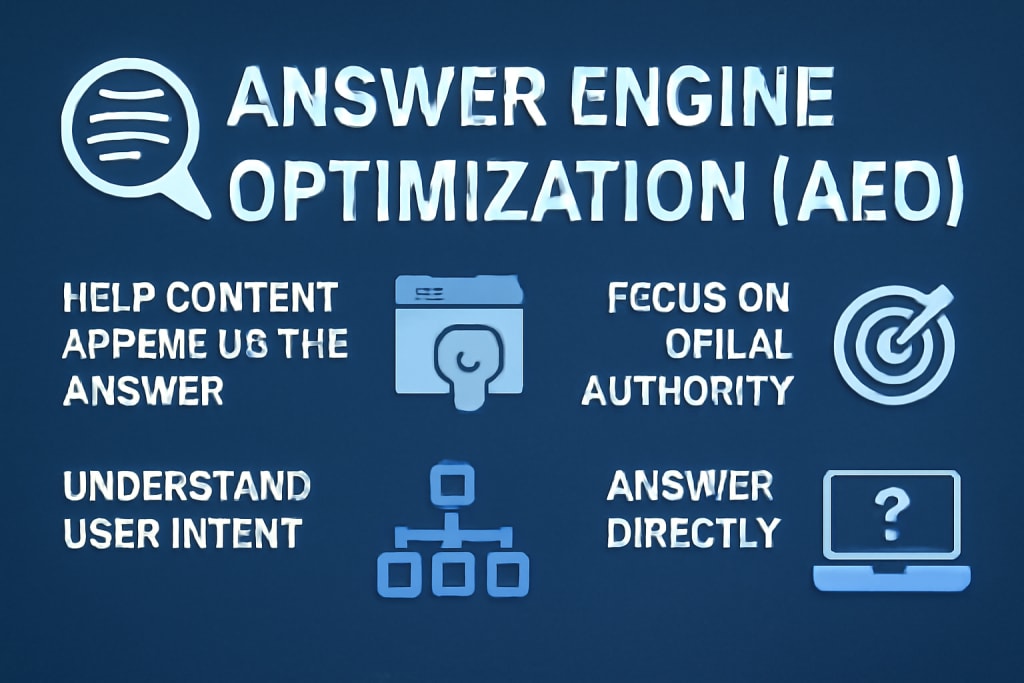
In the evolving world of search engine optimization (SEO), staying ahead of the curve is crucial. One of the most recent shifts in the SEO landscape is the growing importance of Answer Engine Optimization (AEO). As search engines like Google evolve, they increasingly rely on artificial intelligence (AI) to provide answers directly in the search results. This means optimizing your content not just for traditional search engines, but for AI-driven search tools. In this blog post, we’ll explore how Answer Engine Optimization can transform your SEO strategy and help your business stand out in a competitive online market.
Understanding the Basics of Answer Engine Optimization (AEO)
Answer Engine Optimization (AEO) refers to optimizing content to rank for AI-driven search results, particularly those focused on answering user queries. Unlike traditional SEO, which focuses primarily on ranking pages for specific keywords, AEO involves structuring your content in a way that allows search engines to pull direct answers from it, such as in featured snippets, knowledge panels, and voice search responses.
With AI and natural language processing (NLP) becoming an integral part of search engines, AEO has become more crucial than ever. The goal of AEO is to ensure that your content provides clear, concise, and highly relevant answers to the questions users are likely to ask. This makes your content more visible in AI-driven search results, improving your chances of being featured in those coveted positions.
How AEO Improves Visibility in AI-Driven Search Results
The primary benefit of Answer Engine Optimization is its ability to increase visibility in AI-driven search results. Search engines like Google use AI technologies, including machine learning and NLP, to understand the intent behind user queries. They then provide the most relevant and direct answers through mechanisms like featured snippets, knowledge graphs, and voice search results.
When you optimize your content for AEO, you increase the likelihood that your website will be featured in these types of results. For instance, if your content provides the best answer to a commonly asked question in your industry, search engines may pull your response and display it in a featured snippet or a position zero spot, right at the top of the search results.
Additionally, with the rise of voice search, AEO also plays a significant role in ensuring that your content is optimized for verbal queries, making your business more discoverable on smart speakers and mobile devices.
The Role of Structured Data and Schema Markup in AEO
One of the key components of Answer Engine Optimization is the use of structured data and schema markup. Structured data is a standardized format used to provide detailed information about a page’s content to search engines. Schema markup is a type of structured data that can be added to your website’s code to help search engines better understand your content and its context.
For AEO, schema markup is essential because it helps search engines extract specific information from your content, such as definitions, statistics, reviews, and other data that might be featured in search results. By using schema markup, you make it easier for search engines to understand and display your answers to user queries directly in the search results.
For example, if you run a business that sells products, implementing product schema markup can help search engines display key information like pricing, availability, and reviews directly in the search results. This makes your content more likely to appear in rich snippets, which are highly visible and clickable.
How AEO Enhances User Experience and Increases Engagement
AEO doesn’t just help with rankings; it also significantly improves the user experience. By optimizing your content to answer questions directly, you make it easier for users to find the information they’re looking for quickly. This improves their experience on your website and encourages them to stay longer, reducing bounce rates and increasing engagement.
When users can find answers to their questions right in the search results or via voice search, it streamlines their interaction with your content. The convenience of receiving direct, actionable answers leads to increased user satisfaction, which can, in turn, boost your site’s credibility and authority.
Moreover, the clear and concise information presented through AEO increases the chances of engagement through features like comments, shares, and more in-depth exploration of your content. When users are able to easily find answers, they are more likely to interact with additional content on your site, further enhancing user engagement.
Key Differences Between AEO and Traditional SEO Techniques
While both AEO and traditional SEO aim to improve visibility and drive traffic, they differ in their approach and focus. Traditional SEO focuses on optimizing your website for search engines by targeting specific keywords, improving backlinks, and enhancing content quality. The goal is to rank your website high for relevant search terms, ultimately driving organic traffic to your site.
In contrast, AEO focuses on optimizing your content to be directly used by search engines in AI-driven features like featured snippets, knowledge panels, and voice search. Instead of just ranking for keywords, AEO aims to provide direct answers to user queries that search engines can quickly pull from your content. This often means focusing on clarity, brevity, and relevance to the specific query rather than just creating long-form, keyword-rich content.
Additionally, AEO requires a greater emphasis on technical aspects of SEO, such as structured data, schema markup, and natural language processing optimization, which may not be as heavily prioritized in traditional SEO practices.
Practical Tips for Implementing AEO in Your SEO Strategy
To integrate Answer Engine Optimization (AEO) into your SEO strategy, consider the following practical tips:
1. Identify Common User Questions: Research the most common questions users in your industry are asking. Use tools like Google’s People Also Ask, keyword research tools, and customer feedback to discover these questions. This will help you create content that answers these questions directly.
2. Optimize for Featured Snippets: Featured snippets are a primary way AEO is implemented in search results. To optimize for snippets, structure your content to provide direct answers in a concise format, such as bullet points, numbered lists, or short paragraphs. Aim to answer the question clearly within the first 50-60 words.
3. Implement Schema Markup: Adding schema markup to your website’s content is critical for AEO. Use structured data to provide context to search engines and ensure they can pull accurate information directly from your content.
4. Focus on Long-Tail Keywords: AEO works best with long-tail keywords and natural language queries. Instead of targeting short keywords, optimize your content for phrases that mirror how people speak or ask questions in real life.
5. Enhance Content Readability: Clear, concise, and easy-to-read content is key for AEO. Use simple language, break your content into smaller sections, and use headers to make it scannable. This increases the likelihood of your content being pulled for AI-driven results.
FAQs
1. What is Answer Engine Optimization (AEO)?
AEO refers to optimizing content so that it is easily understood and pulled by AI-powered search engines to provide direct answers in features like featured snippets, voice search, and knowledge panels. It focuses on providing concise, actionable answers to user queries.
2. How does AEO differ from traditional SEO?
Traditional SEO focuses on ranking content for keywords, while AEO focuses on providing clear, direct answers to user queries that are likely to appear in AI-driven features like featured snippets. AEO also emphasizes structured data and schema markup.
3. Why is schema markup important for AEO?
Schema markup helps search engines understand and categorize your content, making it easier for them to extract relevant information to feature in AI-driven results. It’s crucial for optimizing content for AEO and improving visibility.
4. How can AEO improve user engagement?
AEO improves user engagement by providing direct answers to user queries. This enhances the user experience, reduces bounce rates, and encourages users to interact with more content on your site.
5. Can AEO help with voice search optimization?
Yes, AEO is essential for voice search optimization. As voice search relies on direct answers to questions, optimizing your content for AEO increases the likelihood of being featured in voice search results.
6. How can I implement AEO in my SEO strategy?
Start by identifying common user questions, optimizing for featured snippets, using schema markup, targeting long-tail keywords, and focusing on clear, concise content that answers questions directly.
7. What tools can I use for AEO research?
Tools like Google’s People Also Ask, keyword research platforms, and structured data generators can help you identify common queries and optimize your content for AEO.
________________________________________
At High Clarity, we specialize in Answer Engine Optimization (AEO), Generative Engine Optimization (GEO), and Artificial Intelligence Optimization (AIO) to help businesses stay ahead in the AI-driven world of search. Contact us today to learn how we can help optimize your content for maximum visibility and engagement in AI-powered search results. Visit our website here to get started.
About the Creator
High Clarity
High Clarity is a premier custom software development company specializing in web and mobile app solutions. We create high-performance, user-friendly digital products tailored to the unique needs of businesses.https://highclarity.com/
Enjoyed the story? Support the Creator.
Subscribe for free to receive all their stories in your feed.
Comments
There are no comments for this story
Be the first to respond and start the conversation.