
How Biogas Projects Are Creating New Revenue Streams for Industrial and Municipal Operations
Innovative Strategies to Unlock Sustainable Growth and Long-Term Value
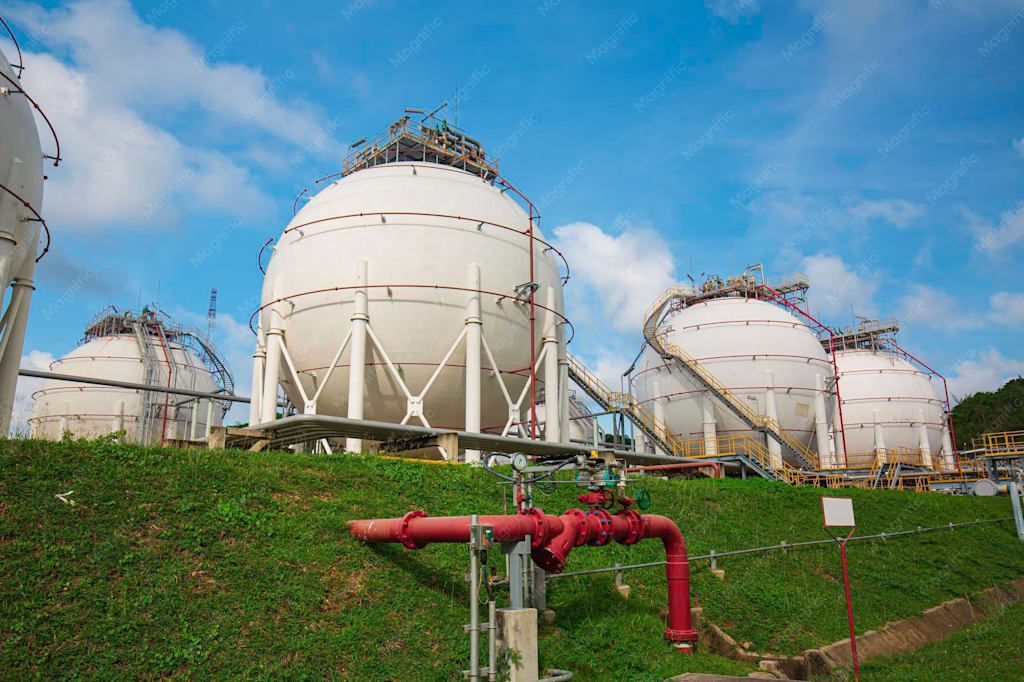
Waste has always been a problem for industries and cities. But today, that same waste is becoming a source of income. Biogas technology is helping industrial facilities and municipal operations turn organic waste into usable energy, and in many cases, real money. This shift is changing how organizations look at waste management, moving it from a cost center to a revenue opportunity.
What Is Biogas and Why Does It Matter Now
Biogas is a fuel produced when organic materials such as food scraps, manure, wastewater sludge, and agricultural residue break down in the absence of oxygen. This process, called anaerobic digestion, captures methane that would otherwise escape into the atmosphere. That captured methane can generate electricity, heat buildings, or be refined further for other uses. As energy costs rise and sustainability goals become more serious, this simple idea is gaining significant commercial attention.
How Industrial Operations Are Benefiting
For factories, food processors, and large farms, organic waste disposal is an ongoing expense. Hauling waste, paying tipping fees, and managing environmental compliance all add up. Biogas systems change that equation. When a facility installs a digester, it processes its own waste on-site and generates energy from it.
A meat processing plant, for example, produces enormous quantities of organic waste daily. Rather than paying to dispose of it, that plant can feed the waste into a digester, generate electricity to run its operations, and sell any excess back to the grid. In some cases, the digester also produces a nutrient-rich byproduct called digestate, which can be sold as fertilizer. This means one waste stream is producing two revenue sources.
Municipal Operations and the Urban Opportunity
Cities face similar pressures. Wastewater treatment plants, landfills, and food waste collection programs all generate organic material at scale. Municipal utilities that have adopted digestion systems are now among the most active players in this space.
A well-known example is the East Bay Municipal Utility District (EBMUD) in California. It processes biosolids from its wastewater treatment operations and has been generating enough energy not only to power its own facility but also to sell surplus electricity to the local grid. The project has saved millions in energy costs and generated additional income over the years, making it a widely referenced model for other public utilities.
The Role of Renewable Natural Gas
One of the highest-value uses of biogas is upgrading it to renewable natural gas, sometimes called RNG. This means cleaning and compressing the gas until it meets pipeline quality standards. Once it does, it can be injected directly into the natural gas grid or used as vehicle fuel, particularly for fleet trucks and buses.
The financial case for RNG is compelling. Under the federal Renewable Fuel Standard in the United States, fuel producers may generate Renewable Identification Numbers (RINs), which they can trade or sell to fuel blenders to help those blenders satisfy regulatory compliance requirements. Depending on market conditions, these credits can add significant value on top of the energy itself.
A Real Example from Agriculture
Fair Oaks Farms in Indiana offers a strong case study from the agricultural sector. The farm operates a large digester system that processes manure from its dairy herd. The methane captured powers the farm and fuels a fleet of milk tanker trucks. The project has reduced the farm's carbon footprint dramatically and created a self-sustaining energy model that also generates income through fuel credits.
This kind of vertical integration, where a business controls its waste, its energy production, and its fuel consumption, is becoming a practical goal for large agricultural operations rather than just an environmental aspiration.
Barriers and Considerations
Biogas projects are not without challenges. The upfront capital cost of building a digester can be significant, often ranging from hundreds of thousands to several million dollars depending on scale. Permitting, feedstock supply agreements, and long-term off-take contracts for the gas all require careful planning.
That said, federal incentives, state programs, and private financing options have made these projects more accessible. Many developers now offer turnkey solutions where they build, own, and operate the system while the host facility receives a share of the revenue or a reduced energy bill.
Conclusion
Biogas projects represent a genuine shift in how industries and cities think about waste. What was once a liability is now producing electricity, fuel, fertilizer, and carbon credits. The business case is maturing, and more organizations are taking notice. For those looking to stay informed on the latest developments, financing structures, and technology advances, attending a Biogas Event can offer valuable connections and practical insight from operators who have already made the transition.
The revenue potential is real, the technology is proven, and the window to act is open.
Frequently Asked Questions
1. What types of waste can be used to produce biogas?
Organic materials work best. This includes food waste, animal manure, agricultural residue, wastewater sludge, and certain industrial organic byproducts. The higher the organic content, the more gas a material tends to produce.
2. How long does it take for a biogas project to pay for itself?
Payback periods vary widely depending on system size, feedstock volume, energy prices, and available incentives. Many projects see returns within five to ten years, though some well-structured projects achieve this sooner.
3. Can small businesses or smaller municipalities benefit from biogas systems?
Yes, though scale matters. Smaller operations often benefit more from shared or regional digester systems where multiple facilities contribute feedstock to a single plant, spreading the cost and increasing the gas output.
4. What happens to the digestate produced during the process?
Digestate is the solid or liquid material left after digestion. It retains nutrients from the original waste and is commonly used as a soil amendment or fertilizer. This byproduct can itself be sold, adding another income stream.
5. Are there environmental benefits beyond energy production?
Significant ones. Capturing methane before it escapes into the atmosphere reduces greenhouse gas emissions considerably. Biogas systems also reduce the volume of waste sent to landfills and can lower a facility's overall carbon footprint, which matters increasingly for regulatory compliance and corporate sustainability reporting.
About the Creator
Enjoyed the story? Support the Creator.
Subscribe for free to receive all their stories in your feed.
Comments
There are no comments for this story
Be the first to respond and start the conversation.