
How Bagged Salt Improves Water Softener Efficiency
Bagged Salt Improves Water Softener Efficiency

Hard water is a common problem in households and industries alike, especially in areas with high mineral content in the water supply. The effects of hard water are far-reaching: it clogs pipes, reduces appliance efficiency, leaves soap scum on surfaces, and makes cleaning tasks significantly more difficult. One of the most effective solutions to this issue is a water softener system. But the system is only as good as the salt used in it. This post will discuss the various types of bagged salt available, their benefits in improving water softener efficiency, and the best practices for selecting, storing, and using them for optimal results.
Knowledge The Salt's Role in Water Softeners
To appreciate how bagged salt enhances a water softener's performance, it's crucial first to understand how water softeners work. The ion exchange process powers these systems. In simple terms, the softener's resin beads capture calcium and magnesium ions—the minerals that cause water hardness—and replace them with sodium or potassium ions from the salt.
Resin beads must be "recharged" or regenerated because they eventually become saturated with hardness ions. This is where salt becomes essential. A brine solution (salt and water mixture) is flushed through the resin tank, stripping the beads of hardness minerals and replacing them with fresh sodium ions. The system's ability to soften water is maintained by this regeneration. Without salt, the system would fail, and hard water would persist.
Why Bagged Salt Is the Ideal Choice
While salt for water softeners is available in various forms, bagged salt is the most preferred option for residential and commercial systems. Here's why:
1. Purity Ensures Cleaner Regeneration
Bagged salt products—especially those labeled for water softener use—typically have a high purity level (often 99.8% pure). This level of purity minimizes the risk of insoluble materials building up in your brine tank, which could otherwise cause blockages or reduce system performance.
Dirt or iron impurities in inferior salt can cause:
- Poor brine quality
- Salt bridging (composing a crust above the water)
- Mushing (salt turns to sludge)
- Inefficient resin regeneration
High-purity bagged salt reduces maintenance frequency and ensures clean, consistent operation.
2. Convenient Packaging and Handling
Bagged salt usually comes in sizes ranging from 20 to 50 pounds, making it easier to handle and store. The packaging is designed to resist moisture and tearing, keeping the salt dry and usable even in humid environments. Most bags feature built-in handles or easy-pour spouts, further simplifying the refilling process.
3. Consistent Granule Size
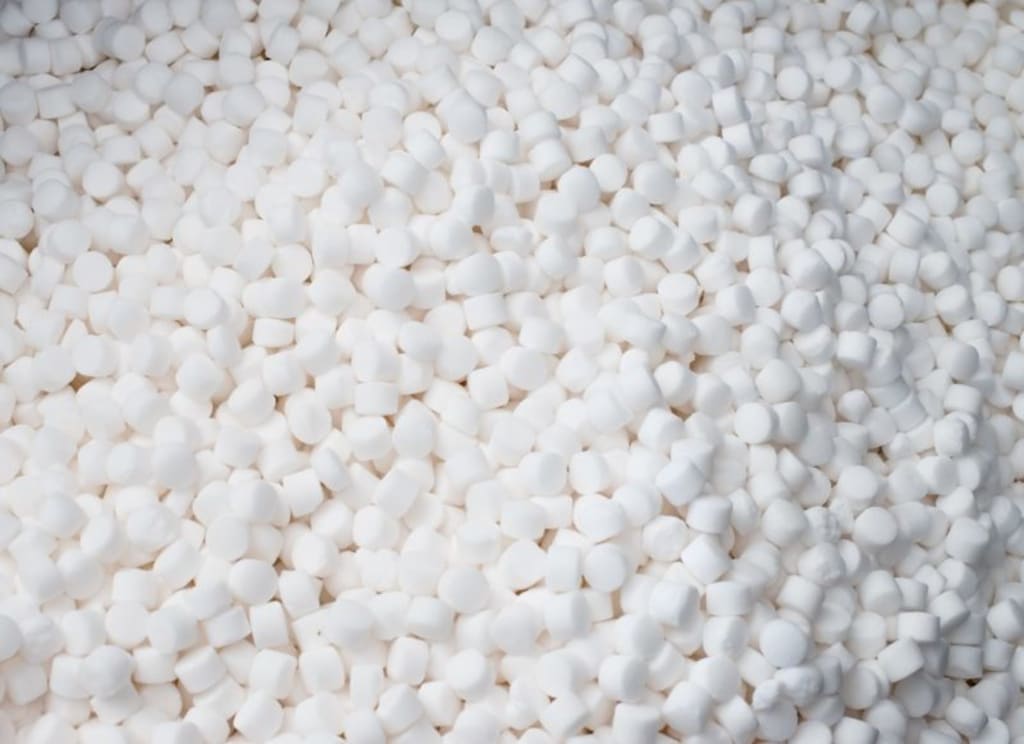
Water softener salt comes in different forms—pellets, crystals, and blocks—but pellets are generally preferred because they dissolve more slowly and evenly. Bagged pellet salt offers consistency in granule size, which helps ensure uniform brine concentration and efficient resin regeneration.
Types of Bagged Salt for Water Softeners
Not all bagged salts are created equal. You can choose the best type for your needs if you are aware of the various types:
1. Evaporated Salt Pellets
This is the highest purity salt available—often 99.9% pure. It's produced by evaporating water from a salt solution and compressing the result into pellets. Ideal for all water softeners, evaporated salt offers minimal residue and excellent performance.
2. Solar Salt Crystals
Solar salt is harvested by evaporating seawater using sunlight. Compared to evaporated salt, it contains a few more impurities and is available for purchase as crystals or pellets. It's suitable for most systems but may require more frequent cleaning.
3. Rock Salt
This is the least refined form and contains the highest level of impurities. While it is cheaper, rock salt can lead to buildup in the brine tank, making it less efficient over time.
4. Potassium Chloride Pellets
An alternative to sodium-based salts, potassium chloride is beneficial for individuals on low-sodium diets and is more environmentally friendly. However, it costs more and is slightly less effective than sodium chloride.
How Bagged Salt Maximizes System Efficiency
Bagged salt improves your water softener's efficiency in several practical ways:
Reduced Maintenance Needs
Because of its purity and clean-burning properties, bagged salt helps prevent brine tank clogging, bridging, and sludge formation. This means fewer cleanouts and longer periods of uninterrupted service.
Enhanced Resin Regeneration
With high-quality bagged salt, the ion exchange process is more effective. This results in more thorough regeneration of the resin beads, which in turn softens water more effectively and uses less salt per cycle.
Cost Savings
Although higher-purity salt may have a slightly higher upfront cost, it reduces overall salt consumption, system wear-and-tear, and maintenance frequency. This means long-term savings.
Improved Appliance Performance
Efficient softening reduces scale buildup in water heaters, dishwashers, washing machines, and plumbing. This prolongs appliance life, lowers energy expenses, and improves cleaning effectiveness.
Best Practices for Using Bagged Salt in Your Softener
To get the most out of your bagged salt product, consider the following best practices:
- Check Salt Levels Regularly – Inspect your brine tank every 4 to 6 weeks and refill as needed to ensure consistent performance.
- Avoid Mixing Salt Types – Mixing different types of salt can lead to clumping or inconsistent regeneration.
- Store Salt Properly – Store bags in a dry, cool location. Moisture may lead to contamination or clumping.
- Clean the Brine Tank Annually – Even with high-purity salt, it's advisable to clean your tank annually to remove any residual buildup.
- Use a Salt Level Monitor – Many modern water softeners come equipped with monitors that alert you when the salt level is low. Use these tools to prevent running out of fuel.
Final Thoughts
Using high-quality bagged salt in your water softener system is not just a matter of convenience—it's a critical factor in the overall efficiency, longevity, and performance of the system. With the right bagged salt product, you'll enjoy cleaner dishes, softer skin and hair, longer-lasting appliances, and reduced maintenance headaches.
Whether you opt for evaporated pellets, solar crystals, or potassium chloride, always choose a trusted brand and stick to consistent salt maintenance practices. In the long run, your water softener—and everything it supports—will thank you.
About the Creator
Daniel
Canada Salt is a trusted and reliable bulk road salt suppliers in Ontario catering to a wide range of industries.
Visit : https://canadasalt.ca/
Enjoyed the story? Support the Creator.
Subscribe for free to receive all their stories in your feed.
Comments
There are no comments for this story
Be the first to respond and start the conversation.