
How Allied Universal Edge Trains Security Teams for Real-World Threats
Learn how allied universal edge trains security professionals through practical scenarios, cybersecurity awareness, and continuous learning to prepare teams for real-world physical and digital threats.

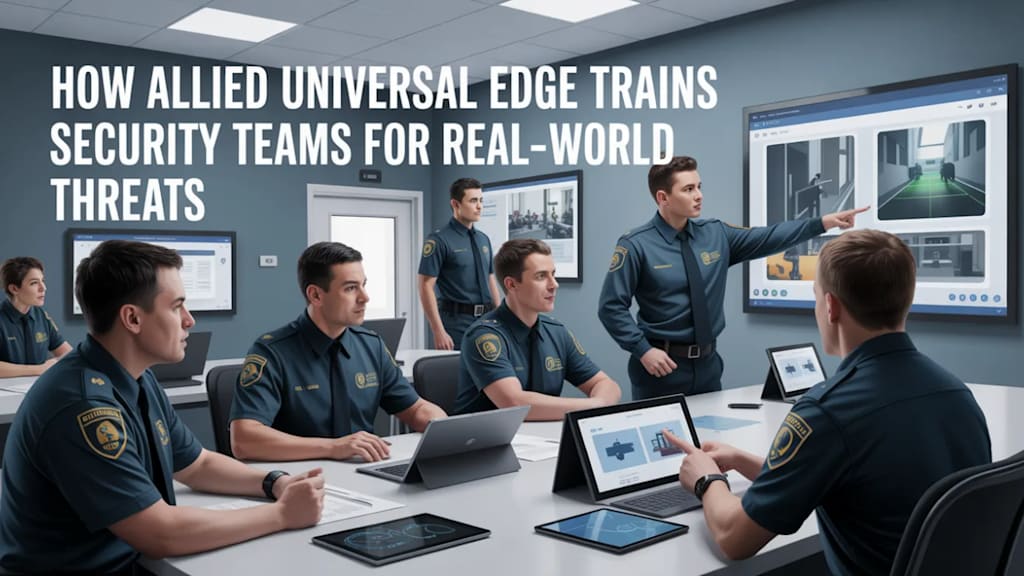
Security is no longer a simple job. Modern organizations face risks from multiple directions at the same time. Some threats are physical and visible. Others are digital and silent. Increasingly, both are connected.
This shift has changed what security teams need to learn. Basic instructions and routine training are no longer enough. Professionals must understand how threats behave in real environments and how to respond under pressure.
This is where allied universal edge becomes relevant. It is a structured training and development system designed to prepare security professionals for real-world situations. The focus is not just on theory but on practical readiness, awareness, and continuous skill development.
Why Modern Security Training Has Become Essential
Today’s organizations depend heavily on uninterrupted operations. Data centers store sensitive information and support critical services. Even a short disruption can lead to financial loss and reputational damage.
At the same time, threats are becoming more complex. Cyber attacks often happen without warning. Physical intrusions can occur within seconds. Human error continues to be one of the biggest vulnerabilities.
Without proper training, security personnel may fail to recognize early warning signs. They may hesitate in critical moments or respond in the wrong way. This makes structured training essential for maintaining strong protection systems.
How Allied Universal Edge Approaches Security Training
The main purpose of allied universal edge is to prepare security professionals for real operational challenges. It is not a monitoring tool or a security system. Instead, it focuses on the people responsible for protecting facilities and infrastructure.
The system is built around structured learning modules. These modules cover essential topics such as safety procedures, incident response, and risk identification. Each section is designed to strengthen a specific capability.
Another important element is scenario-based learning. Instead of only reading instructions, professionals are placed in realistic situations. These scenarios may involve unauthorized access attempts, suspicious activity, or system-related risks.
Cybersecurity awareness is also part of the training structure. Professionals learn how digital threats develop and how small mistakes such as weak passwords or phishing attempts can create serious vulnerabilities.
Together, these components create a balanced training system that connects knowledge with real-world application.
Preparing for Real-World Security Situations
One of the strongest aspects of allied universal edge is its focus on practical readiness. Many traditional programs remain theoretical, which limits their effectiveness in real environments.
Here, professionals are trained to think and act under realistic conditions. They learn how to observe their surroundings, identify unusual behavior, and respond without delay.
For example, instead of simply understanding what unauthorized access means, they are trained to recognize early indicators and respond appropriately. This practical exposure builds confidence and reduces hesitation during real incidents.
The Importance of Data Center Security
Data centers play a critical role in modern business operations. They store valuable data and ensure that digital systems continue to function smoothly. Because of their importance, they are frequent targets for both physical and cyber threats.
Professionals trained through allied universal edge gain a deeper understanding of how to protect these environments. They learn how access control systems work, how monitoring processes are managed, and how different types of threats can impact operations.
This combined understanding helps create a more reliable security structure where both physical and digital risks are considered together instead of separately.
Physical Security as the Foundation of Protection
Even in a digital world, physical security remains essential. Unauthorized access to a facility can lead to serious consequences such as data theft or equipment damage.
Through training, professionals learn how to manage entry points effectively. They understand surveillance systems, access control procedures, and behavioral indicators of potential threats.
They are also trained to respond to incidents in a controlled manner. This includes handling stressful situations and maintaining order when required. These skills help prevent small issues from turning into larger problems.
Strengthening Cybersecurity Awareness
Cybersecurity is no longer limited to IT departments. Security personnel at physical locations also play a role in identifying risks.
Allied universal edge introduces professionals to common cyber threats in a simplified and practical way. They learn how phishing attacks work, why credential security is important, and how suspicious system behavior can indicate a breach.
This awareness allows them to support overall security efforts more effectively, even without deep technical expertise.
Connecting Physical and Digital Risks
Modern security challenges often involve both physical and digital elements. A weakness in one area can affect the other.
For example, physical access to a restricted area can lead to system compromise. Similarly, a cyber attack can disable physical security systems.
Training helps professionals understand this connection. It encourages a more integrated approach where risks are not treated separately but as part of a connected system.
Continuous Learning and Adaptation
Security threats are constantly evolving. New methods of attack emerge regularly, and older techniques become outdated.
To stay effective, professionals must continuously update their knowledge. Allied universal edge supports this through ongoing training updates and scenario expansion.
This ensures that security teams remain aware of current risks and are not relying on outdated practices. Over time, this also builds a habit of continuous improvement and alertness.
Reducing Human Error in Security Operations
Many security incidents are caused by simple mistakes. These may include missed alerts, incorrect responses, or failure to follow procedures.
Training helps reduce these risks by reinforcing correct behavior through repetition and practice. Professionals learn the importance of following procedures carefully and consistently.
When individuals are trained in realistic environments, they are less likely to make critical errors in actual situations.
Improving Decision Making Under Pressure
Security professionals often work in high-pressure environments where decisions must be made quickly.
Scenario-based training helps develop this ability. It exposes individuals to situations where they must assess risks and choose actions without delay.
Over time, this improves judgment, reduces hesitation, and builds confidence. Professionals become more capable of handling real incidents effectively.
Supporting Business Continuity
Strong security systems are essential for maintaining business continuity. Disruptions can affect operations, customers, and long-term reputation.
Well-trained professionals help reduce these risks by identifying problems early and responding quickly. Allied universal edge contributes to this by preparing teams to handle different types of incidents efficiently.
This helps organizations maintain stability even in challenging situations.
Who Benefits From This Training System
The value of this training extends across multiple industries. Large corporations use it to strengthen their security teams. Organizations with data centers rely on it for operational protection.
Smaller businesses also benefit, especially those handling sensitive data or operating in regulated environments. Industries such as healthcare, education, and retail also depend on trained professionals to maintain safety and compliance.
Building a Proactive Security Mindset
One of the most important outcomes of this training approach is the development of a proactive mindset.
Instead of reacting after a problem occurs, professionals are trained to identify risks early. They learn to observe patterns, recognize anomalies, and act before issues escalate.
This shift from reactive to proactive security significantly improves overall protection.
The Future of Security Training
As technology continues to evolve, security challenges will become more advanced. Training systems must adapt to these changes by offering practical, flexible, and continuously updated learning environments.
Allied universal edge represents this direction. It combines real-world scenarios, structured learning, and continuous development to prepare professionals for modern risks.
Organizations that invest in such training are better positioned to handle future challenges with confidence and resilience.
Final Thoughts
Security today depends heavily on well-trained professionals. Tools and systems alone are not enough. Human awareness, decision making, and preparedness play a critical role.
Allied universal edge provides a structured approach to developing these skills. It prepares security teams for real-world threats by focusing on practical training, awareness, and continuous learning.
In a world where risks are constantly changing, this kind of preparation is not optional. It is essential for protecting people, data, and critical infrastructure.
About the Creator
Saif
Exploring different parts of life.
Enjoyed the story? Support the Creator.
Subscribe for free to receive all their stories in your feed.
Comments
There are no comments for this story
Be the first to respond and start the conversation.