
How AI is Personalizing Cosmetic Dentistry Treatments?
How AI tailors cosmetic dentistry with precision, enhancing smiles through digital design, diagnostics, and personalized patient care.
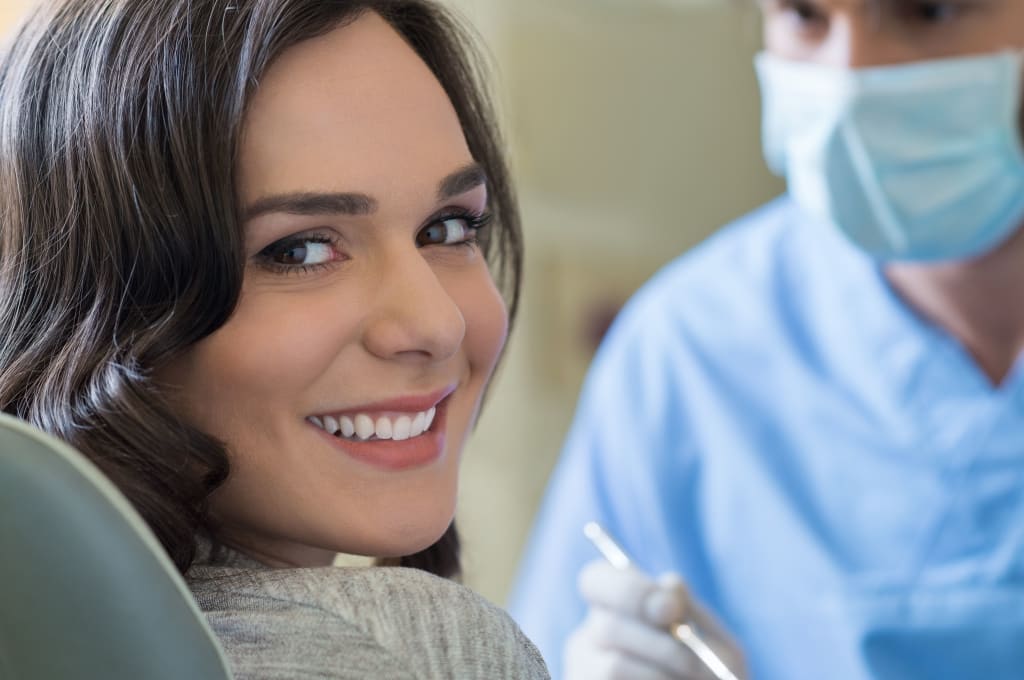
Imagine walking into a dental office and receiving a smile makeover tailored precisely to your unique features, preferences, and dental needs. Thanks to advancements in artificial intelligence (AI), this vision is becoming a reality. AI is transforming cosmetic dentistry by enabling highly personalized treatments that enhance patient outcomes and satisfaction. From digital smile design to predictive analytics, AI is reshaping how dentists craft beautiful, functional smiles. This blog explores how AI is personalizing Cosmetic Dentistry Treatments, diving into its applications, benefits, and what it means for patients seeking their dream smile.
The Role of AI in Cosmetic Dentistry
Cosmetic dentistry focuses on improving the appearance of teeth, gums, and overall smiles through procedures like veneers, teeth whitening, and orthodontics. AI enhances these processes by analyzing vast amounts of data to deliver customized solutions. Unlike traditional methods that rely heavily on manual assessments, AI leverages machine learning, image recognition, and predictive modeling to provide precise, patient-specific recommendations. This technology ensures treatments align with individual facial aesthetics, dental health, and lifestyle preferences.
For instance, AI-powered tools can analyze a patient’s facial structure, skin tone, and lip shape to suggest the ideal tooth shade or alignment. These tools process thousands of data points—far beyond human capability—ensuring a natural, harmonious result. Additionally, AI streamlines workflows, allowing dentists to focus on patient care while reducing the margin for error.
Digital Smile Design: Crafting Your Perfect Smile
One of the most exciting applications of AI in cosmetic dentistry is digital smile design (DSD). DSD software uses AI to create a virtual preview of a patient’s smile makeover before treatment begins. By uploading photos or 3D scans of a patient’s face and teeth, the software analyzes proportions, symmetry, and aesthetics to design a smile that complements their unique features.
For example, a patient considering veneers can see a digital mock-up of their new smile, complete with customized tooth shapes and sizes. AI ensures the design adheres to principles of facial harmony, such as the golden ratio, while accounting for functional aspects like bite alignment. This personalized approach boosts confidence, as patients can visualize the outcome and provide input before any procedure starts.
DSD also improves communication between dentists and patients. By presenting a clear, visual plan, dentists can align expectations and make adjustments based on patient feedback, ensuring a collaborative process that prioritizes satisfaction.
AI-Powered Diagnostics and Treatment Planning
AI’s ability to analyze dental imaging, such as X-rays, intraoral scans, and CBCT (cone-beam computed tomography), is revolutionizing diagnostics. Machine learning algorithms detect subtle patterns in these images, identifying issues like enamel wear, micro-fractures, or gum irregularities that might be missed by the human eye. This precision allows for early intervention, which is critical in cosmetic procedures where aesthetics and functionality must coexist.
In treatment planning, AI creates tailored strategies by cross-referencing patient data with global dental databases. For instance, an AI system might recommend specific orthodontic adjustments based on a patient’s jaw structure, age, and desired outcome, predicting how teeth will shift over time. This predictive capability minimizes trial-and-error, reducing treatment duration and costs.
Moreover, AI considers patient-specific factors, such as lifestyle or medical history. A smoker seeking teeth whitening, for example, might receive a customized plan that includes stain-resistant coatings or maintenance tips to prolong results. This level of personalization ensures treatments are both effective and sustainable.
Enhancing Patient Experience with AI
Beyond technical applications, AI improves the overall patient experience. Chatbots powered by AI provide instant answers to common questions about procedures, recovery, or costs, making information accessible 24/7. These tools also assist with appointment scheduling and follow-up reminders, enhancing convenience.
AI-driven virtual consultations are another game-changer. Patients can upload images or videos of their teeth, and AI systems analyze them to provide preliminary assessments. This is particularly valuable for those hesitant to visit a dentist or living in remote areas. By offering insights upfront, AI builds trust and encourages patients to take the next step toward treatment.
Additionally, AI personalizes post-treatment care. Smart apps monitor healing progress by analyzing photos submitted by patients, alerting dentists to potential complications like inflammation. These apps also deliver customized oral hygiene tips, ensuring long-term success of cosmetic procedures.
The Benefits of AI-Personalized Cosmetic Dentistry
The integration of AI into cosmetic dentistry offers numerous advantages:
- Precision and Accuracy: AI’s data-driven approach ensures treatments are tailored to individual anatomy and aesthetic goals, reducing errors and enhancing outcomes.
- Time Efficiency: Automated diagnostics and streamlined planning shorten treatment timelines, allowing patients to achieve results faster.
- Cost-Effectiveness: By minimizing revisions and optimizing procedures, AI can lower overall costs, making cosmetic dentistry more accessible.
- Enhanced Confidence: Visual previews and personalized plans empower patients to make informed decisions, boosting satisfaction.
- Sustainability: AI considers long-term factors, such as material durability or maintenance needs, ensuring lasting results.
These benefits align with patient expectations for high-quality, efficient, and transparent care, making AI a cornerstone of modern cosmetic dentistry.
Addressing Concerns and Ethical Considerations
While AI offers transformative potential, it’s natural for patients to have concerns. Some worry about over-reliance on technology or data privacy. Reputable dental practices address these by using AI as a tool to augment, not replace, human expertise. Dentists remain integral to interpreting AI insights and making final decisions, ensuring a human touch in every treatment.
Data privacy is another priority. Practices employing AI adhere to strict regulations, such as HIPAA in the United States, to protect patient information. Encrypted systems and secure cloud storage safeguard data, giving patients peace of mind.
Ethically, AI must be used transparently. Dentists should explain how AI contributes to their treatment plan, fostering trust and ensuring patients feel in control. By balancing technology with empathy, practices uphold the highest standards of care.
The Future of AI in Cosmetic Dentistry
The future of AI in cosmetic dentistry is bright, with ongoing innovations poised to further personalize treatments. Emerging technologies, such as AI-driven 3D printing, are enabling the creation of custom dental restorations, like crowns or aligners, with unprecedented precision. These advancements promise faster production and better fit, enhancing both aesthetics and comfort.
AI is also paving the way for minimally invasive procedures. By predicting how teeth respond to treatments like whitening or reshaping, AI helps dentists choose conservative approaches that preserve natural tooth structure. This aligns with patient demand for natural-looking, health-focused solutions.
Additionally, AI’s integration with augmented reality (AR) could allow patients to “try on” their new smile in real-time using AR glasses or smartphone apps. This immersive experience would further personalize the decision-making process, making cosmetic dentistry even more patient-centric.
Choosing an AI-Enhanced Cosmetic Dentist
For patients interested in AI-personalized cosmetic dentistry, selecting the right provider is key. Look for practices with a proven track record in integrating AI technologies, such as digital smile design or AI diagnostics. Credentials, such as affiliations with organizations like the American Academy of Cosmetic Dentistry, signal expertise and commitment to quality.
Patient reviews are another valuable resource. Seek testimonials that highlight personalized care, clear communication, and successful outcomes. A consultation can also provide insight into how a practice uses AI to tailor treatments, ensuring alignment with your goals.
Finally, prioritize comfort and trust. A dentist who combines AI’s precision with a compassionate approach will deliver the best experience, helping you achieve a smile that’s uniquely yours.
A Smile as Unique as You Are
AI is ushering in a new era of cosmetic dentistry, where treatments are as individual as the patients themselves. By harnessing data, predictive analytics, and digital tools, AI creates smiles that are not only beautiful but also functional and sustainable. Whether you’re considering a subtle enhancement or a dramatic transformation, AI ensures your journey is personalized, efficient, and empowering. As technology continues to evolve, the possibilities for crafting your perfect smile are limitless—making now an exciting time to explore cosmetic dentistry.
About the Creator
Family Dentistry of Forest Hill
Family Dentistry of Forest Hill – Your trusted dentist in West Palm Beach offering gentle, personalized care for all ages. From cleanings to cosmetic treatments, we keep smiles healthy in a warm, modern office.
Enjoyed the story? Support the Creator.
Subscribe for free to receive all their stories in your feed.
Comments
There are no comments for this story
Be the first to respond and start the conversation.