
How AEPS API is Driving Financial Inclusion in India
AEPS API
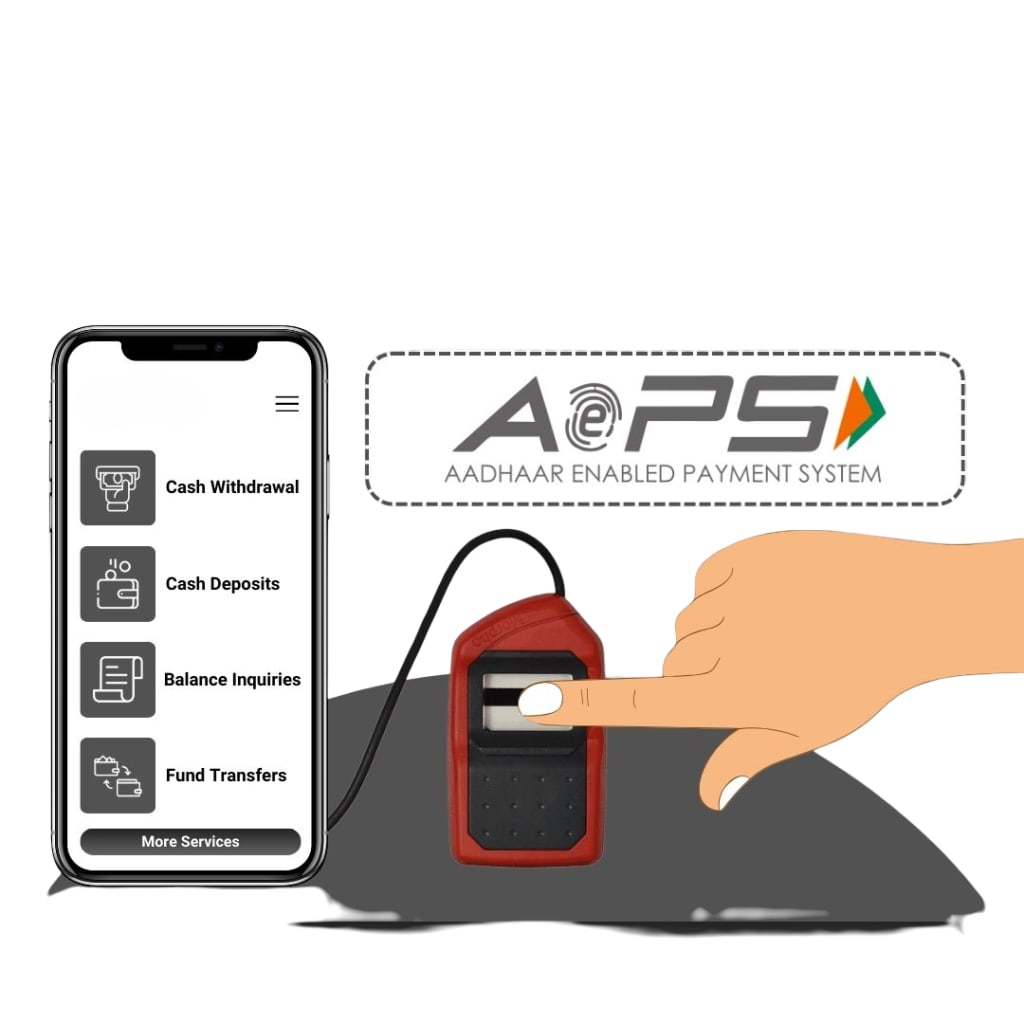
In recent years, financial inclusion has become a major focus in India, especially for rural and semi-urban areas. Many people in these regions still lack access to traditional banking services. This is where an AEPS API provider plays a crucial role in connecting banks, businesses, and customers through a secure and seamless system. AEPS (Aadhaar Enabled Payment System) allows banking transactions using an Aadhaar number and biometric authentication, and AEPS API makes it possible to integrate this service into digital platforms, enabling more people to access essential financial services right in their own communities.
What is AEPS API and How It Works
AEPS API is a software interface that connects applications and retail platforms directly to the Aadhaar-enabled payment network managed by the National Payments Corporation of India (NPCI). It allows service providers such as fintech companies, banking agents, and retailers to offer Aadhaar-based transactions including:
Cash withdrawal
Balance inquiry
Mini statement
Fund transfers
The process is simple: a customer visits an agent, shares their Aadhaar number, selects the banking service, and provides fingerprint authentication. The AEPS API then securely communicates with the bank’s systems and processes the transaction instantly.
The Role of AEPS API in Financial Inclusion
Financial inclusion means ensuring that individuals and businesses have access to affordable and useful financial services. AEPS API is a key driver in this mission for several reasons:
Bringing Banking to Remote Areas – Many rural villages have no bank branches, but with AEPS API, local shop owners can offer basic banking services.
Reducing Travel and Costs – People no longer need to travel long distances for simple transactions like withdrawing cash or checking balances.
Boosting Government Benefit Access – Subsidies, pensions, and other welfare benefits can be withdrawn easily through AEPS-enabled retailers.
Promoting Digital Literacy – As more people use AEPS services, they become familiar with secure, technology-driven financial transactions.
Benefits for Retailers and Agents
For small businesses and retailers, integrating AEPS API into their services opens new revenue opportunities. Key advantages include:
Commission Earnings – Retailers earn a commission on every transaction they process.
Increased Footfall – Offering AEPS services attracts more customers, which can also boost sales of other products.
Additional Services Integration – AEPS API can be combined with mobile recharge, bill payment, ticket booking, and insurance sales.
AEPS API and Security Compliance
Security is one of the strongest features of AEPS API. Since transactions are verified using biometric authentication, the risk of fraud is greatly reduced. The API uses encrypted communication to protect sensitive data and complies with all NPCI guidelines for safe financial operations.
AEPS API Beyond Basic Banking
While AEPS API is primarily used for banking transactions, it also has potential for integration with other digital financial services:
Mobile Recharge and Bill Payments through BBPS (Bharat Bill Payment System)
Domestic Money Transfer (DMT) for sending funds across India
Micro ATM Services for card-based withdrawals and deposits
Insurance and Loan Application Assistance for rural customers
These combined services turn a small retail shop into a full-service digital banking point for the community.
The Impact on Rural and Semi-Urban Economies
AEPS API has a direct and positive impact on local economies:
Faster Transactions mean quicker access to cash for emergencies or daily needs.
Local Cash Availability reduces dependency on city-based banking.
Increased Financial Activity in rural areas supports small businesses and improves overall economic health.
By empowering retailers to act as mini-banks, AEPS API also supports employment growth and entrepreneurship in smaller towns and villages.
The Future of AEPS API in India
With the rise of digital adoption and government-led financial inclusion programs, AEPS API usage will continue to grow. Potential developments include:
Offline AEPS Services for areas with poor internet connectivity
Integration with Digital Wallets for smoother payments
Expansion into International Remittance for overseas fund transfers directly to Aadhaar-linked accounts
As fintech innovation continues, AEPS API will remain central to bridging the gap between banks and underserved communities.
Conclusion
AEPS API has transformed the way financial services reach rural and semi-urban India. By enabling biometric, Aadhaar-based transactions through local agents and retailers, it has brought banking to the doorsteps of millions who previously had limited access. For fintech businesses, becoming an AEPS API provider offers both commercial potential and the chance to contribute to nationwide financial inclusion.
In the long term, integrating AEPS API with other services like mobile recharge, bill payment, micro ATM, and domestic money transfer will further expand its impact. Businesses that invest in this technology now will be well-positioned to lead in the future of rural banking.
By working with trusted technology partners and expanding service offerings—including api for aeps, aeps api cost, recharge api, recharge api provider, aeps software, mobile recharge software, AEPS Portal provider, AEPS B2B Software, AEPS Admin Software, Aadhaar Enabled Payment System Software, AEPS Solution provider, AEPS Banking Software, AEPS Software for Agents, AEPS API Software, AEPS API, AEPS API Provider, AEPS API solution, AEPS Software development company, and AEPS Software development—entrepreneurs and retailers can become the backbone of India’s growing digital economy.
About the Creator
Enjoyed the story? Support the Creator.
Subscribe for free to receive all their stories in your feed.
Comments
There are no comments for this story
Be the first to respond and start the conversation.